



Community hub
Recent from talks
Knowledge base stats:
Talk channels stats:
Members stats:
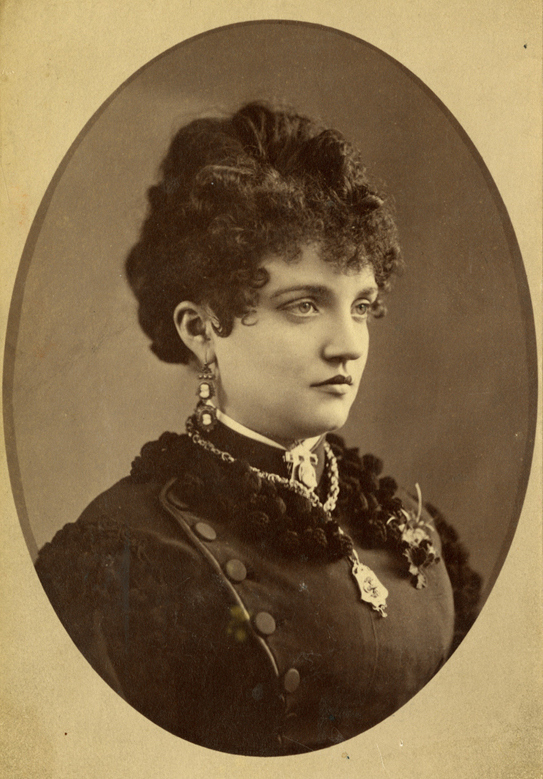
Baby Doe Tabor
Elizabeth McCourt Tabor (September 1854 – March 7, 1935), better known as Baby Doe, was the second wife of Colorado pioneer businessman Horace Tabor. Her rags-to-riches and back to rags again story made her a well-known figure in her own day, and inspired an opera and a Hollywood movie based on her life.
Born in Oshkosh, Wisconsin to Peter McCourt, she moved to Colorado in the mid-1870s with her first husband, Harvey Doe, whom she divorced for drinking, gambling, frequenting brothels, and being unable to provide a living.
She then moved to Leadville, Colorado, where she met Horace Tabor, a wealthy silver magnate almost twice her age. In 1883, he divorced his first wife, Augusta Tabor, to whom he had been married for 25 years, and married Baby Doe in Washington, D.C., during his brief stint as a US senator. They then took up residence in Denver. His divorce and remarriage to the young and beautiful Baby Doe caused a scandal in 1880s Colorado. Although Tabor was one of the wealthiest men in Colorado, and supported his wife in a lavish style, he lost his fortune when the repeal of the Sherman Silver Purchase Act caused the Panic of 1893, resulting in widespread bankruptcies in silver-producing regions such as Colorado. He died destitute, and Baby Doe returned to Leadville with her two daughters, living out the rest of her life there.
Once known as the "best dressed woman in the West," she lived in poverty and solitude for the last three decades of her life in a shack on the site of the Matchless Mine. She was found frozen in her cabin, aged about 81 years, after a snowstorm in March 1935. During her lifetime she was the subject of malicious gossip and scandal, defied Victorian gender values, and gained a reputation as "one of the most beautiful, flamboyant, and alluring women in the mining West." Her story inspired the opera The Ballad of Baby Doe.
Elizabeth Bonduel McCourt was born in September 1854 in Oshkosh, Wisconsin, to Irish-Catholic immigrants Elizabeth Anderson Neilis and Peter McCourt. She later claimed to have been born in 1860 but appears on the 1860 Oshkosh census at 6 years of age. Born in September, according to the 1900 census, she appears to have been christened on October 7, 1854, at St. Peter's Catholic Church. Called Lizzie as a child, the fourth of eleven children, she grew up in a middle-class family in a two-story house. Her father was a partner in a local clothing store and owner of Oshkosh's first theater, McCourt Hall. Her mother fostered in her beautiful daughter the belief that her looks were of great worth, excusing her from domestic chores so as to preserve her skin and allowing her to dream of a future as an actress. Concerned by his wife's indulgence in their young and striking daughter, Peter McCourt thought it prudent to put her to work at the clothing store, where she was often in the company of fashionable young men. At age 16, she was a "fashionably plump" blond-haired young woman with a hectic social schedule.
Oshkosh was a frontier lumber town, filled with mills. When fires raged through Oshkosh in 1874 and again in 1875, the McCourts lost their home, the clothing store, and the theater. They mortgaged their property to rebuild the home and the business, but this put Peter McCourt deeply in debt. The family was forced to live on what amounted to little more than a clerk's salary.
In 1876, Lizzie McCourt met William Harvey Doe Jr., who was a Protestant. She enchanted him when, as the only woman competitor, she entered and won a skating competition, while at the same time scandalizing many of the townspeople by wearing a costume that showed glimpses of her legs. Lizzy and Harvey were married on June 27, 1877 at St. Peter's Catholic Church in Oshkosh, to the dissatisfaction of his parents. They then traveled with Harvey's father to Colorado to look after his mining investments, most importantly his half-ownership of the Fourth of July Mine in Central City. After a two-week honeymoon in Denver's American House, the newlyweds joined the elder Doe in the mining town in the mountains. Lizzie found Colorado enchanting. There she may have gained the nickname "Baby Doe".
In Central City, she quickly found that her husband's reserved temperament was unsuitable for a boisterous frontier mining town, and that he was unable either to manage a mine on his own or to follow his father's instructions on how to do so. Rather than see him fail, and enchanted with the possibility of becoming wealthy from mining gold, she helped her husband. She often dressed in mining clothes and worked directly in the mine. Despite a somewhat relaxed culture in the frontier mining town, those in the highest strata of the city's society considered her behavior and dress scandalous, causing her to be ignored. Through both their efforts, the Does did manage to bring up a small amount of gold, but when the vein ran out and a poorly constructed shaft collapsed, Harvey gave up and decided to take a job as a common mucker at another mine. He told his wife to stop wearing men's clothing and stay at home.
Hub AI
Baby Doe Tabor AI simulator
(@Baby Doe Tabor_simulator)
Baby Doe Tabor
Elizabeth McCourt Tabor (September 1854 – March 7, 1935), better known as Baby Doe, was the second wife of Colorado pioneer businessman Horace Tabor. Her rags-to-riches and back to rags again story made her a well-known figure in her own day, and inspired an opera and a Hollywood movie based on her life.
Born in Oshkosh, Wisconsin to Peter McCourt, she moved to Colorado in the mid-1870s with her first husband, Harvey Doe, whom she divorced for drinking, gambling, frequenting brothels, and being unable to provide a living.
She then moved to Leadville, Colorado, where she met Horace Tabor, a wealthy silver magnate almost twice her age. In 1883, he divorced his first wife, Augusta Tabor, to whom he had been married for 25 years, and married Baby Doe in Washington, D.C., during his brief stint as a US senator. They then took up residence in Denver. His divorce and remarriage to the young and beautiful Baby Doe caused a scandal in 1880s Colorado. Although Tabor was one of the wealthiest men in Colorado, and supported his wife in a lavish style, he lost his fortune when the repeal of the Sherman Silver Purchase Act caused the Panic of 1893, resulting in widespread bankruptcies in silver-producing regions such as Colorado. He died destitute, and Baby Doe returned to Leadville with her two daughters, living out the rest of her life there.
Once known as the "best dressed woman in the West," she lived in poverty and solitude for the last three decades of her life in a shack on the site of the Matchless Mine. She was found frozen in her cabin, aged about 81 years, after a snowstorm in March 1935. During her lifetime she was the subject of malicious gossip and scandal, defied Victorian gender values, and gained a reputation as "one of the most beautiful, flamboyant, and alluring women in the mining West." Her story inspired the opera The Ballad of Baby Doe.
Elizabeth Bonduel McCourt was born in September 1854 in Oshkosh, Wisconsin, to Irish-Catholic immigrants Elizabeth Anderson Neilis and Peter McCourt. She later claimed to have been born in 1860 but appears on the 1860 Oshkosh census at 6 years of age. Born in September, according to the 1900 census, she appears to have been christened on October 7, 1854, at St. Peter's Catholic Church. Called Lizzie as a child, the fourth of eleven children, she grew up in a middle-class family in a two-story house. Her father was a partner in a local clothing store and owner of Oshkosh's first theater, McCourt Hall. Her mother fostered in her beautiful daughter the belief that her looks were of great worth, excusing her from domestic chores so as to preserve her skin and allowing her to dream of a future as an actress. Concerned by his wife's indulgence in their young and striking daughter, Peter McCourt thought it prudent to put her to work at the clothing store, where she was often in the company of fashionable young men. At age 16, she was a "fashionably plump" blond-haired young woman with a hectic social schedule.
Oshkosh was a frontier lumber town, filled with mills. When fires raged through Oshkosh in 1874 and again in 1875, the McCourts lost their home, the clothing store, and the theater. They mortgaged their property to rebuild the home and the business, but this put Peter McCourt deeply in debt. The family was forced to live on what amounted to little more than a clerk's salary.
In 1876, Lizzie McCourt met William Harvey Doe Jr., who was a Protestant. She enchanted him when, as the only woman competitor, she entered and won a skating competition, while at the same time scandalizing many of the townspeople by wearing a costume that showed glimpses of her legs. Lizzy and Harvey were married on June 27, 1877 at St. Peter's Catholic Church in Oshkosh, to the dissatisfaction of his parents. They then traveled with Harvey's father to Colorado to look after his mining investments, most importantly his half-ownership of the Fourth of July Mine in Central City. After a two-week honeymoon in Denver's American House, the newlyweds joined the elder Doe in the mining town in the mountains. Lizzie found Colorado enchanting. There she may have gained the nickname "Baby Doe".
In Central City, she quickly found that her husband's reserved temperament was unsuitable for a boisterous frontier mining town, and that he was unable either to manage a mine on his own or to follow his father's instructions on how to do so. Rather than see him fail, and enchanted with the possibility of becoming wealthy from mining gold, she helped her husband. She often dressed in mining clothes and worked directly in the mine. Despite a somewhat relaxed culture in the frontier mining town, those in the highest strata of the city's society considered her behavior and dress scandalous, causing her to be ignored. Through both their efforts, the Does did manage to bring up a small amount of gold, but when the vein ran out and a poorly constructed shaft collapsed, Harvey gave up and decided to take a job as a common mucker at another mine. He told his wife to stop wearing men's clothing and stay at home.