



Community hub
Recent from talks
Knowledge base stats:
Talk channels stats:
Members stats:
Balthus
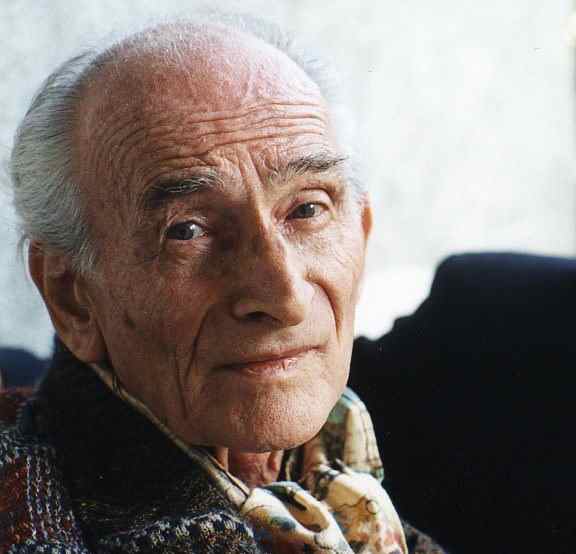
Balthasar Klossowski de Rola (February 29, 1908 – February 18, 2001), known as Balthus, was a Polish-French modern artist. He is known for his erotically charged images of young girls, but also for the refined, dreamlike quality of his imagery.
Throughout his career, Balthus rejected the usual conventions of the art world. He insisted that his paintings should be seen and not read about, and he resisted attempts to build a biographical profile. Nevertheless, towards the end of his life he took part in a series of dialogues with the neurobiologist Semir Zeki, conducted at his chalet at Rossinière, Switzerland and at the Palazzo Farnese (French Embassy) in Rome. They were published in 1995 under the title La Quête de l'essentiel, and in them he gives some of his views on art, painting and some other painters.
Balthus was born in Paris, in 1908, to Prussian expatriate parents. His given name was Balthasar Klossowski – his sobriquet "Balthus" was based on his childhood nickname, alternately spelled Baltus, Baltusz, Balthusz or Balthus.
His father, Erich Klossowski, was an art historian who wrote a noted monograph on Honoré Daumier. Erich grew up in the town of Ragnit in East Prussia, now part of Russia but then in the German Empire. Unlike his brother or parents, Balthus claimed that he belonged to the former Polish petty nobility (the drobna szlachta) and his family bore the Rola coat of arms. Balthus later fancifully elaborated on his family background, using the surname "Klossowski de Rola," and adding the term "count" to this title, which no one in his family's documented history had ever done. Balthus even had the Rola arms embroidered onto many of his kimono, in the style of a Japanese kamon.[citation needed]
Balthus's mother Elisabeth Dorothée Spiro Klossowska (known as Baladine Klossowska) was descended from Lithuanian Jews who had emigrated to East Prussia. In the catalogue of the Metropolitan Museum of Art's 1984 Balthus exhibition, she was described as the daughter of a cantor from Korelitz in Novogrudok district in the Russian Empire. However, Balthus told his biographer Nicholas Fox Weber that this was erroneous, and that his mother came "apparently from a Protestant family in the south of France". But according to Weber, this was a confabulation on Balthus's part. In fact, Balthus would often embroider upon his story of his mother's ancestry, saying that she was also related to the Romanovs and the Narischkins, powerful aristocratic families of Russia. In another confabulatory twist, Weber reports that Baladine's lover, the poet Rainer Maria Rilke, had said that the Spiros were descended from one of the richest families of Sephardic Jews, that is that they were of Spanish, not Eastern European origin. Weber doubted this story too, since Balthus's son Fumio, born in the late 1960s, had Tay–Sachs disease, a genetic disorder commonly associated with Eastern European Jews.
Balthus's older brother Pierre Klossowski (1905–2001) became a noted writer and philosopher.
The Klossowski children grew up in an art-world environment, with frequent visits to their household by famous artists and writers, including Rilke, André Gide (who mentored Pierre), and Jean Cocteau (who would depict the family in scenes of his 1929 novel Les Enfants Terribles). The artists Maurice Denis and Pierre Bonnard were also visitors. The children had a Scottish nanny, and Balthus would later say that his first language was English, although his parents spoke German to one another.
Overall, Balthus had an idyllic memory of these early childhood years, which were disrupted when, shortly after the First World War began in 1914, the family were forced to leave Paris in order to avoid deportation due to their German citizenship. They settled first in Switzerland, later in Berlin.
Hub AI
Balthus AI simulator
(@Balthus_simulator)
Balthus
Balthasar Klossowski de Rola (February 29, 1908 – February 18, 2001), known as Balthus, was a Polish-French modern artist. He is known for his erotically charged images of young girls, but also for the refined, dreamlike quality of his imagery.
Throughout his career, Balthus rejected the usual conventions of the art world. He insisted that his paintings should be seen and not read about, and he resisted attempts to build a biographical profile. Nevertheless, towards the end of his life he took part in a series of dialogues with the neurobiologist Semir Zeki, conducted at his chalet at Rossinière, Switzerland and at the Palazzo Farnese (French Embassy) in Rome. They were published in 1995 under the title La Quête de l'essentiel, and in them he gives some of his views on art, painting and some other painters.
Balthus was born in Paris, in 1908, to Prussian expatriate parents. His given name was Balthasar Klossowski – his sobriquet "Balthus" was based on his childhood nickname, alternately spelled Baltus, Baltusz, Balthusz or Balthus.
His father, Erich Klossowski, was an art historian who wrote a noted monograph on Honoré Daumier. Erich grew up in the town of Ragnit in East Prussia, now part of Russia but then in the German Empire. Unlike his brother or parents, Balthus claimed that he belonged to the former Polish petty nobility (the drobna szlachta) and his family bore the Rola coat of arms. Balthus later fancifully elaborated on his family background, using the surname "Klossowski de Rola," and adding the term "count" to this title, which no one in his family's documented history had ever done. Balthus even had the Rola arms embroidered onto many of his kimono, in the style of a Japanese kamon.[citation needed]
Balthus's mother Elisabeth Dorothée Spiro Klossowska (known as Baladine Klossowska) was descended from Lithuanian Jews who had emigrated to East Prussia. In the catalogue of the Metropolitan Museum of Art's 1984 Balthus exhibition, she was described as the daughter of a cantor from Korelitz in Novogrudok district in the Russian Empire. However, Balthus told his biographer Nicholas Fox Weber that this was erroneous, and that his mother came "apparently from a Protestant family in the south of France". But according to Weber, this was a confabulation on Balthus's part. In fact, Balthus would often embroider upon his story of his mother's ancestry, saying that she was also related to the Romanovs and the Narischkins, powerful aristocratic families of Russia. In another confabulatory twist, Weber reports that Baladine's lover, the poet Rainer Maria Rilke, had said that the Spiros were descended from one of the richest families of Sephardic Jews, that is that they were of Spanish, not Eastern European origin. Weber doubted this story too, since Balthus's son Fumio, born in the late 1960s, had Tay–Sachs disease, a genetic disorder commonly associated with Eastern European Jews.
Balthus's older brother Pierre Klossowski (1905–2001) became a noted writer and philosopher.
The Klossowski children grew up in an art-world environment, with frequent visits to their household by famous artists and writers, including Rilke, André Gide (who mentored Pierre), and Jean Cocteau (who would depict the family in scenes of his 1929 novel Les Enfants Terribles). The artists Maurice Denis and Pierre Bonnard were also visitors. The children had a Scottish nanny, and Balthus would later say that his first language was English, although his parents spoke German to one another.
Overall, Balthus had an idyllic memory of these early childhood years, which were disrupted when, shortly after the First World War began in 1914, the family were forced to leave Paris in order to avoid deportation due to their German citizenship. They settled first in Switzerland, later in Berlin.