
Recent from talks
Battle of Changsha (1941)
Knowledge base stats:
Talk channels stats:
Members stats:
Battle of Changsha (1941)
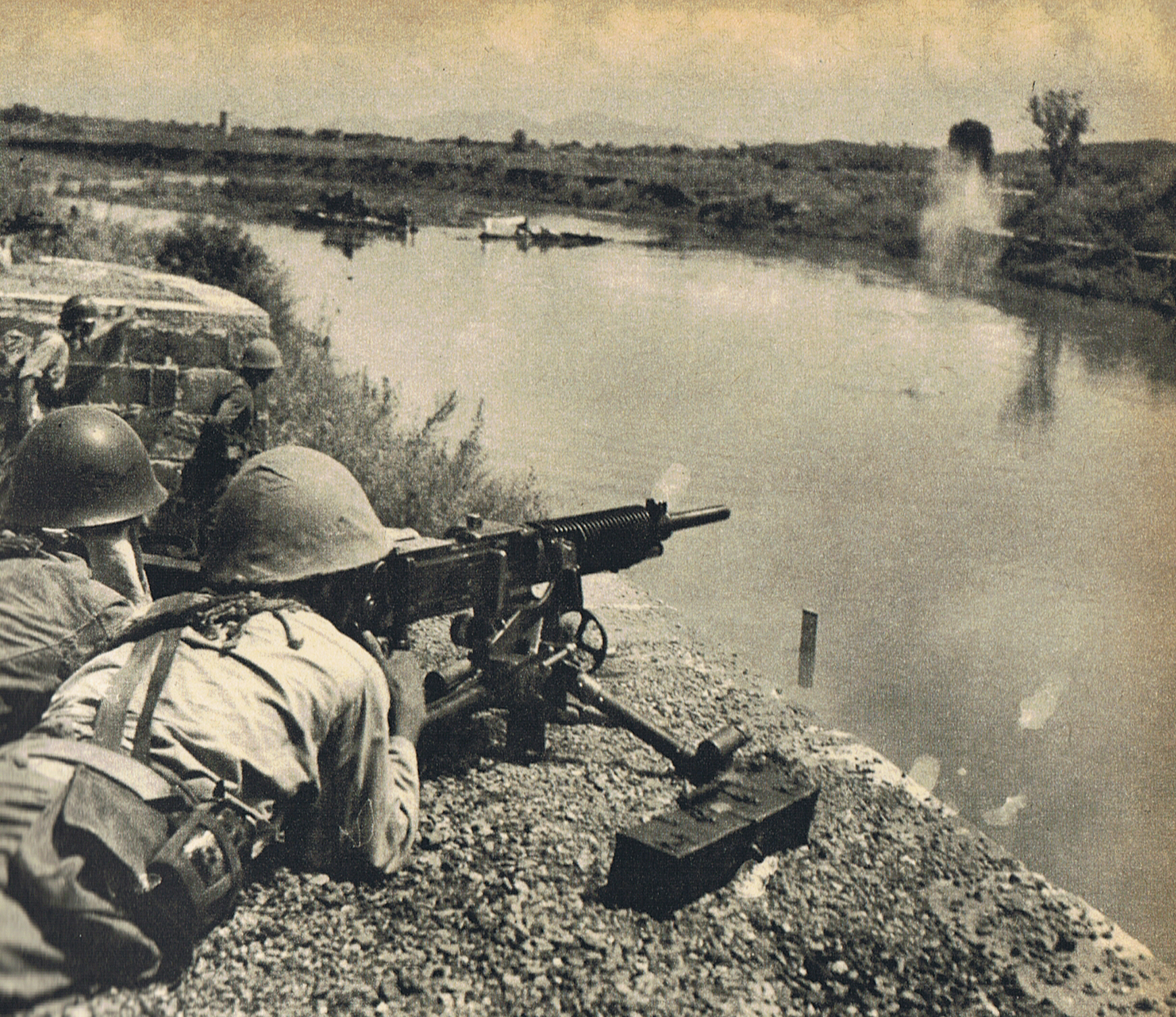
The (Second) Battle of Changsha (6 September – 8 October 1941; Chinese: 第二次長沙會戰) was Japan's second attempt at taking the city of Changsha, China, the capital of Hunan Province, as part of the Second Sino-Japanese War.
On December 2, 1940, the US congress passed a bill to provide a 100-million-dollar loan to China. On December 10, Britain also approved a 10-million-pound loan to China. Such a move was in response to the Japan's signing of the Tripartite Pact and moves to recognize Wang Jingwei's puppet government. In response, the Japanese army planned to resolve the 'China Incident' as soon as possible. On January 16, 1941, the Japanese army adopted the "Long-term Operational Guidance Plan for China", where they would not ease pressure but launched aggressive operations in the summer and autumn of 1941 while taking note of international situation and clearing occupied areas.
In April 1941, Lieutenant General Korechika Anami took over position as the commander of the 11th army and began preparation for the Changsha operation. While they were working on plans for the offensive, Operation Barbarossa started on June 22, 1941, which disrupted the preparation of the operation as the China Expeditionary Army was considering redeploying units of the 11th army in preparation for war with the Soviet Union. Nevertheless, Lieutenant General Anami approved the outline for the operational guidance of the Changsha Operation on June 24, planning to launch an offensive on September 15.
The objective of the operation was to "deal a major blow to the Ninth Military Front in order to thwart the enemy's plan for resistance." Japanese military leaders emphasized at every opportunity that the objective was not to "occupy the area" or "obtain supplies". The Japanese army judged that the enemy facing them totaled fifteen divisions from the 4th, 37th, 99th, 74th, and 26th corps. Assuming that two infantry battalions were enough to fight against one enemy division but to prepare for a possible increase in enemy numbers, the Japanese army put forty-one infantry battalions in four divisions and three task forces and twenty-nine artillery battalions into the operation.
The Chinese army was well aware of the Kwantung Army's build-up in Northeast China in case of a war with the Soviet Union after the German invasion. They detected General Anami gathering four divisions totalling 120,000 troops for an invasion in Hunan. Since the battle of Shanggao in March 1941, the Ninth Military Front had ordered its troops to cooperate with the guerillas in the Hunan-Hubei-Jiangxi border region to harass the enemy and prepare for an offensive. Thirty-five divisions in thirteen armies in three army groups totalling 378,307 troops were gathered in Hunan, with the headquarters of the Ninth Military Front centered in Changsha. In August 1941, the Ninth Military Front judged that the enemy planned to capture Changsha and obtain supplies. The Chinese army planned to lure the Japanese army to the south of Miluo river and annihilate them there.
On September 7, the Japanese 6th division launched a mopping-up operation at Dayun Mountain (大雲山) with air support from the east, west, and north. The Yanling (雁嶺) and Jianshan (尖山) positions fell on the same day and the defending 177th regiment of the 59th division and 306th regiment of the 102nd division of the 4th corps and the 1st battalion of the 33rd regiment of the new 11th division of the 58th corps of the 27th army group were trapped in a desperate battle. On the same day, Yang Sen, commander of the 27th army group, ordered the new 10th division and new 11th division of the 58th corps to assist the Dayun Mountain defenders. On the 8th, the two divisions advanced towards Dayun Mountain followed by the 60th division of the 37th corps. For the next two days, the two sides fought fiercely for the mountain. On the 10th of September, the Shigematsu task force of the 40th division arrived to replace the 6th division at Dayun Mountain. The 6th division mistakenly reported that the Dayun Mountain had been cleared off enemy troops to the task force. Thus, the task force was unprepared for the assault by the 59th, 60th, and new 10th divisions. The task force struggled under the counterattack of the three divisions, and the Chinese army recaptured the peak of Dayun Mountain. At the same time, a portion of the 4th corps also skirmished with the Japanese 3rd and 6th divisions. After hearing about the unexpected battle encountered by the 40th division, the 11th army's headquarters ordered the Araki task force of the 33rd division to reinforce the division while the army prepared for an offensive on September 18. On the way, the Araki task force encountered fierce resistance from the new 11th division but was able to reach its position on the 18th. The 40th division was also preparing for an offensive on the 18th. From September 14 until September 17, the division continued fighting fiercely against the Chinese new 10th division, but after a week of fighting the engaged units of the Japanese division had suffered losses exceeding half. Seeing the build-up of the Japanese army north of Xinqiang River (新牆河), the Ninth Military Front ordered the 27th army group to withdraw from Dayun Mountain, which they gradually did on September 17 and 18. The Chinese army suffered more than 3,000 casualties in the battle.
On September 18, the Japanese army launched their offensive. The 6th division forced a crossing at the Xinqiang River, breaking through the position of the 4th corps at the south bank of the river and causing the corps to retreat to the mountains east of Guanwang Bridge (關王橋). Soon, the whole 11th army was crossing the river. After hearing about the news, Yang Sen ordered the 133rd and 134th divisions of the 20th corps and the 58th corps to block the enemy near Yanglin street (楊林街). On September 19, in the area east of the south bank of the Xinqiang river, the 40th division encountered fierce resistance from the 59th and 90th divisions of the 4th corps and fought all day long with heavy losses on both sides.
On September 19, the 3rd, 4th, and 6th divisions arrived at the north bank of the Miluo River. The 95th and 140th divisions of the 37th corps and the 92nd and 99th divisions of the 99th corps had been ordered to the south bank of the Miluo River on the 18th but before they had finished their deployment, the three Japanese divisions were already crossing the river and attacking the two corps. From the 19th until the 24th of September, the two sides fought fiercely at the south bank and the Chinese positions were breached one after another. By the 25th, the two corps had to retreat. At the same time, the Japanese 6th division moved eastward along the Miluo River and clashed with the 44th division of the 26th corps. The corps immediately sent the 32nd and 41st divisions to assist, but the 32nd division was intercepted by the Japanese 3rd division and retreated southward. The 6th division quickly broke through the right and left flank of the 26th corps and encircled the unit on the 23rd of September. On the 25th, the corps was ordered to break out and the remnants retreated to Genggutai (更鼓台) and Shiwan (石灣).
Hub AI
Battle of Changsha (1941) AI simulator
(@Battle of Changsha (1941)_simulator)
Battle of Changsha (1941)
The (Second) Battle of Changsha (6 September – 8 October 1941; Chinese: 第二次長沙會戰) was Japan's second attempt at taking the city of Changsha, China, the capital of Hunan Province, as part of the Second Sino-Japanese War.
On December 2, 1940, the US congress passed a bill to provide a 100-million-dollar loan to China. On December 10, Britain also approved a 10-million-pound loan to China. Such a move was in response to the Japan's signing of the Tripartite Pact and moves to recognize Wang Jingwei's puppet government. In response, the Japanese army planned to resolve the 'China Incident' as soon as possible. On January 16, 1941, the Japanese army adopted the "Long-term Operational Guidance Plan for China", where they would not ease pressure but launched aggressive operations in the summer and autumn of 1941 while taking note of international situation and clearing occupied areas.
In April 1941, Lieutenant General Korechika Anami took over position as the commander of the 11th army and began preparation for the Changsha operation. While they were working on plans for the offensive, Operation Barbarossa started on June 22, 1941, which disrupted the preparation of the operation as the China Expeditionary Army was considering redeploying units of the 11th army in preparation for war with the Soviet Union. Nevertheless, Lieutenant General Anami approved the outline for the operational guidance of the Changsha Operation on June 24, planning to launch an offensive on September 15.
The objective of the operation was to "deal a major blow to the Ninth Military Front in order to thwart the enemy's plan for resistance." Japanese military leaders emphasized at every opportunity that the objective was not to "occupy the area" or "obtain supplies". The Japanese army judged that the enemy facing them totaled fifteen divisions from the 4th, 37th, 99th, 74th, and 26th corps. Assuming that two infantry battalions were enough to fight against one enemy division but to prepare for a possible increase in enemy numbers, the Japanese army put forty-one infantry battalions in four divisions and three task forces and twenty-nine artillery battalions into the operation.
The Chinese army was well aware of the Kwantung Army's build-up in Northeast China in case of a war with the Soviet Union after the German invasion. They detected General Anami gathering four divisions totalling 120,000 troops for an invasion in Hunan. Since the battle of Shanggao in March 1941, the Ninth Military Front had ordered its troops to cooperate with the guerillas in the Hunan-Hubei-Jiangxi border region to harass the enemy and prepare for an offensive. Thirty-five divisions in thirteen armies in three army groups totalling 378,307 troops were gathered in Hunan, with the headquarters of the Ninth Military Front centered in Changsha. In August 1941, the Ninth Military Front judged that the enemy planned to capture Changsha and obtain supplies. The Chinese army planned to lure the Japanese army to the south of Miluo river and annihilate them there.
On September 7, the Japanese 6th division launched a mopping-up operation at Dayun Mountain (大雲山) with air support from the east, west, and north. The Yanling (雁嶺) and Jianshan (尖山) positions fell on the same day and the defending 177th regiment of the 59th division and 306th regiment of the 102nd division of the 4th corps and the 1st battalion of the 33rd regiment of the new 11th division of the 58th corps of the 27th army group were trapped in a desperate battle. On the same day, Yang Sen, commander of the 27th army group, ordered the new 10th division and new 11th division of the 58th corps to assist the Dayun Mountain defenders. On the 8th, the two divisions advanced towards Dayun Mountain followed by the 60th division of the 37th corps. For the next two days, the two sides fought fiercely for the mountain. On the 10th of September, the Shigematsu task force of the 40th division arrived to replace the 6th division at Dayun Mountain. The 6th division mistakenly reported that the Dayun Mountain had been cleared off enemy troops to the task force. Thus, the task force was unprepared for the assault by the 59th, 60th, and new 10th divisions. The task force struggled under the counterattack of the three divisions, and the Chinese army recaptured the peak of Dayun Mountain. At the same time, a portion of the 4th corps also skirmished with the Japanese 3rd and 6th divisions. After hearing about the unexpected battle encountered by the 40th division, the 11th army's headquarters ordered the Araki task force of the 33rd division to reinforce the division while the army prepared for an offensive on September 18. On the way, the Araki task force encountered fierce resistance from the new 11th division but was able to reach its position on the 18th. The 40th division was also preparing for an offensive on the 18th. From September 14 until September 17, the division continued fighting fiercely against the Chinese new 10th division, but after a week of fighting the engaged units of the Japanese division had suffered losses exceeding half. Seeing the build-up of the Japanese army north of Xinqiang River (新牆河), the Ninth Military Front ordered the 27th army group to withdraw from Dayun Mountain, which they gradually did on September 17 and 18. The Chinese army suffered more than 3,000 casualties in the battle.
On September 18, the Japanese army launched their offensive. The 6th division forced a crossing at the Xinqiang River, breaking through the position of the 4th corps at the south bank of the river and causing the corps to retreat to the mountains east of Guanwang Bridge (關王橋). Soon, the whole 11th army was crossing the river. After hearing about the news, Yang Sen ordered the 133rd and 134th divisions of the 20th corps and the 58th corps to block the enemy near Yanglin street (楊林街). On September 19, in the area east of the south bank of the Xinqiang river, the 40th division encountered fierce resistance from the 59th and 90th divisions of the 4th corps and fought all day long with heavy losses on both sides.
On September 19, the 3rd, 4th, and 6th divisions arrived at the north bank of the Miluo River. The 95th and 140th divisions of the 37th corps and the 92nd and 99th divisions of the 99th corps had been ordered to the south bank of the Miluo River on the 18th but before they had finished their deployment, the three Japanese divisions were already crossing the river and attacking the two corps. From the 19th until the 24th of September, the two sides fought fiercely at the south bank and the Chinese positions were breached one after another. By the 25th, the two corps had to retreat. At the same time, the Japanese 6th division moved eastward along the Miluo River and clashed with the 44th division of the 26th corps. The corps immediately sent the 32nd and 41st divisions to assist, but the 32nd division was intercepted by the Japanese 3rd division and retreated southward. The 6th division quickly broke through the right and left flank of the 26th corps and encircled the unit on the 23rd of September. On the 25th, the corps was ordered to break out and the remnants retreated to Genggutai (更鼓台) and Shiwan (石灣).
Recent media