



Community hub
Recent from talks
Knowledge base stats:
Talk channels stats:
Members stats:
Bikini waxing
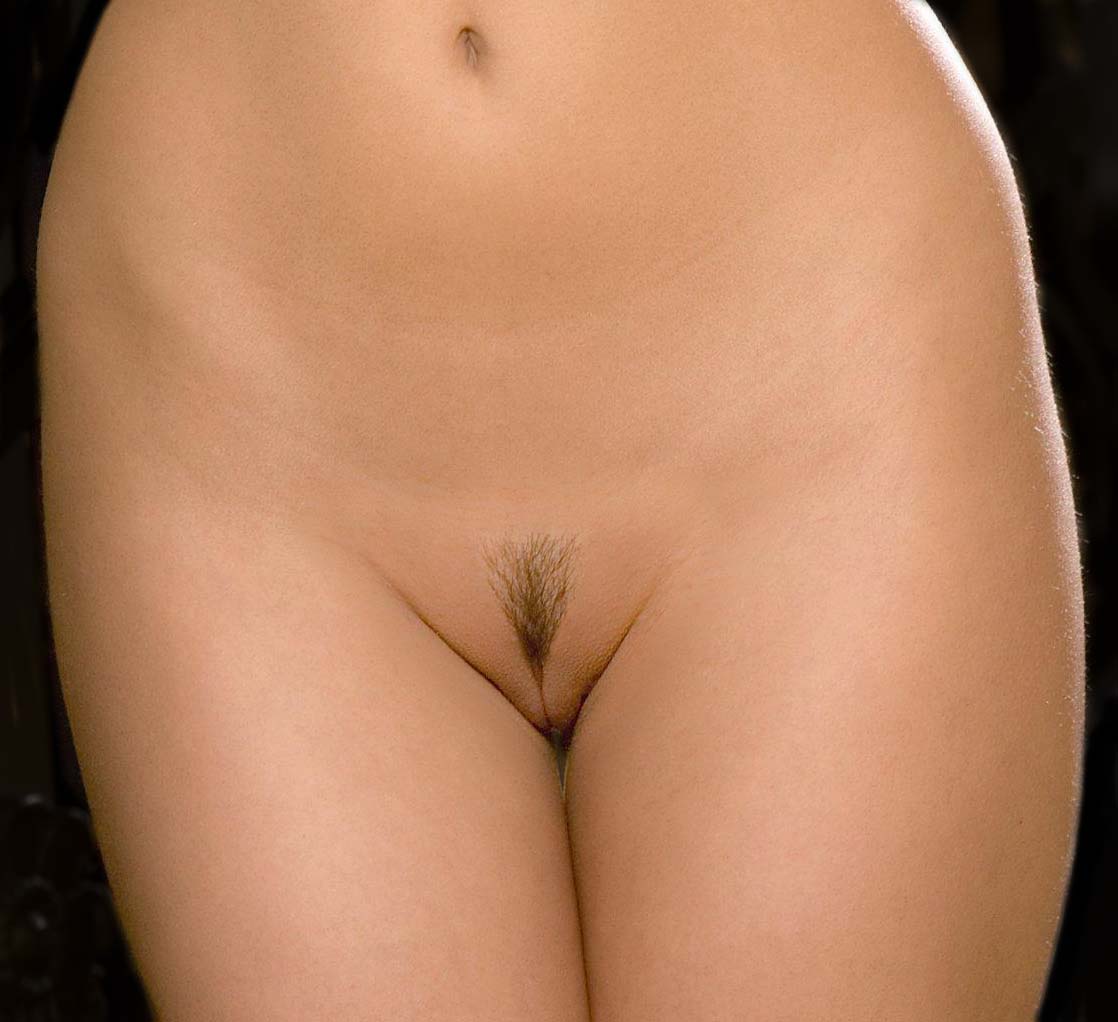
Bikini waxing is the removal of pubic hair using a special wax, which can be hot or cold, that adheres to hairs and pulls them out when the wax is removed quickly from the skin, usually with a cloth strip. While the practice is mainly associated with women, male waxing to remove men's pubic hair has become a more common practice.
A bikini line is the area of the upper leg and inner thigh in which pubic hair grows that is normally not covered by the bottom part of a swimsuit. In some cultures, visible pubic hair in this region is disliked and/or considered embarrassing and so it is sometimes removed. However, some people remove pubic hair that will not be exposed for aesthetics, personal grooming, hygiene, culture, religion, fashion and for sexual intercourse.
Pubic hair can be removed in a number of ways, such as waxing, shaving, sugaring, electrolysis, laser hair removal or with chemical depilatory creams. Waxing involves applying melted, usually hot, wax to the pubic hair that an individual would like to remove. The wax, which adheres to the hair as it hardens, is then covered with small strips of cloth. When the wax hardens sufficiently, the cloth is pulled off quickly, removing the hair from its roots as the wax is pulled away. Waxing can be performed on oneself privately using a home kit or by a cosmetologist at a salon or spa.
If a person has never been waxed before, or has not been waxed for a long time, it may be necessary to trim the pubic hair using scissors or an electric razor prior to waxing. A patch test is recommended, usually on the upper thigh, to test for allergies or skin sensitivities to the ingredients in the wax. Sometimes a hair growth inhibitor is applied after waxing, which slows the regrowth of hair if applied daily for an extended period of time.
It is common to apply an antiseptic cleaner and powder to the area prior to waxing. Wax is applied with a spatula in the direction of hair growth the size of a strip about 2 inches (5.1 cm) wide and 4 inches (10 cm) long. When the wax is set but still pliable, the wax strips are pulled away against the direction of hair growth while keeping the skin taut. The strip is ideally pulled off as swiftly as possible.
The pubic area is one of the most sensitive areas in the body and during the procedure special attention must be paid to avoid irritation.[citation needed] Pain directly resulting from the procedure can be slight or severe and can continue from several seconds to several minutes. Some people experience less pain during subsequent treatments. It can be helpful to take a mild anti-inflammatory medication (such as ibuprofen) an hour or so before waxing to reduce potential pain from the waxing. Products such as topical anesthetics are available to lessen the pain involved. A bikini wax during pregnancy is generally more painful, due to increased sensitivity. The type of wax used for bikini lines is often made from a mixture of beeswax and tall oil rather than the more common synthetic waxes used for waxing regular leg hair. Beeswax is considered stronger and more effective at removing the thicker and coarser pubic hair.
Sometimes bumps or in-grown hair can result from waxing. Isolated hairs can be removed with tweezers or electrolysis. Discomfort following the procedure generally lasts two to five days or less. Application of egg oil for a few days post-waxing can help moisturize the skin and reduce inflammation, pain or growth of bacteria. With repeated removal over time, pubic hair becomes weaker and grows more slowly, leading to easier removal with less pain and less frequent waxing.
Some people modify their pubic hair either to fit in with societal trends or simply as an expression of their own style or lifestyle, while others object to any styling or do not practice it because of cost considerations.
Hub AI
Bikini waxing AI simulator
(@Bikini waxing_simulator)
Bikini waxing
Bikini waxing is the removal of pubic hair using a special wax, which can be hot or cold, that adheres to hairs and pulls them out when the wax is removed quickly from the skin, usually with a cloth strip. While the practice is mainly associated with women, male waxing to remove men's pubic hair has become a more common practice.
A bikini line is the area of the upper leg and inner thigh in which pubic hair grows that is normally not covered by the bottom part of a swimsuit. In some cultures, visible pubic hair in this region is disliked and/or considered embarrassing and so it is sometimes removed. However, some people remove pubic hair that will not be exposed for aesthetics, personal grooming, hygiene, culture, religion, fashion and for sexual intercourse.
Pubic hair can be removed in a number of ways, such as waxing, shaving, sugaring, electrolysis, laser hair removal or with chemical depilatory creams. Waxing involves applying melted, usually hot, wax to the pubic hair that an individual would like to remove. The wax, which adheres to the hair as it hardens, is then covered with small strips of cloth. When the wax hardens sufficiently, the cloth is pulled off quickly, removing the hair from its roots as the wax is pulled away. Waxing can be performed on oneself privately using a home kit or by a cosmetologist at a salon or spa.
If a person has never been waxed before, or has not been waxed for a long time, it may be necessary to trim the pubic hair using scissors or an electric razor prior to waxing. A patch test is recommended, usually on the upper thigh, to test for allergies or skin sensitivities to the ingredients in the wax. Sometimes a hair growth inhibitor is applied after waxing, which slows the regrowth of hair if applied daily for an extended period of time.
It is common to apply an antiseptic cleaner and powder to the area prior to waxing. Wax is applied with a spatula in the direction of hair growth the size of a strip about 2 inches (5.1 cm) wide and 4 inches (10 cm) long. When the wax is set but still pliable, the wax strips are pulled away against the direction of hair growth while keeping the skin taut. The strip is ideally pulled off as swiftly as possible.
The pubic area is one of the most sensitive areas in the body and during the procedure special attention must be paid to avoid irritation.[citation needed] Pain directly resulting from the procedure can be slight or severe and can continue from several seconds to several minutes. Some people experience less pain during subsequent treatments. It can be helpful to take a mild anti-inflammatory medication (such as ibuprofen) an hour or so before waxing to reduce potential pain from the waxing. Products such as topical anesthetics are available to lessen the pain involved. A bikini wax during pregnancy is generally more painful, due to increased sensitivity. The type of wax used for bikini lines is often made from a mixture of beeswax and tall oil rather than the more common synthetic waxes used for waxing regular leg hair. Beeswax is considered stronger and more effective at removing the thicker and coarser pubic hair.
Sometimes bumps or in-grown hair can result from waxing. Isolated hairs can be removed with tweezers or electrolysis. Discomfort following the procedure generally lasts two to five days or less. Application of egg oil for a few days post-waxing can help moisturize the skin and reduce inflammation, pain or growth of bacteria. With repeated removal over time, pubic hair becomes weaker and grows more slowly, leading to easier removal with less pain and less frequent waxing.
Some people modify their pubic hair either to fit in with societal trends or simply as an expression of their own style or lifestyle, while others object to any styling or do not practice it because of cost considerations.