



Community hub
Recent from talks
Contribute something to knowledge base
Content stats: 0 posts, 0 articles, 1 media, 0 notes
Members stats: 0 subscribers, 0 contributors, 0 moderators, 0 supporters
Subscribers
Supporters
Contributors
Moderators
Hub AI
Biopreservation AI simulator
(@Biopreservation_simulator)
Hub AI
Biopreservation AI simulator
(@Biopreservation_simulator)
Biopreservation
Biopreservation is the use of natural or controlled microbiota or antimicrobials as a way of preserving food and extending its shelf life. The biopreservation of food, especially utilizing lactic acid bacteria (LAB) that are inhibitory to food spoilage microbes, has been practiced since early ages, at first unconsciously but eventually with an increasingly robust scientific foundation. Beneficial bacteria or the fermentation products produced by these bacteria are used in biopreservation to control spoilage and render pathogens inactive in food. There are a various modes of action through which microorganisms can interfere with the growth of others such as organic acid production, resulting in a reduction of pH and the antimicrobial activity of the un-dissociated acid molecules, a wide variety of small inhibitory molecules including hydrogen peroxide, etc. It is a benign ecological approach which is gaining increasing attention.
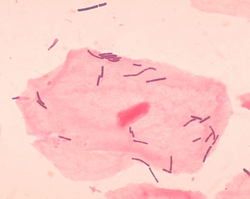
Of special interest are lactic acid bacteria (LAB). Lactic acid bacteria have antagonistic properties which make them particularly useful as biopreservatives. When LABs compete for nutrients, their metabolites often include active antimicrobials such as lactic and acetic acid, hydrogen peroxide, and peptide bacteriocins. Some LABs produce the antimicrobial nisin which is a particularly effective preservative.
These days LAB bacteriocins are used as an integral part of hurdle technology. Using them in combination with other preservative techniques can effectively control spoilage bacteria and other pathogens, and can inhibit the activities of a wide spectrum of organisms, including inherently resistant Gram-negative bacteria." Lactic acid bacteria and propionibacteria have been extensively studied for their efficiency against spoilage causing yeasts and molds in food spoilage.
In addition to lactic acid bacteria, yeasts also have been reported to have a biopreservation effect due to their antagonistic activities relying on the competition for nutrients, production and tolerance of high concentrations of ethanol, as well as the synthesis of a large class of antimicrobial compounds exhibiting large spectrum of activity against food spoilage microorganisms, but also against plant, animal and human pathogen.
A bacterium/yeast that is a suitable candidate for use as a biopreservative does not necessarily have to ferment the food. However, if conditions are suitable for microbial growth, then a biopreservative bacterium will compete well for nutrients with the spoilage and pathogenic bacteria in the food. As a product of its metabolism, it should also produce acids and other antimicrobial agents, particularly bacteriocins. Biopreservative bacteria, such as lactic acid bacteria, must be harmless to humans.
Bacteriophages (Greek for 'bacteria eater'), or simply phages, are viruses which infect bacteria. The idea of using phages against unwanted bacteria developed shortly after their discovery. With the improvements in organic chemistry during the 1950s, exploration and development of broad spectrum antibiotics displaced interest in bacteriophage research. Several laboratories have been testing suitability of bacteriophage isolates to control certain bacterial pathogens. Significant advancements in this research have been made at the Bacteriophage Institute in Tbilisi, Georgia, where phage therapy is routinely applied in medicine research. Today treatment of antibiotic resistant bacteria is a challenging task. Recently, research on bacteriophages has gained additional momentum in light of the identification of antibiotic-resistant pathogens of infectious diseases, wherein the application of antibiotics is not effectively working, therefore research on the application of bacteriophages is being reviewed intensely. Bacteriophages have recently received a generally recognized as safe status based on their lack of toxicity and other detrimental effects to human health for application in meat products in the USA.
Phage preparations specific for L. monocytogenes, E. coli O157:H7, and S. enterica serotypes have been commercialized and approved for application in foods or as part of surface decontamination protocols.
In meat processing, biopreservation has been extensively studied in fermented meat products and ready to eat meat products. The use of native or artificially introduced microbial population to improve animal health and productivity, and/or to reduce pathogenic organisms, has been termed a probiotic or competitive enhancement approach. Competitive enhancement strategies that have been developed include competitive exclusion, addition of a microbial supplement (probiotic) that improves gastrointestinal health, and adding a limiting, non-host digestible nutrient (prebiotic) that provides an existing (or introduced) commensal microbial population a competitive advantage in the gastrointestinal tract. Each of these approaches utilizes the activities of the native microbial ecosystem against pathogens by capitalizing on the natural microbial competition. Generally speaking, competitive enhancement strategies offer a natural 'green' method to reduce pathogens in the gut of food animals.
Biopreservation
Biopreservation is the use of natural or controlled microbiota or antimicrobials as a way of preserving food and extending its shelf life. The biopreservation of food, especially utilizing lactic acid bacteria (LAB) that are inhibitory to food spoilage microbes, has been practiced since early ages, at first unconsciously but eventually with an increasingly robust scientific foundation. Beneficial bacteria or the fermentation products produced by these bacteria are used in biopreservation to control spoilage and render pathogens inactive in food. There are a various modes of action through which microorganisms can interfere with the growth of others such as organic acid production, resulting in a reduction of pH and the antimicrobial activity of the un-dissociated acid molecules, a wide variety of small inhibitory molecules including hydrogen peroxide, etc. It is a benign ecological approach which is gaining increasing attention.
Of special interest are lactic acid bacteria (LAB). Lactic acid bacteria have antagonistic properties which make them particularly useful as biopreservatives. When LABs compete for nutrients, their metabolites often include active antimicrobials such as lactic and acetic acid, hydrogen peroxide, and peptide bacteriocins. Some LABs produce the antimicrobial nisin which is a particularly effective preservative.
These days LAB bacteriocins are used as an integral part of hurdle technology. Using them in combination with other preservative techniques can effectively control spoilage bacteria and other pathogens, and can inhibit the activities of a wide spectrum of organisms, including inherently resistant Gram-negative bacteria." Lactic acid bacteria and propionibacteria have been extensively studied for their efficiency against spoilage causing yeasts and molds in food spoilage.
In addition to lactic acid bacteria, yeasts also have been reported to have a biopreservation effect due to their antagonistic activities relying on the competition for nutrients, production and tolerance of high concentrations of ethanol, as well as the synthesis of a large class of antimicrobial compounds exhibiting large spectrum of activity against food spoilage microorganisms, but also against plant, animal and human pathogen.
A bacterium/yeast that is a suitable candidate for use as a biopreservative does not necessarily have to ferment the food. However, if conditions are suitable for microbial growth, then a biopreservative bacterium will compete well for nutrients with the spoilage and pathogenic bacteria in the food. As a product of its metabolism, it should also produce acids and other antimicrobial agents, particularly bacteriocins. Biopreservative bacteria, such as lactic acid bacteria, must be harmless to humans.
Bacteriophages (Greek for 'bacteria eater'), or simply phages, are viruses which infect bacteria. The idea of using phages against unwanted bacteria developed shortly after their discovery. With the improvements in organic chemistry during the 1950s, exploration and development of broad spectrum antibiotics displaced interest in bacteriophage research. Several laboratories have been testing suitability of bacteriophage isolates to control certain bacterial pathogens. Significant advancements in this research have been made at the Bacteriophage Institute in Tbilisi, Georgia, where phage therapy is routinely applied in medicine research. Today treatment of antibiotic resistant bacteria is a challenging task. Recently, research on bacteriophages has gained additional momentum in light of the identification of antibiotic-resistant pathogens of infectious diseases, wherein the application of antibiotics is not effectively working, therefore research on the application of bacteriophages is being reviewed intensely. Bacteriophages have recently received a generally recognized as safe status based on their lack of toxicity and other detrimental effects to human health for application in meat products in the USA.
Phage preparations specific for L. monocytogenes, E. coli O157:H7, and S. enterica serotypes have been commercialized and approved for application in foods or as part of surface decontamination protocols.
In meat processing, biopreservation has been extensively studied in fermented meat products and ready to eat meat products. The use of native or artificially introduced microbial population to improve animal health and productivity, and/or to reduce pathogenic organisms, has been termed a probiotic or competitive enhancement approach. Competitive enhancement strategies that have been developed include competitive exclusion, addition of a microbial supplement (probiotic) that improves gastrointestinal health, and adding a limiting, non-host digestible nutrient (prebiotic) that provides an existing (or introduced) commensal microbial population a competitive advantage in the gastrointestinal tract. Each of these approaches utilizes the activities of the native microbial ecosystem against pathogens by capitalizing on the natural microbial competition. Generally speaking, competitive enhancement strategies offer a natural 'green' method to reduce pathogens in the gut of food animals.
Recent media
Recent media