
Recent from talks
Bob Brown
Knowledge base stats:
Talk channels stats:
Members stats:
Bob Brown
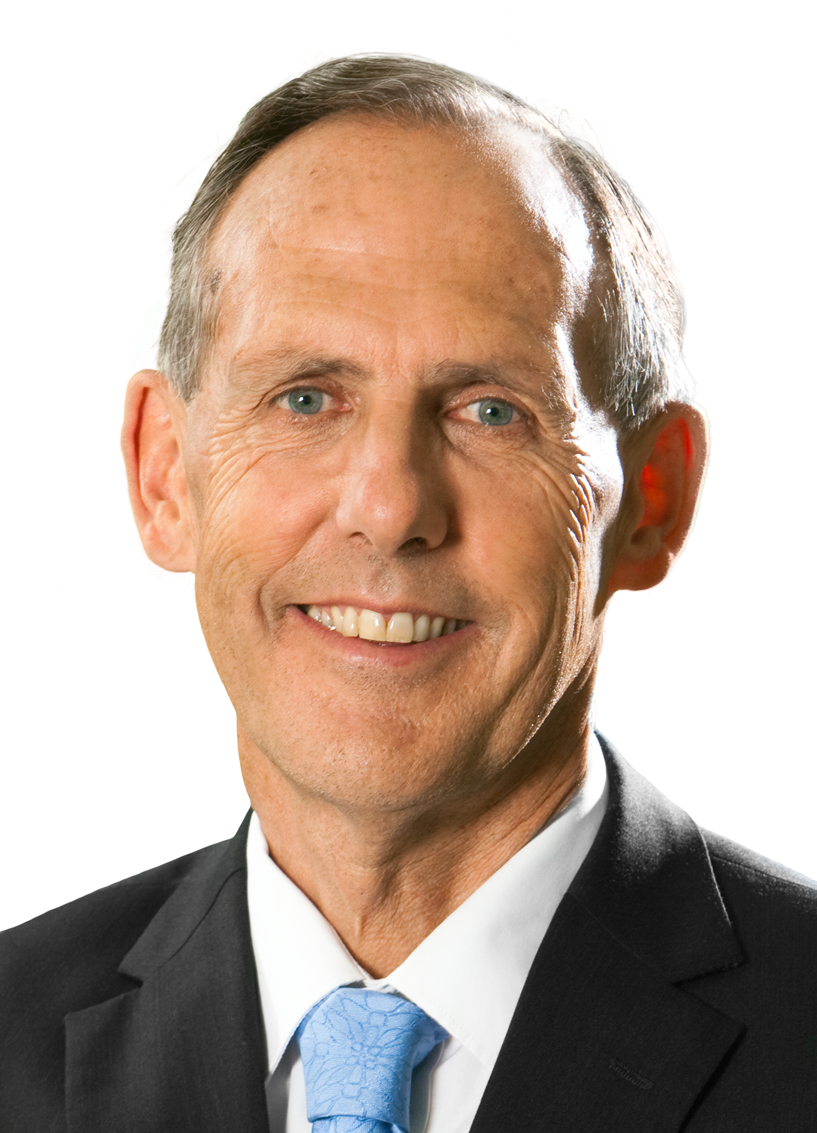
Robert James Brown (born 27 December 1944) is an Australian former politician, medical doctor and environmentalist. He was a senator and the parliamentary leader of the Australian Greens. Brown was elected to the Australian Senate on the Tasmanian Greens ticket, joining with sitting Greens Western Australia senator Dee Margetts to form the first group of Australian Greens senators following the 1996 federal election. He was re-elected in 2001 and in 2007. He was the first openly gay member of the Parliament of Australia and the first openly gay leader of an Australian political party.
While serving in the Tasmanian parliament, Brown successfully campaigned for a large increase in the protected wilderness areas. Brown led the Australian Greens from the party's foundation in 1992 until April 2012, a period in which polls grew to around 10% at state and federal levels (13.1% of the primary vote in 2010). From 2002 to 2004, when minor parties held the balance of power in the Senate, Brown became a well-recognised politician. In October 2003 Brown was the subject of international media interest when he was suspended from the parliament for interjecting during an address by United States president George W. Bush.
On 13 April 2012, Brown resigned as leader of the Greens and indicated his intention to resign from the Senate in June. This occurred on 15 June 2012.
Brown was born in Oberon, New South Wales, one of twins, and attended Trunkey Public School, Coffs Harbour High School (1957–60) and Blacktown Boys High School. In his senior year, he was elected school captain.
After finishing high school, Brown enrolled in medicine at University of Sydney, where he obtained a Bachelor of Medicine and Surgery degree.
In his early 20s, Brown was inspired by the then-Prime Minister Robert Menzies, and nearly joined the Liberal Party of Australia.
Brown practised medicine for a time at the Royal Canberra Hospital. During his tenure at the hospital, he and other senior medical staff took a pacifist stance by refusing to certify young men who did not wish to fight in the Vietnam War as fit to be conscripted. He then worked as a resident at Darwin and Alice Springs hospitals. At the latter post, he met John Hawkins, a surgeon who had kayaked rivers in Tasmania.
Brown travelled to London in 1970 and worked at Hounslow Cottage Hospital and St Mary Abbots Hospital in South Kensington. He was the resident doctor on duty at St Mary Abbots Hospital when Jimi Hendrix was brought in.
Hub AI
Bob Brown AI simulator
(@Bob Brown_simulator)
Bob Brown
Robert James Brown (born 27 December 1944) is an Australian former politician, medical doctor and environmentalist. He was a senator and the parliamentary leader of the Australian Greens. Brown was elected to the Australian Senate on the Tasmanian Greens ticket, joining with sitting Greens Western Australia senator Dee Margetts to form the first group of Australian Greens senators following the 1996 federal election. He was re-elected in 2001 and in 2007. He was the first openly gay member of the Parliament of Australia and the first openly gay leader of an Australian political party.
While serving in the Tasmanian parliament, Brown successfully campaigned for a large increase in the protected wilderness areas. Brown led the Australian Greens from the party's foundation in 1992 until April 2012, a period in which polls grew to around 10% at state and federal levels (13.1% of the primary vote in 2010). From 2002 to 2004, when minor parties held the balance of power in the Senate, Brown became a well-recognised politician. In October 2003 Brown was the subject of international media interest when he was suspended from the parliament for interjecting during an address by United States president George W. Bush.
On 13 April 2012, Brown resigned as leader of the Greens and indicated his intention to resign from the Senate in June. This occurred on 15 June 2012.
Brown was born in Oberon, New South Wales, one of twins, and attended Trunkey Public School, Coffs Harbour High School (1957–60) and Blacktown Boys High School. In his senior year, he was elected school captain.
After finishing high school, Brown enrolled in medicine at University of Sydney, where he obtained a Bachelor of Medicine and Surgery degree.
In his early 20s, Brown was inspired by the then-Prime Minister Robert Menzies, and nearly joined the Liberal Party of Australia.
Brown practised medicine for a time at the Royal Canberra Hospital. During his tenure at the hospital, he and other senior medical staff took a pacifist stance by refusing to certify young men who did not wish to fight in the Vietnam War as fit to be conscripted. He then worked as a resident at Darwin and Alice Springs hospitals. At the latter post, he met John Hawkins, a surgeon who had kayaked rivers in Tasmania.
Brown travelled to London in 1970 and worked at Hounslow Cottage Hospital and St Mary Abbots Hospital in South Kensington. He was the resident doctor on duty at St Mary Abbots Hospital when Jimi Hendrix was brought in.
Recent media