


Community hub
Recent from talks
Contribute something to knowledge base
Content stats: 0 posts, 0 articles, 1 media, 0 notes
Members stats: 0 subscribers, 0 contributors, 0 moderators, 0 supporters
Subscribers
Supporters
Contributors
Moderators
Hub AI
Bobby Bland AI simulator
(@Bobby Bland_simulator)
Hub AI
Bobby Bland AI simulator
(@Bobby Bland_simulator)
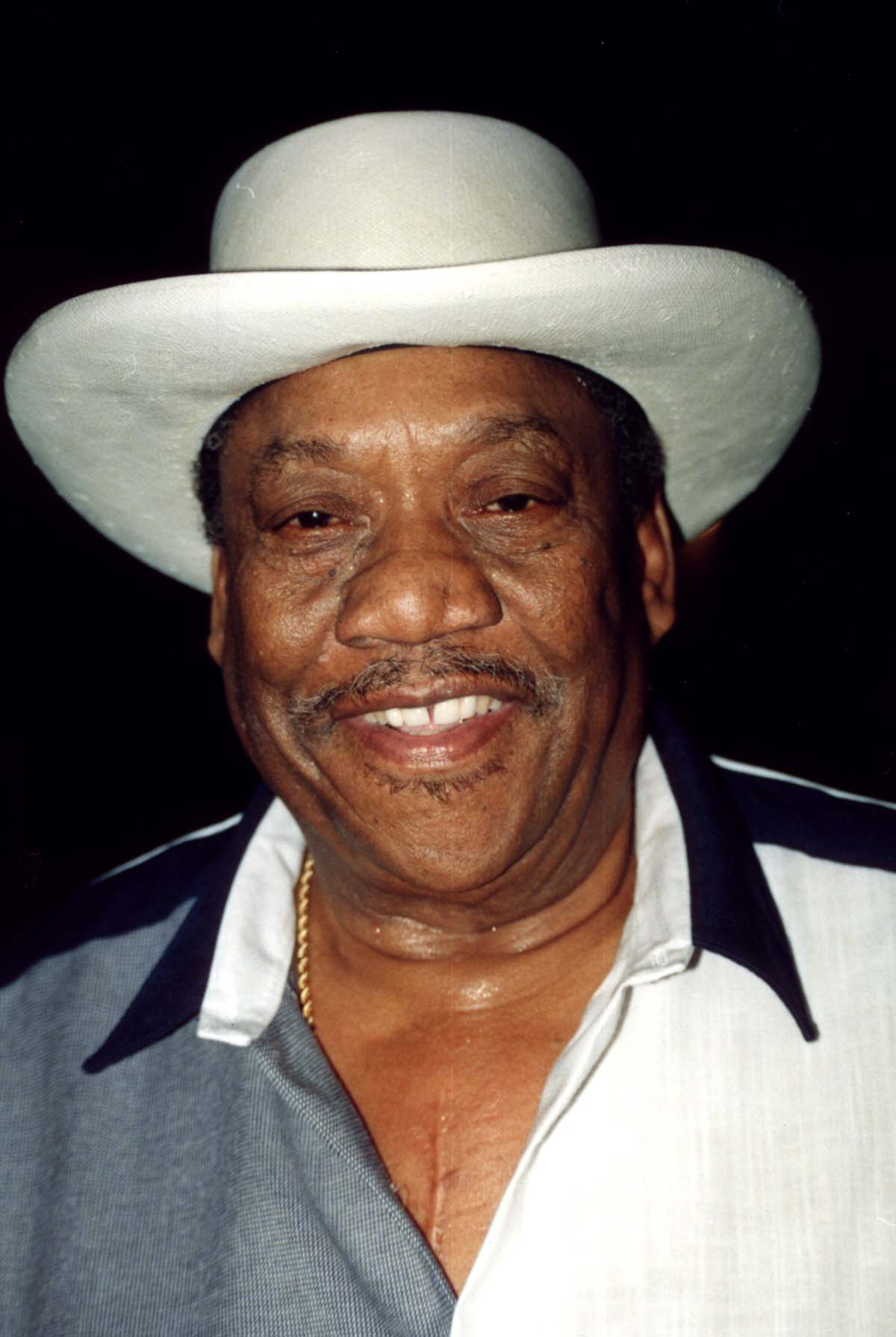
Bobby Bland
Robert Calvin Bland (born Robert Calvin Brooks; January 27, 1930 – June 23, 2013), known professionally as Bobby "Blue" Bland, was an American blues singer. Bland developed a sound that mixed gospel with the blues and R&B. He was described as "among the great storytellers of blues and soul music... [who] created tempestuous arias of love, betrayal and resignation, set against roiling, dramatic orchestrations, and left the listener drained but awed." The inspiration behind his unique style was a Detroit Preacher, CL Franklin, because Bland studied his sermons. He was sometimes referred to as the "Lion of the Blues" and as the "Sinatra of the Blues". His music was influenced by Nat King Cole.
Bland was inducted into the Blues Hall of Fame in 1981, the Rock and Roll Hall of Fame in 1992, and the Memphis Music Hall of Fame in 2012. He received the Grammy Lifetime Achievement Award in 1997. The Rock and Roll Hall of Fame described him as "second in stature only to B.B. King as a product of Memphis's Beale Street blues scene". In 2023, Rolling Stone ranked Bland at number 163 on its list of the 200 Greatest Singers of All Time.
Bland was born Robert Calvin Brooks in the small town of Barretville, Tennessee. His father, I. J. Brooks, abandoned the family not long after Robert's birth. Robert later acquired the name "Bland" from his stepfather, Leroy Bridgeforth, who was also called Leroy Bland. Robert dropped out of school in third grade to work in the cotton fields and never graduated from school.
With his mother, Bland moved to Memphis in 1947, where he started singing with local gospel groups, including the Miniatures. Eager to expand his interests, he began frequenting the city's famous Beale Street, where he became associated with a circle of aspiring musicians, including B.B. King, Rosco Gordon, Junior Parker and Johnny Ace, who collectively were known as the Beale Streeters.
In 1951, talent scout Ike Turner recorded Bland for Modern Records at Tuff Green's house in Memphis. Because Bland was illiterate, they first recorded the one song he knew, "They Call It Stormy Monday." While the recording was never released, Bland later recorded the song in 1961, which became one of his hit singles. Turner backed Bland on piano for his first two records, which were released under the name Robert Bland. Between 1951 and 1952, Bland recorded commercially unsuccessful singles for Modern and Sun Records (which licensed its recordings to Chess Records). However, these records caught the attention of Duke Records. Bland's recordings from the early 1950s show him striving for individuality, but his progress was halted for two years while he served in the U.S. Army, during which time he performed in a band with the singer Eddie Fisher.
When Bland returned to Memphis in 1954, several of his former associates, including Johnny Ace, were enjoying considerable success. He joined Ace's revue and returned to Duke Records, which was then being run by the Houston entrepreneur Don Robey. According to his biographer Charles Farley, "Robey handed Bobby a new contract, which Bobby could not read, and helped Bobby sign his name on it". The contract gave Bland just half a cent per record sold, instead of the industry standard of 2 cents.
Bland released his first single for Duke in 1955. In 1956 he began touring on the Chitlin' Circuit with Junior Parker in a revue called Blues Consolidated, initially doubling as Parker's valet and driver. He began recording for Duke with the bandleader Bill Harvey and the arranger Joe Scott, asserting his characteristic vocal style and, with Harvey and Scott, beginning to craft the melodic big-band blues singles for which he became famous, often accompanied by the guitarist Wayne Bennett. Unlike many blues musicians, Bland played no instrument.
Bland's first chart success came in 1957 with "Farther Up the Road", which reached number 1 on the R&B chart and number 43 on the Billboard Hot 100. It was followed by a series of hits on the R&B chart, including "Little Boy Blue" (1958). He also recorded an album with Parker, Blues Consolidated, in 1958. Bland's craft was most clearly heard on a series of early-1960s releases, including "Cry Cry Cry", "I Pity the Fool" (number 1 on the R&B chart in 1961) and "Turn On Your Love Light", which became a much-covered standard. Despite credits to the contrary—often claimed by Robey—many of these classic works were written by Joe Scott. Bland also recorded a hit version of T-Bone Walker's "Call It Stormy Monday (But Tuesday Is Just as Bad)", which was erroneously given the title of a different song, "Stormy Monday Blues".
Bobby Bland
Robert Calvin Bland (born Robert Calvin Brooks; January 27, 1930 – June 23, 2013), known professionally as Bobby "Blue" Bland, was an American blues singer. Bland developed a sound that mixed gospel with the blues and R&B. He was described as "among the great storytellers of blues and soul music... [who] created tempestuous arias of love, betrayal and resignation, set against roiling, dramatic orchestrations, and left the listener drained but awed." The inspiration behind his unique style was a Detroit Preacher, CL Franklin, because Bland studied his sermons. He was sometimes referred to as the "Lion of the Blues" and as the "Sinatra of the Blues". His music was influenced by Nat King Cole.
Bland was inducted into the Blues Hall of Fame in 1981, the Rock and Roll Hall of Fame in 1992, and the Memphis Music Hall of Fame in 2012. He received the Grammy Lifetime Achievement Award in 1997. The Rock and Roll Hall of Fame described him as "second in stature only to B.B. King as a product of Memphis's Beale Street blues scene". In 2023, Rolling Stone ranked Bland at number 163 on its list of the 200 Greatest Singers of All Time.
Bland was born Robert Calvin Brooks in the small town of Barretville, Tennessee. His father, I. J. Brooks, abandoned the family not long after Robert's birth. Robert later acquired the name "Bland" from his stepfather, Leroy Bridgeforth, who was also called Leroy Bland. Robert dropped out of school in third grade to work in the cotton fields and never graduated from school.
With his mother, Bland moved to Memphis in 1947, where he started singing with local gospel groups, including the Miniatures. Eager to expand his interests, he began frequenting the city's famous Beale Street, where he became associated with a circle of aspiring musicians, including B.B. King, Rosco Gordon, Junior Parker and Johnny Ace, who collectively were known as the Beale Streeters.
In 1951, talent scout Ike Turner recorded Bland for Modern Records at Tuff Green's house in Memphis. Because Bland was illiterate, they first recorded the one song he knew, "They Call It Stormy Monday." While the recording was never released, Bland later recorded the song in 1961, which became one of his hit singles. Turner backed Bland on piano for his first two records, which were released under the name Robert Bland. Between 1951 and 1952, Bland recorded commercially unsuccessful singles for Modern and Sun Records (which licensed its recordings to Chess Records). However, these records caught the attention of Duke Records. Bland's recordings from the early 1950s show him striving for individuality, but his progress was halted for two years while he served in the U.S. Army, during which time he performed in a band with the singer Eddie Fisher.
When Bland returned to Memphis in 1954, several of his former associates, including Johnny Ace, were enjoying considerable success. He joined Ace's revue and returned to Duke Records, which was then being run by the Houston entrepreneur Don Robey. According to his biographer Charles Farley, "Robey handed Bobby a new contract, which Bobby could not read, and helped Bobby sign his name on it". The contract gave Bland just half a cent per record sold, instead of the industry standard of 2 cents.
Bland released his first single for Duke in 1955. In 1956 he began touring on the Chitlin' Circuit with Junior Parker in a revue called Blues Consolidated, initially doubling as Parker's valet and driver. He began recording for Duke with the bandleader Bill Harvey and the arranger Joe Scott, asserting his characteristic vocal style and, with Harvey and Scott, beginning to craft the melodic big-band blues singles for which he became famous, often accompanied by the guitarist Wayne Bennett. Unlike many blues musicians, Bland played no instrument.
Bland's first chart success came in 1957 with "Farther Up the Road", which reached number 1 on the R&B chart and number 43 on the Billboard Hot 100. It was followed by a series of hits on the R&B chart, including "Little Boy Blue" (1958). He also recorded an album with Parker, Blues Consolidated, in 1958. Bland's craft was most clearly heard on a series of early-1960s releases, including "Cry Cry Cry", "I Pity the Fool" (number 1 on the R&B chart in 1961) and "Turn On Your Love Light", which became a much-covered standard. Despite credits to the contrary—often claimed by Robey—many of these classic works were written by Joe Scott. Bland also recorded a hit version of T-Bone Walker's "Call It Stormy Monday (But Tuesday Is Just as Bad)", which was erroneously given the title of a different song, "Stormy Monday Blues".
Recent media
Recent media