



Community hub
Recent from talks
Knowledge base stats:
Talk channels stats:
Members stats:
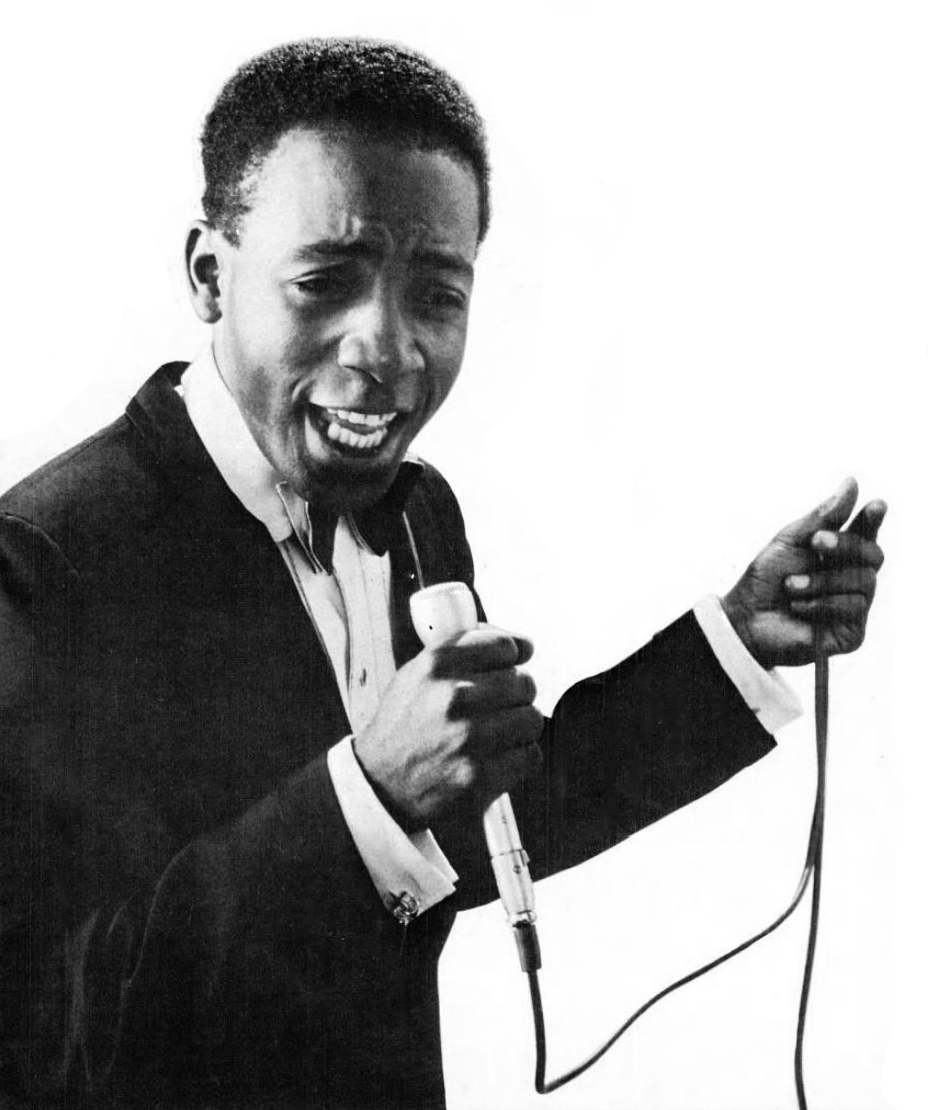
Bobby Hebb
Robert Alvin Von Hebb (July 26, 1938 – August 3, 2010) was an American R&B and soul singer, songwriter and musician, best known for his 1966 hit "Sunny".
Hebb was born in Nashville, Tennessee. His parents, William and Ovalla Hebb, were both blind musicians. Hebb and his older brother, Harold, performed as a song-and-dance team in Nashville beginning when Bobby was three and Harold was nine.
Hebb performed on a TV show hosted by country music record producer Owen Bradley, which earned him a place with Grand Ole Opry star Roy Acuff. Hebb played spoons and other instruments in Acuff's band. Harold later became a member of "Johnny Bragg and the Marigolds". Bobby Hebb sang backup on Bo Diddley's "Diddley Daddy". Hebb played "West-coast-style" trumpet in a United States Navy jazz band, and replaced Mickey Baker in Mickey and Sylvia.
On November 23, 1963, the day after John F. Kennedy's assassination, Bobby Hebb's brother, Harold, was killed in a knife fight outside a Nashville nightclub. Hebb was devastated by both events and sought comfort in songwriting. Though many claim that the song he wrote after both tragedies was the optimistic "Sunny", Hebb himself stated otherwise. He immersed himself in the Gerald Wilson album You Better Believe It! for comfort.
All my intentions were just to think of happier times – basically looking for a brighter day – because times were at a low tide. After I wrote it, I thought "Sunny" just might be a different approach to what Johnny Ray was talking about in "Just Walkin' in the Rain".[citation needed]
"Sunny" was recorded in New York City after demos were made with the record producer Jerry Ross. Released as a single in 1966, "Sunny" reached No. 2 on the Billboard Hot 100, No. 3 on the R&B charts, and No. 12 in the United Kingdom. When Hebb toured with The Beatles in 1966 his "Sunny" was not at the time of the tour, ranked higher than any Beatles song then on the Billboard Hot 100 chart. BMI rated "Sunny" No. 25 in its "Top 100 songs of the century".
In 1976, Hebb released a newly recorded disco version entitled "Sunny '76". The single was a minor hit reaching No. 94 on the R&B chart.
Hebb also had lesser hits with his "A Satisfied Mind" in 1966 (No. 39 on the Billboard chart and No. 40 on the R&B chart) and "Love Me" in 1967 (No. 84), and wrote many other songs, including Lou Rawls' 1971 hit "A Natural Man" (co-written with comedian Sandy Baron). Six years prior to "Sunny", Hebb reached the New York City Top 50 with a remake of Roy Acuff's "Night Train to Memphis". In 1972, his single "Love Love Love" reached No. 32 on the UK charts.
Hub AI
Bobby Hebb AI simulator
(@Bobby Hebb_simulator)
Bobby Hebb
Robert Alvin Von Hebb (July 26, 1938 – August 3, 2010) was an American R&B and soul singer, songwriter and musician, best known for his 1966 hit "Sunny".
Hebb was born in Nashville, Tennessee. His parents, William and Ovalla Hebb, were both blind musicians. Hebb and his older brother, Harold, performed as a song-and-dance team in Nashville beginning when Bobby was three and Harold was nine.
Hebb performed on a TV show hosted by country music record producer Owen Bradley, which earned him a place with Grand Ole Opry star Roy Acuff. Hebb played spoons and other instruments in Acuff's band. Harold later became a member of "Johnny Bragg and the Marigolds". Bobby Hebb sang backup on Bo Diddley's "Diddley Daddy". Hebb played "West-coast-style" trumpet in a United States Navy jazz band, and replaced Mickey Baker in Mickey and Sylvia.
On November 23, 1963, the day after John F. Kennedy's assassination, Bobby Hebb's brother, Harold, was killed in a knife fight outside a Nashville nightclub. Hebb was devastated by both events and sought comfort in songwriting. Though many claim that the song he wrote after both tragedies was the optimistic "Sunny", Hebb himself stated otherwise. He immersed himself in the Gerald Wilson album You Better Believe It! for comfort.
All my intentions were just to think of happier times – basically looking for a brighter day – because times were at a low tide. After I wrote it, I thought "Sunny" just might be a different approach to what Johnny Ray was talking about in "Just Walkin' in the Rain".[citation needed]
"Sunny" was recorded in New York City after demos were made with the record producer Jerry Ross. Released as a single in 1966, "Sunny" reached No. 2 on the Billboard Hot 100, No. 3 on the R&B charts, and No. 12 in the United Kingdom. When Hebb toured with The Beatles in 1966 his "Sunny" was not at the time of the tour, ranked higher than any Beatles song then on the Billboard Hot 100 chart. BMI rated "Sunny" No. 25 in its "Top 100 songs of the century".
In 1976, Hebb released a newly recorded disco version entitled "Sunny '76". The single was a minor hit reaching No. 94 on the R&B chart.
Hebb also had lesser hits with his "A Satisfied Mind" in 1966 (No. 39 on the Billboard chart and No. 40 on the R&B chart) and "Love Me" in 1967 (No. 84), and wrote many other songs, including Lou Rawls' 1971 hit "A Natural Man" (co-written with comedian Sandy Baron). Six years prior to "Sunny", Hebb reached the New York City Top 50 with a remake of Roy Acuff's "Night Train to Memphis". In 1972, his single "Love Love Love" reached No. 32 on the UK charts.