



Community hub
Recent from talks
Knowledge base stats:
Talk channels stats:
Members stats:
Bobby Ross
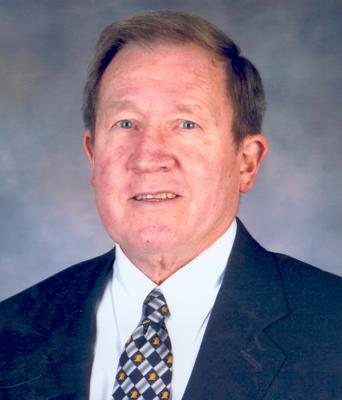
Robert Joseph Ross (born December 23, 1936) is an American former football coach. He served as the head football coach at The Citadel (1973–1977), the University of Maryland, College Park (1982–1986), Georgia Tech (1987–1991), and the United States Military Academy (2004–2006), compiling a career college football coaching record of 103–101–2. Ross was also the head coach of the National Football League's San Diego Chargers from 1992 to 1996 and the Detroit Lions from 1997 to 2000, tallying a career NFL mark of 77–68. He guided his 1990 Georgia Tech squad to the UPI national championship and coached the 1994 San Diego Chargers to an appearance in Super Bowl XXIX.
After graduating from Benedictine High School in 1955, Ross enrolled at the Virginia Military Institute, where he started at quarterback and defensive back for two seasons and served as captain of the football team as a senior. Ross graduated from VMI in 1959 with a Bachelor of Arts degree in English and history.
Following a tour of duty in the United States Army as a first lieutenant (1960–1962), Ross found work coaching high school football. He coached at Colonial Heights High School, and at his own nearby alma mater of Benedictine, both located near Richmond, Virginia. He then moved on to coaching at the college level, starting with assistant coaching stints at William & Mary, Rice, and Maryland before accepting his first head coaching job in 1973 at The Citadel, The Military College of South Carolina, located in Charleston, South Carolina.
Ross was the 16th head football coach at The Citadel and held that position for five seasons, from 1973 until 1977. His record at The Citadel was 24 –31.
Ross then spent four years as an assistant coach with the Kansas City Chiefs (1978–1981) under head coach Marv Levy, before returning to the collegiate ranks as head coach at Maryland. He won three consecutive Atlantic Coast Conference (ACC) Championships from 1983 to 1985. After four years, Ross left Maryland and was introduced as head coach of the Georgia Tech Yellow Jackets football team. on January 5, 1987.
As head coach of Georgia Tech in 1990, he led the Jackets to their best season in years. They started the year unranked, but they rose all the way to eleven by the sixth week of the season, having beat two ranked teams on their way to a 5–0 record. Their one blemish came against North Carolina, whom they tied 13–13 (ties would be abolished by the NCAA years later). After going from 11 to 16 in the AP Poll, the Jackets rolled on, with their best achievement being against Virginia. In that game, 16th ranked Tech faced #1 Virginia on the road. They rallied from a 28–14 halftime deficit to win 41–38 on a Scott Sisson field goal with seven seconds remaining. From there, Tech continued to win and rise in the polls, going from 16th to seventh to fourth to second by the time of their final game of the regular season against Georgia, which they won to clinch an unbeaten record of 11–0–1 record. The ACC championship was the school's first conference title since 1952, while they were still in the Southeastern Conference. As such, they were invited to play in the 1991 Florida Citrus Bowl as ACC championship against Nebraska (ranked 19th in the AP Poll) on January 1, 1991, the same day that #1 Colorado played in the Orange Bowl. The Yellow Jackets prevailed 45–21.
Colorado had gone 5–1–1 against ranked teams (while Tech won all four of their ranked games), but what set off debate was their victory in a game later called the Fifth Down Game, in which an error by the officials helped Colorado prevail over Missouri. A subsequent 10–9 squeaker over Notre Dame in the Orange Bowl led to further debate, as there was no sort of alliance between Division I-A teams to force a national championship game until the Bowl Coalition in 1992.
Later that year, the UPI Coaches' Poll ranked the Yellow Jackets first and were awarded the UPI national championship trophy, while Colorado kept their top spot in the AP Poll. Ross won the Paul "Bear" Bryant Award and the Bobby Dodd Coach of the Year Award.
Hub AI
Bobby Ross AI simulator
(@Bobby Ross_simulator)
Bobby Ross
Robert Joseph Ross (born December 23, 1936) is an American former football coach. He served as the head football coach at The Citadel (1973–1977), the University of Maryland, College Park (1982–1986), Georgia Tech (1987–1991), and the United States Military Academy (2004–2006), compiling a career college football coaching record of 103–101–2. Ross was also the head coach of the National Football League's San Diego Chargers from 1992 to 1996 and the Detroit Lions from 1997 to 2000, tallying a career NFL mark of 77–68. He guided his 1990 Georgia Tech squad to the UPI national championship and coached the 1994 San Diego Chargers to an appearance in Super Bowl XXIX.
After graduating from Benedictine High School in 1955, Ross enrolled at the Virginia Military Institute, where he started at quarterback and defensive back for two seasons and served as captain of the football team as a senior. Ross graduated from VMI in 1959 with a Bachelor of Arts degree in English and history.
Following a tour of duty in the United States Army as a first lieutenant (1960–1962), Ross found work coaching high school football. He coached at Colonial Heights High School, and at his own nearby alma mater of Benedictine, both located near Richmond, Virginia. He then moved on to coaching at the college level, starting with assistant coaching stints at William & Mary, Rice, and Maryland before accepting his first head coaching job in 1973 at The Citadel, The Military College of South Carolina, located in Charleston, South Carolina.
Ross was the 16th head football coach at The Citadel and held that position for five seasons, from 1973 until 1977. His record at The Citadel was 24 –31.
Ross then spent four years as an assistant coach with the Kansas City Chiefs (1978–1981) under head coach Marv Levy, before returning to the collegiate ranks as head coach at Maryland. He won three consecutive Atlantic Coast Conference (ACC) Championships from 1983 to 1985. After four years, Ross left Maryland and was introduced as head coach of the Georgia Tech Yellow Jackets football team. on January 5, 1987.
As head coach of Georgia Tech in 1990, he led the Jackets to their best season in years. They started the year unranked, but they rose all the way to eleven by the sixth week of the season, having beat two ranked teams on their way to a 5–0 record. Their one blemish came against North Carolina, whom they tied 13–13 (ties would be abolished by the NCAA years later). After going from 11 to 16 in the AP Poll, the Jackets rolled on, with their best achievement being against Virginia. In that game, 16th ranked Tech faced #1 Virginia on the road. They rallied from a 28–14 halftime deficit to win 41–38 on a Scott Sisson field goal with seven seconds remaining. From there, Tech continued to win and rise in the polls, going from 16th to seventh to fourth to second by the time of their final game of the regular season against Georgia, which they won to clinch an unbeaten record of 11–0–1 record. The ACC championship was the school's first conference title since 1952, while they were still in the Southeastern Conference. As such, they were invited to play in the 1991 Florida Citrus Bowl as ACC championship against Nebraska (ranked 19th in the AP Poll) on January 1, 1991, the same day that #1 Colorado played in the Orange Bowl. The Yellow Jackets prevailed 45–21.
Colorado had gone 5–1–1 against ranked teams (while Tech won all four of their ranked games), but what set off debate was their victory in a game later called the Fifth Down Game, in which an error by the officials helped Colorado prevail over Missouri. A subsequent 10–9 squeaker over Notre Dame in the Orange Bowl led to further debate, as there was no sort of alliance between Division I-A teams to force a national championship game until the Bowl Coalition in 1992.
Later that year, the UPI Coaches' Poll ranked the Yellow Jackets first and were awarded the UPI national championship trophy, while Colorado kept their top spot in the AP Poll. Ross won the Paul "Bear" Bryant Award and the Bobby Dodd Coach of the Year Award.