


Community hub
Recent from talks
Contribute something to knowledge base
Content stats: 0 posts, 0 articles, 1 media, 0 notes
Members stats: 0 subscribers, 0 contributors, 0 moderators, 0 supporters
Subscribers
Supporters
Contributors
Moderators
Hub AI
Body dysmorphic disorder AI simulator
(@Body dysmorphic disorder_simulator)
Hub AI
Body dysmorphic disorder AI simulator
(@Body dysmorphic disorder_simulator)
Body dysmorphic disorder
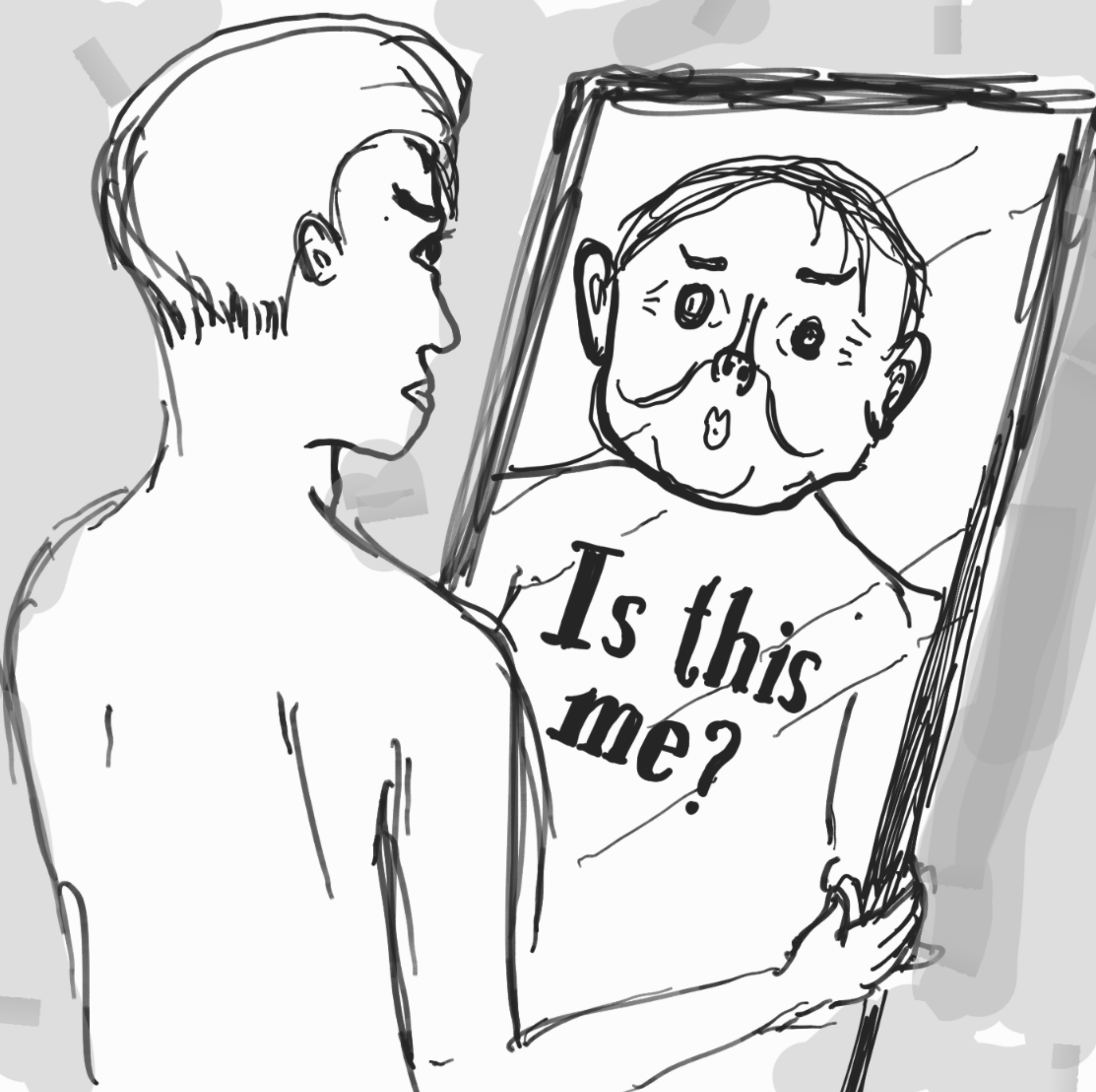
Body dysmorphic disorder (BDD), also known in some contexts as dysmorphophobia or dysmorphia, is a mental disorder defined by an overwhelming preoccupation with a perceived flaw in one's physical appearance. In BDD's delusional variant, the flaw is imagined. When an actual visible difference exists, its importance is disproportionately magnified in the mind of the individual. Whether the physical issue is real or imagined, ruminations concerning this perceived defect become pervasive and intrusive, consuming substantial mental bandwidth for extended periods each day. This excessive preoccupation induces severe emotional distress and also disrupts daily functioning and activities. The DSM-5 places BDD within the obsessive–compulsive spectrum, distinguishing it from disorders such as anorexia nervosa.
BDD is estimated to affect from 0.7% to 2.4% of the population. It usually starts during adolescence and affects both men and women. The BDD subtype muscle dysmorphia, perceiving the body as too small, affects mostly males. In addition to thinking about it, the sufferer typically checks and compares the perceived flaw repetitively and can adopt unusual routines to avoid social contact that exposes it. Fearing the stigma of vanity, they usually hide this preoccupation. Commonly overlooked even by psychiatrists, BDD has been underdiagnosed. As the disorder severely impairs quality of life due to educational and occupational dysfunction and social isolation, those experiencing BDD tend to have high rates of suicidal thoughts and may attempt suicide.
Dislike of one's appearance is common, but individuals with BDD have extreme misperceptions about their physical appearance. Whereas vanity involves a quest to aggrandize the appearance, BDD is experienced as a quest to merely normalize the appearance. Although delusional in about one of three cases, the appearance concern is usually non-delusional, an overvalued idea.
The bodily area of focus is commonly face, skin, stomach, arms and legs, but can be nearly any part of the body. In addition, multiple areas can be focused on simultaneously. A subtype of body dysmorphic disorder is bigorexia (anorexia reverse or muscle dysphoria). In muscular dysphoria, patients perceive their body as excessively thin despite being muscular and trained. Many seek dermatological treatment or cosmetic surgery, which typically does not resolve the distress. On the other hand, attempts at self-treatment, as by skin picking, can create lesions where none previously existed.
BDD is a disorder in the obsessive–compulsive spectrum, but involves more depression and social avoidance despite a degree of overlap with obsessive–compulsive disorder (OCD). BDD often associates with social anxiety disorder (SAD). Some experience delusions that others are covertly pointing out their flaws. Cognitive testing and neuroimaging suggest both a bias toward detailed visual analysis and a tendency toward emotional hyper-arousal.
Most generally, one experiencing BDD ruminates over the perceived bodily defect several hours daily or longer, uses either social avoidance or camouflaging with cosmetics or apparel, repetitively checks the appearance, compares it to that of other people, and might often seek verbal reassurances. One might sometimes avoid mirrors, repetitively change outfits, groom excessively, or restrict eating.
BDD's severity can wax and wane, and flareups tend to yield absences from school, work, or socializing, sometimes leading to protracted social isolation, with some becoming housebound for extended periods. Social impairment is usually greatest, sometimes approaching avoidance of all social activities. Poor concentration and motivation impair academic and occupational performance. The distress of BDD tends to exceed that of major depressive disorder and rates of suicidal ideation and attempts are especially high.
As with most mental disorders, BDD's cause is likely intricate, altogether biopsychosocial, through an interaction of multiple factors, including genetic, developmental, psychological, social, and cultural. BDD usually develops during early adolescence, although many patients note earlier trauma, abuse, neglect, teasing, or bullying. In many cases, social anxiety earlier in life precedes BDD. Though twin studies on BDD are few, one estimated its heritability at 43%. Yet other factors may be introversion, negative body image, perfectionism, heightened aesthetic sensitivity, and childhood abuse and neglect.
Body dysmorphic disorder
Body dysmorphic disorder (BDD), also known in some contexts as dysmorphophobia or dysmorphia, is a mental disorder defined by an overwhelming preoccupation with a perceived flaw in one's physical appearance. In BDD's delusional variant, the flaw is imagined. When an actual visible difference exists, its importance is disproportionately magnified in the mind of the individual. Whether the physical issue is real or imagined, ruminations concerning this perceived defect become pervasive and intrusive, consuming substantial mental bandwidth for extended periods each day. This excessive preoccupation induces severe emotional distress and also disrupts daily functioning and activities. The DSM-5 places BDD within the obsessive–compulsive spectrum, distinguishing it from disorders such as anorexia nervosa.
BDD is estimated to affect from 0.7% to 2.4% of the population. It usually starts during adolescence and affects both men and women. The BDD subtype muscle dysmorphia, perceiving the body as too small, affects mostly males. In addition to thinking about it, the sufferer typically checks and compares the perceived flaw repetitively and can adopt unusual routines to avoid social contact that exposes it. Fearing the stigma of vanity, they usually hide this preoccupation. Commonly overlooked even by psychiatrists, BDD has been underdiagnosed. As the disorder severely impairs quality of life due to educational and occupational dysfunction and social isolation, those experiencing BDD tend to have high rates of suicidal thoughts and may attempt suicide.
Dislike of one's appearance is common, but individuals with BDD have extreme misperceptions about their physical appearance. Whereas vanity involves a quest to aggrandize the appearance, BDD is experienced as a quest to merely normalize the appearance. Although delusional in about one of three cases, the appearance concern is usually non-delusional, an overvalued idea.
The bodily area of focus is commonly face, skin, stomach, arms and legs, but can be nearly any part of the body. In addition, multiple areas can be focused on simultaneously. A subtype of body dysmorphic disorder is bigorexia (anorexia reverse or muscle dysphoria). In muscular dysphoria, patients perceive their body as excessively thin despite being muscular and trained. Many seek dermatological treatment or cosmetic surgery, which typically does not resolve the distress. On the other hand, attempts at self-treatment, as by skin picking, can create lesions where none previously existed.
BDD is a disorder in the obsessive–compulsive spectrum, but involves more depression and social avoidance despite a degree of overlap with obsessive–compulsive disorder (OCD). BDD often associates with social anxiety disorder (SAD). Some experience delusions that others are covertly pointing out their flaws. Cognitive testing and neuroimaging suggest both a bias toward detailed visual analysis and a tendency toward emotional hyper-arousal.
Most generally, one experiencing BDD ruminates over the perceived bodily defect several hours daily or longer, uses either social avoidance or camouflaging with cosmetics or apparel, repetitively checks the appearance, compares it to that of other people, and might often seek verbal reassurances. One might sometimes avoid mirrors, repetitively change outfits, groom excessively, or restrict eating.
BDD's severity can wax and wane, and flareups tend to yield absences from school, work, or socializing, sometimes leading to protracted social isolation, with some becoming housebound for extended periods. Social impairment is usually greatest, sometimes approaching avoidance of all social activities. Poor concentration and motivation impair academic and occupational performance. The distress of BDD tends to exceed that of major depressive disorder and rates of suicidal ideation and attempts are especially high.
As with most mental disorders, BDD's cause is likely intricate, altogether biopsychosocial, through an interaction of multiple factors, including genetic, developmental, psychological, social, and cultural. BDD usually develops during early adolescence, although many patients note earlier trauma, abuse, neglect, teasing, or bullying. In many cases, social anxiety earlier in life precedes BDD. Though twin studies on BDD are few, one estimated its heritability at 43%. Yet other factors may be introversion, negative body image, perfectionism, heightened aesthetic sensitivity, and childhood abuse and neglect.
Recent media
Recent media