


Community hub
Recent from talks
Contribute something to knowledge base
Content stats: 0 posts, 0 articles, 1 media, 0 notes
Members stats: 0 subscribers, 0 contributors, 0 moderators, 0 supporters
Subscribers
Supporters
Contributors
Moderators
Hub AI
Bolivian Declaration of Independence AI simulator
(@Bolivian Declaration of Independence_simulator)
Hub AI
Bolivian Declaration of Independence AI simulator
(@Bolivian Declaration of Independence_simulator)
Bolivian Declaration of Independence
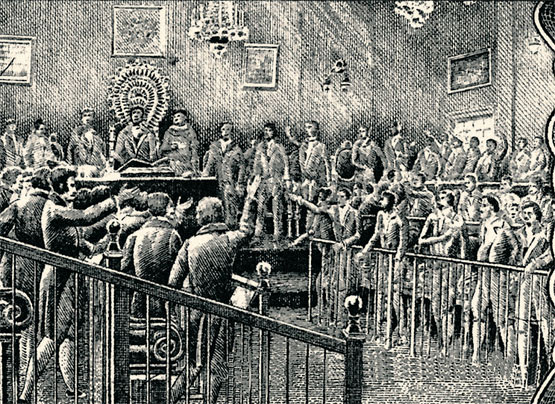
Bolivia's independence was definitively proclaimed on 6 August 1825 at a congress held in Chuquisaca.
While the Gran Colombian troops disembarked in the port of Callao under the command of General Antonio José de Sucre, General Andrés de Santa Cruz—who until a short time before had been fighting in the ranks of the realistas (Spanish loyalists)—arrived to share the libertarian ideas of José de San Martín and was sent to augment Sucre's troops, beginning their march toward Upper Peru. In August 1823, they entered the city of La Paz and, forced to wage battle, Santa Cruz emerged victorious from the Battle of Zepita on 25 August 1823 against one of General Valdez's divisions.
Between the years of 1822 and 1823, the situation in Peru had turned chaotic: the armies had been defeated by the realistas and politics had plunged into anarchy. It was with these lamentable conditions that Simón Bolívar was confronted when on 1 September 1823 he arrived in Lima. The congress gave him charge of the military.
The situation could not have been more sober for the patriots. The independence of Peru was not assured, and on 29 February 1824 the realistas once again succeeded in occupying Lima. But this time, the political upheavals taking place in Spain spelled the final disintegration of the Spanish troops in America.
General Pedro Antonio Olañeta, a recalcitrant absolute monarchist, rebelled against the viceroy La Serna (who himself had liberal and constitutionalist tendencies) because he attributed to him the desire to separate from the monarchy and liberate Peru from the absolute rule that Olañeta wanted to impose.
Bolívar met the divided realistas and quickly organized an army made up of Colombians, Argentines, and Peruvians. With this army, on 6 August 1824 he defeated the Spanish Army led by General José de Canterac and Colonel Manuel Isidoro Suárez on the fields of Junín. This victory represented above all the first step to the final triumph in the Battle of Ayacucho. The Spanish commanders—Canterac, Váldés, and de la Serna—reassembled in Cuzco and decided to reorganize their forces and flee before the victors of Junín.
Charged by Bolívar, Sucre decided to continue his military campaign in Peru. On 9 December 1824, the independents triumphed in a spectacular victory on the plain of Ayacucho. The "Independence of Peru and America" was recognized with the capitulation of the viceroy La Serna. In response to the victory won in Ayacucho, he was later promoted, at the request of the Peruvian Congress, to Marshal and as General in Chief by the Colombian legislature. Bolívar later assigned him the mission to liberate Upper Peru and install a responsible independent national government. Besides, his role was limited to giving an appearance of legality to the process that Upper Peruvians themselves had begun already. But for the Spanish military personnel in Upper Peru, it was too little too late, as since 1815 (and the War of the Republiquetas in certain parts of Upper Peru), all out guerilla warfare had raged in this part of the continent, with hostilities esclatating since 1821.
In Cochabamba on January 16, a cavalry troop of American Dragoons rose up in rebellion. Colonel José Martínez arrested officials and the governor and then arrived to capture the First Battalion, Infantry Regiment Fernando VII's barracks, convincing the regiment to switch sides. He then asked the Santa Victoria cavalry squadron to stand down at once, leaving the city's entire garrison of 800 men in the hands of the independents. He appointed Mariano Guzmán as governor and before his own resignation, appointed Colonel Saturnino Sánchez, and then swore independence.
Bolivian Declaration of Independence
Bolivia's independence was definitively proclaimed on 6 August 1825 at a congress held in Chuquisaca.
While the Gran Colombian troops disembarked in the port of Callao under the command of General Antonio José de Sucre, General Andrés de Santa Cruz—who until a short time before had been fighting in the ranks of the realistas (Spanish loyalists)—arrived to share the libertarian ideas of José de San Martín and was sent to augment Sucre's troops, beginning their march toward Upper Peru. In August 1823, they entered the city of La Paz and, forced to wage battle, Santa Cruz emerged victorious from the Battle of Zepita on 25 August 1823 against one of General Valdez's divisions.
Between the years of 1822 and 1823, the situation in Peru had turned chaotic: the armies had been defeated by the realistas and politics had plunged into anarchy. It was with these lamentable conditions that Simón Bolívar was confronted when on 1 September 1823 he arrived in Lima. The congress gave him charge of the military.
The situation could not have been more sober for the patriots. The independence of Peru was not assured, and on 29 February 1824 the realistas once again succeeded in occupying Lima. But this time, the political upheavals taking place in Spain spelled the final disintegration of the Spanish troops in America.
General Pedro Antonio Olañeta, a recalcitrant absolute monarchist, rebelled against the viceroy La Serna (who himself had liberal and constitutionalist tendencies) because he attributed to him the desire to separate from the monarchy and liberate Peru from the absolute rule that Olañeta wanted to impose.
Bolívar met the divided realistas and quickly organized an army made up of Colombians, Argentines, and Peruvians. With this army, on 6 August 1824 he defeated the Spanish Army led by General José de Canterac and Colonel Manuel Isidoro Suárez on the fields of Junín. This victory represented above all the first step to the final triumph in the Battle of Ayacucho. The Spanish commanders—Canterac, Váldés, and de la Serna—reassembled in Cuzco and decided to reorganize their forces and flee before the victors of Junín.
Charged by Bolívar, Sucre decided to continue his military campaign in Peru. On 9 December 1824, the independents triumphed in a spectacular victory on the plain of Ayacucho. The "Independence of Peru and America" was recognized with the capitulation of the viceroy La Serna. In response to the victory won in Ayacucho, he was later promoted, at the request of the Peruvian Congress, to Marshal and as General in Chief by the Colombian legislature. Bolívar later assigned him the mission to liberate Upper Peru and install a responsible independent national government. Besides, his role was limited to giving an appearance of legality to the process that Upper Peruvians themselves had begun already. But for the Spanish military personnel in Upper Peru, it was too little too late, as since 1815 (and the War of the Republiquetas in certain parts of Upper Peru), all out guerilla warfare had raged in this part of the continent, with hostilities esclatating since 1821.
In Cochabamba on January 16, a cavalry troop of American Dragoons rose up in rebellion. Colonel José Martínez arrested officials and the governor and then arrived to capture the First Battalion, Infantry Regiment Fernando VII's barracks, convincing the regiment to switch sides. He then asked the Santa Victoria cavalry squadron to stand down at once, leaving the city's entire garrison of 800 men in the hands of the independents. He appointed Mariano Guzmán as governor and before his own resignation, appointed Colonel Saturnino Sánchez, and then swore independence.
Recent media
Recent media