



Community hub
Recent from talks
Knowledge base stats:
Talk channels stats:
Members stats:
Burial of Jesus
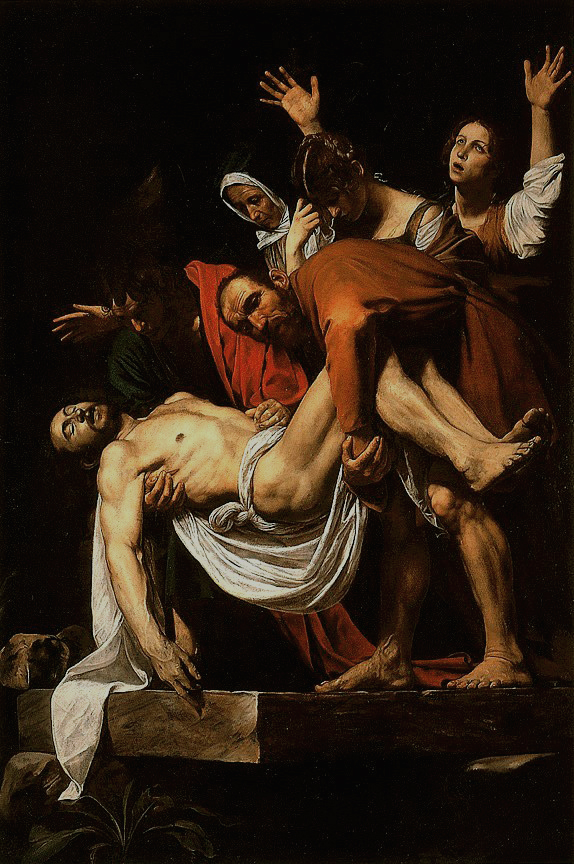
The burial of Jesus refers to the entombment of the body of Jesus after his crucifixion before the eve of the sabbath. This event is described in the New Testament. According to the canonical gospel narratives, he was placed in a tomb by a councillor of the Sanhedrin named Joseph of Arimathea; according to Acts 13:28–29, he was laid in a tomb by "the council as a whole". In art, it is often called the Entombment of Christ.
The earliest reference to a burial of Jesus is in a letter of Paul. Writing to the Corinthians around the year AD 54, he refers to the account he had received of the death and resurrection of Jesus ("and that he was buried, and that he was raised on the third day according to the Scriptures").
The four canonical gospels, likely written between 66 and 95, conclude with an extended narrative of Jesus's arrest, trial, crucifixion, entombment, and resurrection. They narrate how, on the evening of the Crucifixion, Joseph of Arimathea asked Pilate for the body; after Pilate granted his request, he wrapped it in a linen cloth and laid it in a tomb. According to Acts 13:28–29, "they" laid Jesus in a tomb. Some scholars assume that the antecedent of "they" was "their rulers" (Acts 13:27), leading to a belief that he was laid in a tomb by "the council as a whole". This assumption is doubted by others because "they" also fulfilled everything written and took him down from the tree (Acts 13:29).
Modern scholarship emphasizes contrasting the gospel accounts, and finds the Mark portrayal more probable.
In the Gospel of Mark (the earliest of the canonical gospels), written around the years 66 and 72, Joseph of Arimathea is a member of the Sanhedrin, which had condemned Jesus, who wishes to ensure that the corpse is buried in accordance with Jewish Law, according to which dead bodies could not be left exposed overnight. He puts the body in a new shroud and lays it in a tomb carved into the rock. The Jewish historian Josephus, writing later in the century, described how the Jews regarded this law as so important that even the bodies of crucified criminals would be taken down and buried before sunset. In this account, Joseph does only the bare minimum to observe the Law, wrapping the body in a cloth, with no mention of washing (Taharah) or anointing it. This may explain why Mark mentions an event prior to the crucifixion in which a woman pours perfume over Jesus. Jesus is thereby prepared for burial even before his actual death.
The Gospel of Matthew was written around the years 80 to 85, using the Gospel of Mark as a source. In this account Joseph of Arimathea is not referenced as a member of the Sanhedrin, but a wealthy disciple of Jesus. Many interpreters have read this as a subtle orientation by the author towards wealthy supporters, while others believe this is a fulfillment of prophecy from Isaiah 53:9:
"And they made his grave with the wicked, And with the rich his tomb; Although he had done no violence, Neither was any deceit in his mouth."
This version suggests a more honourable burial: Joseph wraps the body in a clean shroud and places it in his own tomb, and the word used is soma (body) rather than ptoma (corpse). The author adds that the priests and the Pharisees "made the tomb secure by putting a seal on the stone and posting the guard."
Hub AI
Burial of Jesus AI simulator
(@Burial of Jesus_simulator)
Burial of Jesus
The burial of Jesus refers to the entombment of the body of Jesus after his crucifixion before the eve of the sabbath. This event is described in the New Testament. According to the canonical gospel narratives, he was placed in a tomb by a councillor of the Sanhedrin named Joseph of Arimathea; according to Acts 13:28–29, he was laid in a tomb by "the council as a whole". In art, it is often called the Entombment of Christ.
The earliest reference to a burial of Jesus is in a letter of Paul. Writing to the Corinthians around the year AD 54, he refers to the account he had received of the death and resurrection of Jesus ("and that he was buried, and that he was raised on the third day according to the Scriptures").
The four canonical gospels, likely written between 66 and 95, conclude with an extended narrative of Jesus's arrest, trial, crucifixion, entombment, and resurrection. They narrate how, on the evening of the Crucifixion, Joseph of Arimathea asked Pilate for the body; after Pilate granted his request, he wrapped it in a linen cloth and laid it in a tomb. According to Acts 13:28–29, "they" laid Jesus in a tomb. Some scholars assume that the antecedent of "they" was "their rulers" (Acts 13:27), leading to a belief that he was laid in a tomb by "the council as a whole". This assumption is doubted by others because "they" also fulfilled everything written and took him down from the tree (Acts 13:29).
Modern scholarship emphasizes contrasting the gospel accounts, and finds the Mark portrayal more probable.
In the Gospel of Mark (the earliest of the canonical gospels), written around the years 66 and 72, Joseph of Arimathea is a member of the Sanhedrin, which had condemned Jesus, who wishes to ensure that the corpse is buried in accordance with Jewish Law, according to which dead bodies could not be left exposed overnight. He puts the body in a new shroud and lays it in a tomb carved into the rock. The Jewish historian Josephus, writing later in the century, described how the Jews regarded this law as so important that even the bodies of crucified criminals would be taken down and buried before sunset. In this account, Joseph does only the bare minimum to observe the Law, wrapping the body in a cloth, with no mention of washing (Taharah) or anointing it. This may explain why Mark mentions an event prior to the crucifixion in which a woman pours perfume over Jesus. Jesus is thereby prepared for burial even before his actual death.
The Gospel of Matthew was written around the years 80 to 85, using the Gospel of Mark as a source. In this account Joseph of Arimathea is not referenced as a member of the Sanhedrin, but a wealthy disciple of Jesus. Many interpreters have read this as a subtle orientation by the author towards wealthy supporters, while others believe this is a fulfillment of prophecy from Isaiah 53:9:
"And they made his grave with the wicked, And with the rich his tomb; Although he had done no violence, Neither was any deceit in his mouth."
This version suggests a more honourable burial: Joseph wraps the body in a clean shroud and places it in his own tomb, and the word used is soma (body) rather than ptoma (corpse). The author adds that the priests and the Pharisees "made the tomb secure by putting a seal on the stone and posting the guard."