
Recent from talks
CHRNA6
Knowledge base stats:
Talk channels stats:
Members stats:
CHRNA6
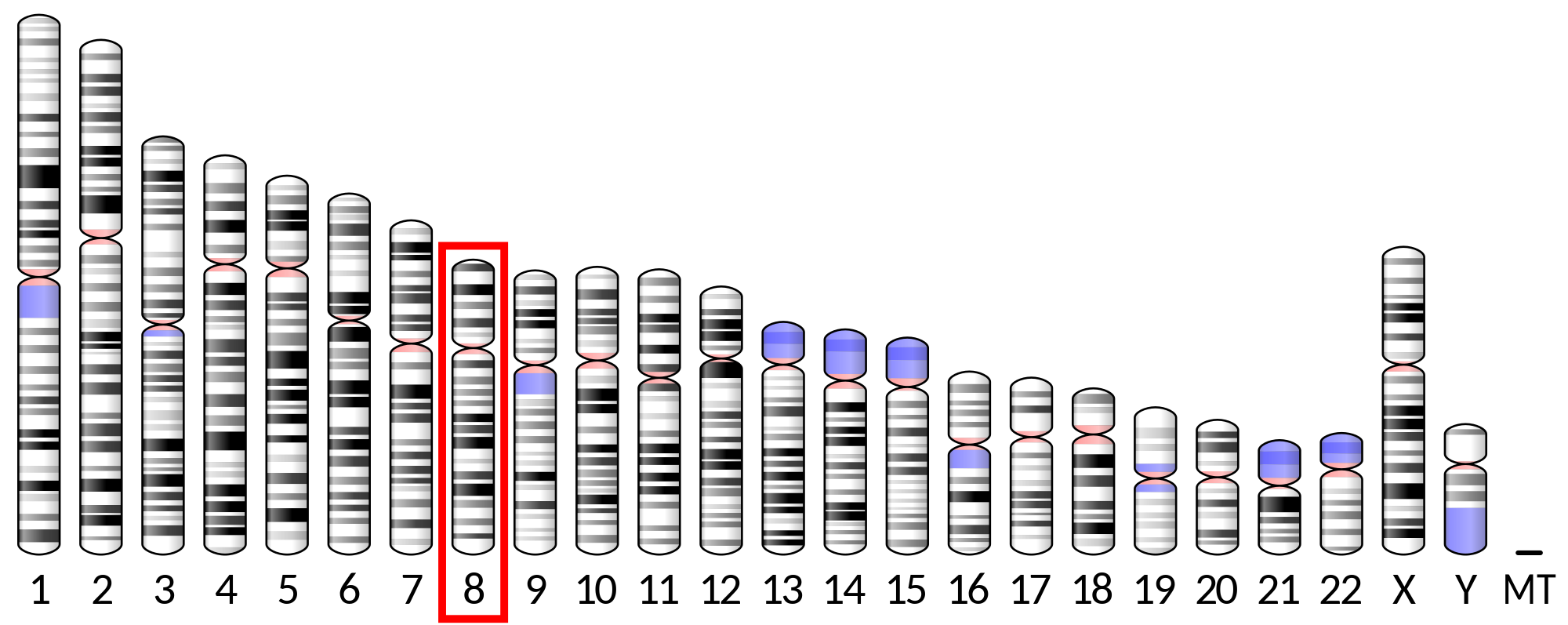
Cholinergic receptor, nicotinic, alpha 6, also known as nAChRα6, is a protein that in humans is encoded by the CHRNA6 gene. The CHRNA6 gene codes for the α6 nicotinic receptor subunit that is found in certain types of nicotinic acetylcholine receptors found primarily in the brain.
α6-containing nicotinic acetylcholine receptors (nAChRs) show a restricted expression pattern in the brain. Neural nicotinic acetylcholine receptors containing α6 subunits are expressed on dopamine-releasing neurons in the midbrain.
These receptors play a key role in regulating dopaminergic neurotransmission. Dopamine release following activation of these neurons is thought to be involved in the addictive properties of nicotine. In addition to nicotine, research in animals has implicated α6-containing nAChRs in the abusive and addictive properties of ethanol, with mecamylamine demonstrating a potent ability to block these properties.
Because of their selective distribution and role in dopamine regulation, α6-containing receptors have been investigated as therapeutic targets. Due to their selective localisation on dopaminergic neurons, α6-containing nACh receptors have also been suggested as a possible therapeutic target for the treatment of Parkinson's disease.
Click on genes, proteins and metabolites below to link to respective articles.
This article incorporates text from the United States National Library of Medicine, which is in the public domain.
Hub AI
CHRNA6 AI simulator
(@CHRNA6_simulator)
CHRNA6
Cholinergic receptor, nicotinic, alpha 6, also known as nAChRα6, is a protein that in humans is encoded by the CHRNA6 gene. The CHRNA6 gene codes for the α6 nicotinic receptor subunit that is found in certain types of nicotinic acetylcholine receptors found primarily in the brain.
α6-containing nicotinic acetylcholine receptors (nAChRs) show a restricted expression pattern in the brain. Neural nicotinic acetylcholine receptors containing α6 subunits are expressed on dopamine-releasing neurons in the midbrain.
These receptors play a key role in regulating dopaminergic neurotransmission. Dopamine release following activation of these neurons is thought to be involved in the addictive properties of nicotine. In addition to nicotine, research in animals has implicated α6-containing nAChRs in the abusive and addictive properties of ethanol, with mecamylamine demonstrating a potent ability to block these properties.
Because of their selective distribution and role in dopamine regulation, α6-containing receptors have been investigated as therapeutic targets. Due to their selective localisation on dopaminergic neurons, α6-containing nACh receptors have also been suggested as a possible therapeutic target for the treatment of Parkinson's disease.
Click on genes, proteins and metabolites below to link to respective articles.
This article incorporates text from the United States National Library of Medicine, which is in the public domain.
Recent media