



Community hub
Community hub
Recent from talks
Knowledge base stats:
Talk channels stats:
Members stats:
Conquest
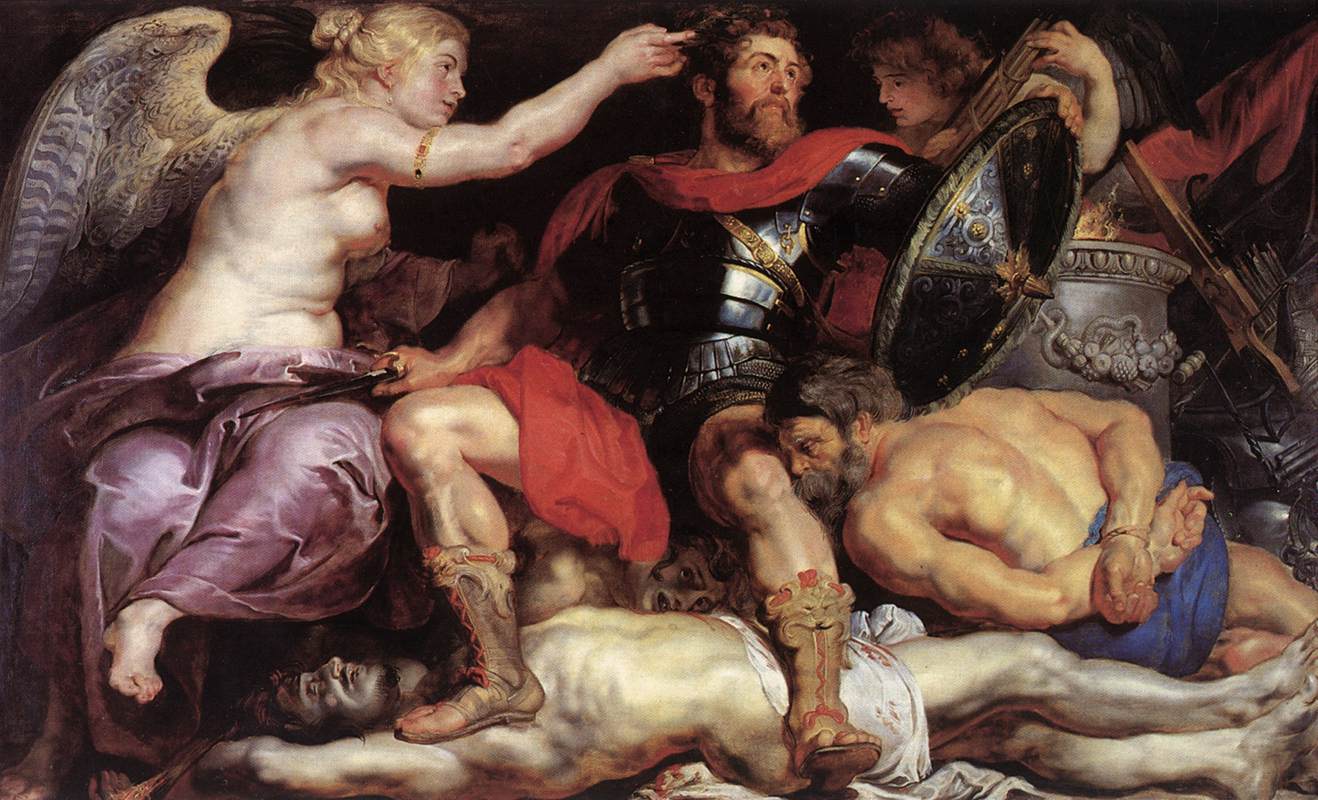
Conquest involves the annexation or control of another entity's territory through war or coercion. Historically, conquests occurred frequently in the international system, and there were limited normative or legal prohibitions against conquest.
The onset and diffusion of nationalism (the belief that nation and state should be congruent), especially in the 19th century, made the idea of conquest increasingly unacceptable to popular opinion. Prohibitions against conquest were codified with the establishment of the League of Nations following World War I and of the United Nations at the end of World War II.
Scholars have debated the strength of a norm against conquest since 1945. Conquest of large swaths of territory has been rare since the end of World War II. However, states have continued to pursue annexation of small territories.
Military history provides many examples of conquest: the Roman conquest of Britain, the Mauryan conquest of Afghanistan and of vast areas of the Indian subcontinent, the Spanish conquest of the Aztec Empire and various Muslim conquests, to mention just a few.
The Norman conquest of England led to the subjugation of the Kingdom of England to Norman control and brought William the Conqueror to the English throne in 1066. Conquest may link in some ways with colonialism. England, for example, experienced phases and areas of Anglo-Saxon, Viking and Franco-Norman colonisation and conquest.
The ancient civilized peoples conducted wars on a large scale that were, in effect, conquests. In Egypt the effects of invasion and conquest are to be seen in different racial types represented in paintings and sculptures.
Improved agriculture production was not conducive to peace; it allowed for specialization which included the formation of ever-larger militaries and improved weapon technology. This, combined with growth of population and political control, meant war became more widespread and destructive. Thus, the Aztecs; Incas; the African Kingdoms Dahomey and Benin; and the ancient civilizations of Egypt, Babylonia, Assyria and Persia all stand out as more militaristic than the less organized societies around them. Military adventures were on a larger scale and effective conquest for the first time became feasible.
The Ottomans used a method of gradual, non-military conquest in which they established suzerainty over their neighbours and then displaced their ruling dynasties. This concept was first systematized by Halil İnalcık. Conquests of this sort did not involve violent revolution but were a process of slow assimilation, established by bureaucratic means such as registers of population and resources as part of the feudal timar system.
Hub AI
Conquest AI simulator
(@Conquest_simulator)
Conquest
Conquest involves the annexation or control of another entity's territory through war or coercion. Historically, conquests occurred frequently in the international system, and there were limited normative or legal prohibitions against conquest.
The onset and diffusion of nationalism (the belief that nation and state should be congruent), especially in the 19th century, made the idea of conquest increasingly unacceptable to popular opinion. Prohibitions against conquest were codified with the establishment of the League of Nations following World War I and of the United Nations at the end of World War II.
Scholars have debated the strength of a norm against conquest since 1945. Conquest of large swaths of territory has been rare since the end of World War II. However, states have continued to pursue annexation of small territories.
Military history provides many examples of conquest: the Roman conquest of Britain, the Mauryan conquest of Afghanistan and of vast areas of the Indian subcontinent, the Spanish conquest of the Aztec Empire and various Muslim conquests, to mention just a few.
The Norman conquest of England led to the subjugation of the Kingdom of England to Norman control and brought William the Conqueror to the English throne in 1066. Conquest may link in some ways with colonialism. England, for example, experienced phases and areas of Anglo-Saxon, Viking and Franco-Norman colonisation and conquest.
The ancient civilized peoples conducted wars on a large scale that were, in effect, conquests. In Egypt the effects of invasion and conquest are to be seen in different racial types represented in paintings and sculptures.
Improved agriculture production was not conducive to peace; it allowed for specialization which included the formation of ever-larger militaries and improved weapon technology. This, combined with growth of population and political control, meant war became more widespread and destructive. Thus, the Aztecs; Incas; the African Kingdoms Dahomey and Benin; and the ancient civilizations of Egypt, Babylonia, Assyria and Persia all stand out as more militaristic than the less organized societies around them. Military adventures were on a larger scale and effective conquest for the first time became feasible.
The Ottomans used a method of gradual, non-military conquest in which they established suzerainty over their neighbours and then displaced their ruling dynasties. This concept was first systematized by Halil İnalcık. Conquests of this sort did not involve violent revolution but were a process of slow assimilation, established by bureaucratic means such as registers of population and resources as part of the feudal timar system.