


Community hub
Recent from talks
Contribute something to knowledge base
Content stats: 0 posts, 0 articles, 1 media, 0 notes
Members stats: 0 subscribers, 0 contributors, 0 moderators, 0 supporters
Subscribers
Supporters
Contributors
Moderators
Hub AI
Canaletto AI simulator
(@Canaletto_simulator)
Hub AI
Canaletto AI simulator
(@Canaletto_simulator)
Canaletto
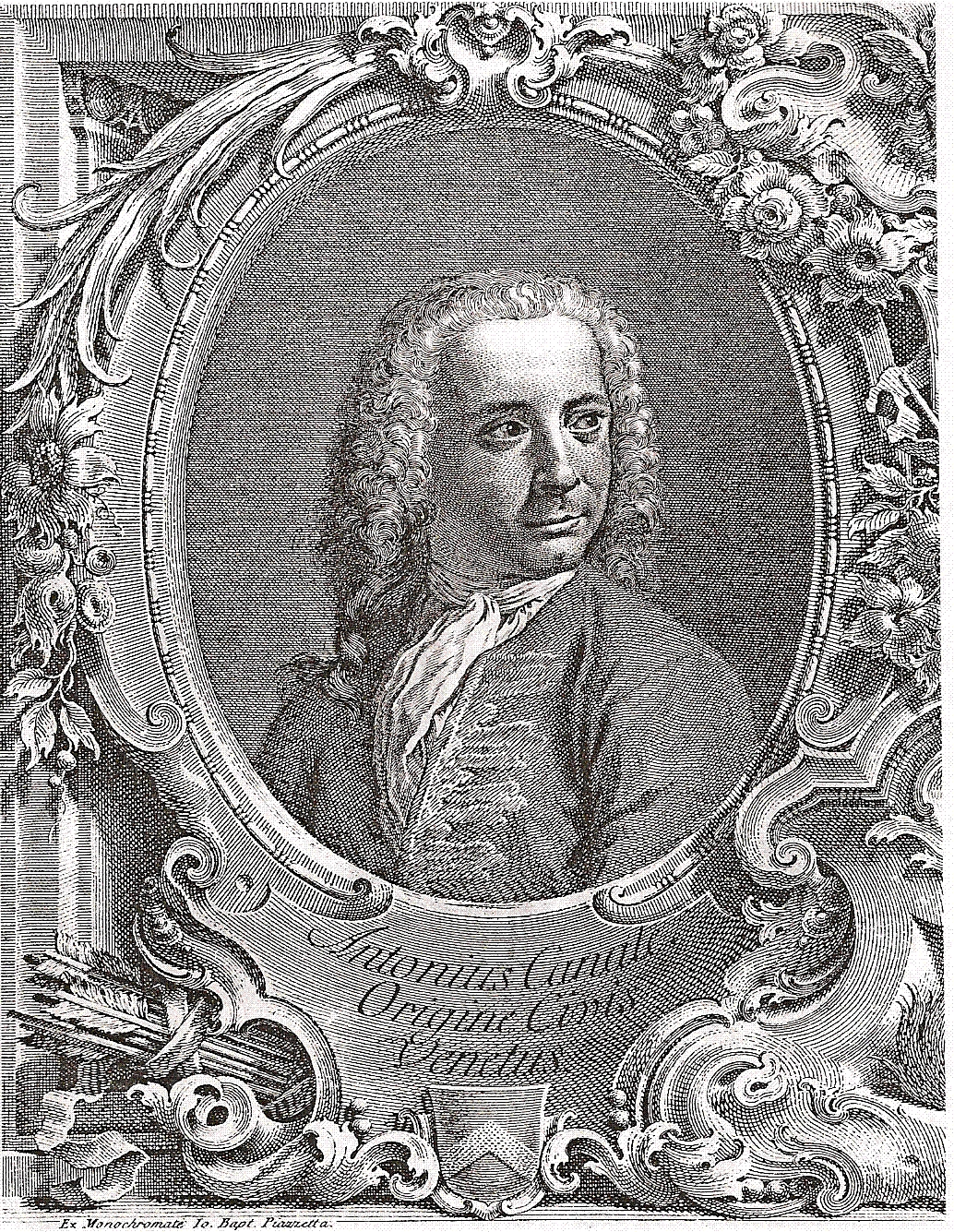
Giovanni Antonio Canal (18 October 1697 – 19 April 1768), commonly known as Canaletto (Italian: [kanaˈletto]), was an Italian painter from the Republic of Venice, considered an important member of the 18th-century Venetian school.
Painter of cityscapes or vedute, of Venice, Rome, and London, he also painted imaginary views (referred to as capricci), although the demarcation in his works between the real and the imaginary is never quite clearcut. He was further an important printmaker using the etching technique. In the period from 1746 to 1756, he worked in England, where he painted many views of London and other sites, including Warwick Castle and Alnwick Castle. He was highly successful in England, thanks to the British merchant and connoisseur Joseph "Consul" Smith, whose large collection of Canaletto's works was sold to King George III in 1762.
He was born in Venice as the son of the painter Bernardo Canal, hence his mononym Canaletto ("little Canal"), and Artemisia Barbieri. Canaletto served an apprenticeship with his father and his brother of a theatrical scene painter. In 1718, having already taken part in designing sets for operas by Fortunato Chelleri, Giovanni Porto and Antonio Vivaldi, Canaletto travelled to Rome. During his time in Rome, he worked with his father producing the scenery for two operas by the composer Alessandro Scarlatti, Tito Sempronio Greco and Turno Aricino which were performed at the Teatro Catranica during the carnival season of 1720.
Canaletto was inspired by the Roman vedutista Giovanni Paolo Pannini, and started painting the daily life of the city and its people.
After returning from Rome in 1719, he began painting in his topographical style. His first known signed and dated work is Architectural Capriccio (1723, Milan, in a private collection). Studying with the older Luca Carlevarijs, a well-regarded painter of urban cityscapes, he rapidly became his master's equal.
In 1725, the painter Alessandro Marchesini, who was also the buyer for the Lucchese art collector Stefano Conti, had inquired about buying two more 'views of Venice', when the agent urged him to consider instead the work of "Antonio Canale... it is like Carlevaris, but you can see the sun shining in it."
Much of Canaletto's early artwork was painted "from nature", differing from the then customary practice of completing paintings in the studio. Some of his later works do revert to this custom, as suggested by the tendency for distant figures to be painted as blobs of colour – an effect possibly produced by using a camera obscura, which blurs farther-away objects. Also, his paintings are always notable for their accuracy, an example being his recording of the seasonal submerging of Venice in water and ice. In particular, his precise use of correct perspective has led experts in the past to believe that much of the detail in his paintings had been achieved by tracing the image off a camera obscura. It is known that Canaletto owned a camera obscura, but several experts today are of the opinion that he may have taken some inspiration from it, rather than actually using it for accurate photorealistic tracing in preparation for his paintings.
Canaletto's early works remain his most coveted and, according to many authorities, his best. One of his early pieces is The Stonemason's Yard (c. 1725, the National Gallery, London) which depicts a humble working area of the city. It is regarded one of his finest works, and was presented by Sir George Beaumont in 1823 and 1828.
Canaletto
Giovanni Antonio Canal (18 October 1697 – 19 April 1768), commonly known as Canaletto (Italian: [kanaˈletto]), was an Italian painter from the Republic of Venice, considered an important member of the 18th-century Venetian school.
Painter of cityscapes or vedute, of Venice, Rome, and London, he also painted imaginary views (referred to as capricci), although the demarcation in his works between the real and the imaginary is never quite clearcut. He was further an important printmaker using the etching technique. In the period from 1746 to 1756, he worked in England, where he painted many views of London and other sites, including Warwick Castle and Alnwick Castle. He was highly successful in England, thanks to the British merchant and connoisseur Joseph "Consul" Smith, whose large collection of Canaletto's works was sold to King George III in 1762.
He was born in Venice as the son of the painter Bernardo Canal, hence his mononym Canaletto ("little Canal"), and Artemisia Barbieri. Canaletto served an apprenticeship with his father and his brother of a theatrical scene painter. In 1718, having already taken part in designing sets for operas by Fortunato Chelleri, Giovanni Porto and Antonio Vivaldi, Canaletto travelled to Rome. During his time in Rome, he worked with his father producing the scenery for two operas by the composer Alessandro Scarlatti, Tito Sempronio Greco and Turno Aricino which were performed at the Teatro Catranica during the carnival season of 1720.
Canaletto was inspired by the Roman vedutista Giovanni Paolo Pannini, and started painting the daily life of the city and its people.
After returning from Rome in 1719, he began painting in his topographical style. His first known signed and dated work is Architectural Capriccio (1723, Milan, in a private collection). Studying with the older Luca Carlevarijs, a well-regarded painter of urban cityscapes, he rapidly became his master's equal.
In 1725, the painter Alessandro Marchesini, who was also the buyer for the Lucchese art collector Stefano Conti, had inquired about buying two more 'views of Venice', when the agent urged him to consider instead the work of "Antonio Canale... it is like Carlevaris, but you can see the sun shining in it."
Much of Canaletto's early artwork was painted "from nature", differing from the then customary practice of completing paintings in the studio. Some of his later works do revert to this custom, as suggested by the tendency for distant figures to be painted as blobs of colour – an effect possibly produced by using a camera obscura, which blurs farther-away objects. Also, his paintings are always notable for their accuracy, an example being his recording of the seasonal submerging of Venice in water and ice. In particular, his precise use of correct perspective has led experts in the past to believe that much of the detail in his paintings had been achieved by tracing the image off a camera obscura. It is known that Canaletto owned a camera obscura, but several experts today are of the opinion that he may have taken some inspiration from it, rather than actually using it for accurate photorealistic tracing in preparation for his paintings.
Canaletto's early works remain his most coveted and, according to many authorities, his best. One of his early pieces is The Stonemason's Yard (c. 1725, the National Gallery, London) which depicts a humble working area of the city. It is regarded one of his finest works, and was presented by Sir George Beaumont in 1823 and 1828.
Recent media
Recent media