
Recent from talks
Career Girls Murders
Knowledge base stats:
Talk channels stats:
Members stats:
Career Girls Murders
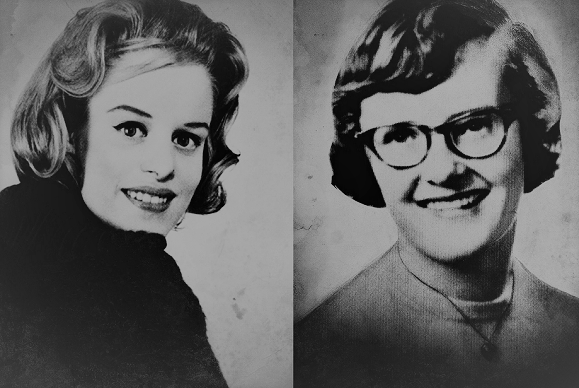
The "Career Girls Murders" was the name given by the American media to the murders of Emily Hoffert and Janice Wylie, which occurred inside their apartment on the Upper East Side of Manhattan, New York City, on August 28, 1963. George Whitmore Jr. was charged with this and other crimes, but he was later cleared.
The actions of the New York City Police Department (NYPD) led Whitmore to be improperly accused of this and other crimes, including the murder of Minnie Edmonds and the attempted rape and assault of Elba Borrero. Whitmore was wrongfully incarcerated for 1,216 days—from his arrest on April 24, 1964, until his release on bond on July 13, 1966, and from the revocation of his bond on February 28, 1972, until his exoneration on April 10, 1973. Whitmore's treatment by the authorities was cited as an example that led the United States Supreme Court to issue the guidelines known as the Miranda rights, with the Court calling Whitmore's case "the most conspicuous example" of police coercion in the country. The Court issued its 1966 ruling, establishing a set of protections for suspects—including the right to remain silent—in Miranda v. Arizona.
On the evening of August 28, 1963, 23-year-old Patricia Tolles, who worked at the book division at Time-Life, returned from work to her apartment on the third floor of 57 East 88th Street in Manhattan, New York City. There, Tolles found the apartment ransacked and a bloody knife in the bathroom. Panicked, she ran to the lobby and called Max Wylie, the father of her roommate, who lived nearby. Wylie came to investigate, and in one of the bedrooms he found the bodies of his daughter, Janice, aged 21, and her roommate, Emily Hoffert, aged 23, next to a bloodied bed by the windows. The women were tied together with strips of cloth and had been stabbed repeatedly with three knives from their own kitchen. Janice had been stabbed in the chest and lower abdomen, the latter wounds causing partial evisceration, while Emily had been knifed in the neck. Emily's body was fully clothed, but Janice's was nude and showed evidence of sexual assault.
Janice Wylie was the daughter of advertising executive and novelist Max Wylie and niece of author Philip Wylie, while Emily Hoffert was the daughter of a Minneapolis surgeon. Because both victims belonged to prominent families, the case created a press sensation. The media dubbed it the "Career Girls Murders" because Janice worked as a Newsweek researcher and Emily was a schoolteacher. As such, they were representative of the thousands of young women who had come from all over the United States to larger cities like New York to seek jobs and careers. Other women like them now felt unsafe, and the New York City Police Department (NYPD) came under pressure to solve the murders. Hundreds of detectives were assigned to the investigation and thousands of people were interviewed, but weeks passed with no arrests made.
Initially, detectives believed that one or both of the victims knew their killer. They felt the level of violence they found is usually an indication of a personal relationship with the victim. Janice had been stabbed through the heart and slashed in the abdomen so severely that her intestines bulged out, while Emily's neck had multiple gaping stab wounds. There were no signs of forced entry and the apartment, which was on the third floor of a nine-story building, was also guarded by a doorman. Though the apartment was in disarray, nothing appeared to be stolen, so robbery was not believed to be a motive. The victims were bound by their hands and feet and were tied back-to-back, with Janice nude and Emily dressed. Two bloody 10- to 12-inch carving knives with their blades broken were found next to the bodies and an additional knife was found in one of the two bathrooms.
Police theorized that Janice had been the killer's intended victim because she was found naked and had facial cream smeared in her genital area. Since Emily was fully clothed, they believed she had arrived during the attack on Janice and was killed as a witness. They surmised that the women were attacked and murdered in the bedroom where their bodies were discovered. They did not immediately release information regarding Janice's sexual assault. They instead told the press that it did not appear that either had been raped but allowed that an autopsy might reveal otherwise. They did disclose that the women had been slashed repeatedly in the neck and abdomen. The focus on interviewing people named in Janice's green address book did not lead to identifying a suspect. Newsweek, Janice's employer, offered a $10,000 reward to aid in the apprehension of a culprit.
The public at large initially believed that the attacks were against women who had careers, as both of the victims fit that profile. Women—particularly white women—were left to feel vulnerable despite their desire to gain freedom and independence through their careers. One year after the murders, Janice's father penned a handbook, Career Girl, Watch Your Step!, warning career women about safety and the need to be aware and "feel threatened" as a defense. Many other handbooks, aimed at the safety of single women, were issued by local police and public safety departments. These handbooks mostly emphasized the importance of prevention of the attacks, including having male protection and needing physical security.
In April 1964, Elba Borrero identified George Whitmore Jr., a 19-year-old day laborer, as the man who had attempted to rape her a few days prior; Borrero would later acknowledge that Whitmore was the only suspect police had shown her. When he was arrested, it was found that Whitmore was in possession of a photo of a white blonde woman. Brooklyn detectives Joe DiPrima and Edward Bulger jumped to the conclusion that the blonde in the photo was Janice, although her family later denied it. In reality the photo was that of Arlene Franco, a high school classmate of Whitmore, who had lost or discarded it in a park; Whitmore found it while scavenging in a landfill and for some reason decided to keep it in his wallet. Whitmore immediately became a suspect in the Career Girl Murders, and DiPrima and Bulger proceeded to interrogate him. Hours of leading questions eventually led Whitmore to confess.
Hub AI
Career Girls Murders AI simulator
(@Career Girls Murders_simulator)
Career Girls Murders
The "Career Girls Murders" was the name given by the American media to the murders of Emily Hoffert and Janice Wylie, which occurred inside their apartment on the Upper East Side of Manhattan, New York City, on August 28, 1963. George Whitmore Jr. was charged with this and other crimes, but he was later cleared.
The actions of the New York City Police Department (NYPD) led Whitmore to be improperly accused of this and other crimes, including the murder of Minnie Edmonds and the attempted rape and assault of Elba Borrero. Whitmore was wrongfully incarcerated for 1,216 days—from his arrest on April 24, 1964, until his release on bond on July 13, 1966, and from the revocation of his bond on February 28, 1972, until his exoneration on April 10, 1973. Whitmore's treatment by the authorities was cited as an example that led the United States Supreme Court to issue the guidelines known as the Miranda rights, with the Court calling Whitmore's case "the most conspicuous example" of police coercion in the country. The Court issued its 1966 ruling, establishing a set of protections for suspects—including the right to remain silent—in Miranda v. Arizona.
On the evening of August 28, 1963, 23-year-old Patricia Tolles, who worked at the book division at Time-Life, returned from work to her apartment on the third floor of 57 East 88th Street in Manhattan, New York City. There, Tolles found the apartment ransacked and a bloody knife in the bathroom. Panicked, she ran to the lobby and called Max Wylie, the father of her roommate, who lived nearby. Wylie came to investigate, and in one of the bedrooms he found the bodies of his daughter, Janice, aged 21, and her roommate, Emily Hoffert, aged 23, next to a bloodied bed by the windows. The women were tied together with strips of cloth and had been stabbed repeatedly with three knives from their own kitchen. Janice had been stabbed in the chest and lower abdomen, the latter wounds causing partial evisceration, while Emily had been knifed in the neck. Emily's body was fully clothed, but Janice's was nude and showed evidence of sexual assault.
Janice Wylie was the daughter of advertising executive and novelist Max Wylie and niece of author Philip Wylie, while Emily Hoffert was the daughter of a Minneapolis surgeon. Because both victims belonged to prominent families, the case created a press sensation. The media dubbed it the "Career Girls Murders" because Janice worked as a Newsweek researcher and Emily was a schoolteacher. As such, they were representative of the thousands of young women who had come from all over the United States to larger cities like New York to seek jobs and careers. Other women like them now felt unsafe, and the New York City Police Department (NYPD) came under pressure to solve the murders. Hundreds of detectives were assigned to the investigation and thousands of people were interviewed, but weeks passed with no arrests made.
Initially, detectives believed that one or both of the victims knew their killer. They felt the level of violence they found is usually an indication of a personal relationship with the victim. Janice had been stabbed through the heart and slashed in the abdomen so severely that her intestines bulged out, while Emily's neck had multiple gaping stab wounds. There were no signs of forced entry and the apartment, which was on the third floor of a nine-story building, was also guarded by a doorman. Though the apartment was in disarray, nothing appeared to be stolen, so robbery was not believed to be a motive. The victims were bound by their hands and feet and were tied back-to-back, with Janice nude and Emily dressed. Two bloody 10- to 12-inch carving knives with their blades broken were found next to the bodies and an additional knife was found in one of the two bathrooms.
Police theorized that Janice had been the killer's intended victim because she was found naked and had facial cream smeared in her genital area. Since Emily was fully clothed, they believed she had arrived during the attack on Janice and was killed as a witness. They surmised that the women were attacked and murdered in the bedroom where their bodies were discovered. They did not immediately release information regarding Janice's sexual assault. They instead told the press that it did not appear that either had been raped but allowed that an autopsy might reveal otherwise. They did disclose that the women had been slashed repeatedly in the neck and abdomen. The focus on interviewing people named in Janice's green address book did not lead to identifying a suspect. Newsweek, Janice's employer, offered a $10,000 reward to aid in the apprehension of a culprit.
The public at large initially believed that the attacks were against women who had careers, as both of the victims fit that profile. Women—particularly white women—were left to feel vulnerable despite their desire to gain freedom and independence through their careers. One year after the murders, Janice's father penned a handbook, Career Girl, Watch Your Step!, warning career women about safety and the need to be aware and "feel threatened" as a defense. Many other handbooks, aimed at the safety of single women, were issued by local police and public safety departments. These handbooks mostly emphasized the importance of prevention of the attacks, including having male protection and needing physical security.
In April 1964, Elba Borrero identified George Whitmore Jr., a 19-year-old day laborer, as the man who had attempted to rape her a few days prior; Borrero would later acknowledge that Whitmore was the only suspect police had shown her. When he was arrested, it was found that Whitmore was in possession of a photo of a white blonde woman. Brooklyn detectives Joe DiPrima and Edward Bulger jumped to the conclusion that the blonde in the photo was Janice, although her family later denied it. In reality the photo was that of Arlene Franco, a high school classmate of Whitmore, who had lost or discarded it in a park; Whitmore found it while scavenging in a landfill and for some reason decided to keep it in his wallet. Whitmore immediately became a suspect in the Career Girl Murders, and DiPrima and Bulger proceeded to interrogate him. Hours of leading questions eventually led Whitmore to confess.
Recent media