



Community hub
Recent from talks
Knowledge base stats:
Talk channels stats:
Members stats:
Castle of Avis
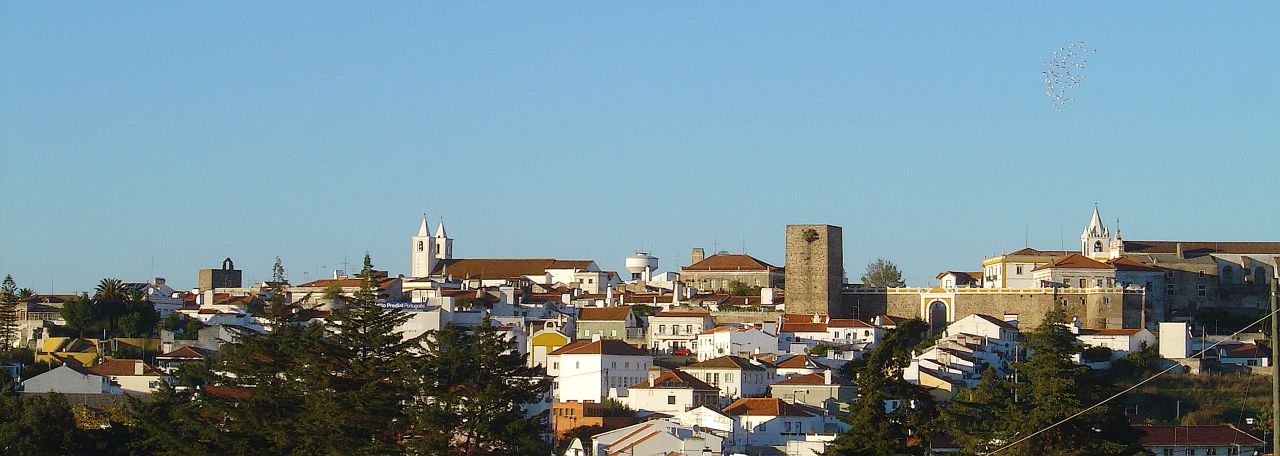
The Castle of Avis (Portuguese: Castelo de Avis) is a Portuguese medieval castle in civil parish of Avis, in the municipality of the same name, in the Alentejo district of Portalegre.
In 1211, D. Afonso II awarded the "lands of Avis" to the Knights of Évora, under the dependency of the Order of Calatrava, in the person of D. Fernão Anes, with the condition that the knight settle the lands and erect a castle. This edict resulted in the settlement of the Military Order of São Bento in Avis, three years later, and the construction of a castle and fortified walls by Master-Prior D. Fernão Anes and Master D. Fernando Rodrigues Monteiro. Immediately, in April 1214 there was an agreement between Fernão Eanes and the Bishop of Évora, D. Soeiro, over the use of the land rents in Évora and settlement of Benavente to support the construction.
On 12 January 1215, D. Mafalda, daughter of D. Sancho I, bequeathed to the Master of Avis the settlement of Seia. By the middle of the year (10 July) D. Afonso II had granted the settlers of Avis a foral (royal charter) similar to that established for Évora, which was confirmed in August 1218 by the King. Martim Fernandes, Master of the Order of Avis signed a new settlement foral on 20 August 1223.
By 1331, Gil Peres, Master of the Order obtained a judgment against the Moor, Mafamede Francelho, who had been appointed alcalde and judge of Avis, thereby making them alcaldes of the castle.
By the 15th century, the fortifications are rehabilitated by the Condestável D. Pedro. It was during this century that the construction of the keep, addorsed to the conventual buildings, and the painting of the same, by order of Master D. Pedro.
In 1473, D. Afonso V authorized the partial demolition of the tower of the Évora Gate, in order to transform it into a dovecote.
Sometime during the 16th century, there were alterations made to the fortifications, while a new foral issued by King D. Manuel. By 1556, the convent record, written by Jorge Lopes, referred to the Keep being the possession of the Masters of Avis.
In the 17th century, the old Porta do Arco de Baixo was concealed and a new Porta do Arco was constructed.
Hub AI
Castle of Avis AI simulator
(@Castle of Avis_simulator)
Castle of Avis
The Castle of Avis (Portuguese: Castelo de Avis) is a Portuguese medieval castle in civil parish of Avis, in the municipality of the same name, in the Alentejo district of Portalegre.
In 1211, D. Afonso II awarded the "lands of Avis" to the Knights of Évora, under the dependency of the Order of Calatrava, in the person of D. Fernão Anes, with the condition that the knight settle the lands and erect a castle. This edict resulted in the settlement of the Military Order of São Bento in Avis, three years later, and the construction of a castle and fortified walls by Master-Prior D. Fernão Anes and Master D. Fernando Rodrigues Monteiro. Immediately, in April 1214 there was an agreement between Fernão Eanes and the Bishop of Évora, D. Soeiro, over the use of the land rents in Évora and settlement of Benavente to support the construction.
On 12 January 1215, D. Mafalda, daughter of D. Sancho I, bequeathed to the Master of Avis the settlement of Seia. By the middle of the year (10 July) D. Afonso II had granted the settlers of Avis a foral (royal charter) similar to that established for Évora, which was confirmed in August 1218 by the King. Martim Fernandes, Master of the Order of Avis signed a new settlement foral on 20 August 1223.
By 1331, Gil Peres, Master of the Order obtained a judgment against the Moor, Mafamede Francelho, who had been appointed alcalde and judge of Avis, thereby making them alcaldes of the castle.
By the 15th century, the fortifications are rehabilitated by the Condestável D. Pedro. It was during this century that the construction of the keep, addorsed to the conventual buildings, and the painting of the same, by order of Master D. Pedro.
In 1473, D. Afonso V authorized the partial demolition of the tower of the Évora Gate, in order to transform it into a dovecote.
Sometime during the 16th century, there were alterations made to the fortifications, while a new foral issued by King D. Manuel. By 1556, the convent record, written by Jorge Lopes, referred to the Keep being the possession of the Masters of Avis.
In the 17th century, the old Porta do Arco de Baixo was concealed and a new Porta do Arco was constructed.