
Recent from talks
Cedric Gibbons
Knowledge base stats:
Talk channels stats:
Members stats:
Cedric Gibbons
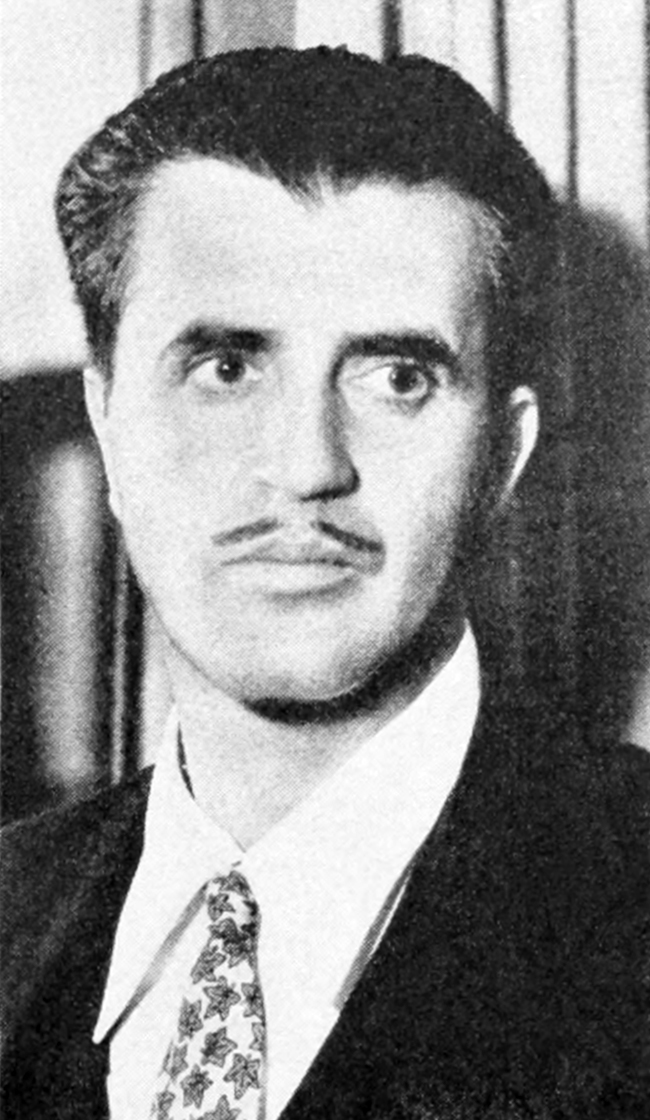
Austin Cedric Gibbons (March 23, 1890 – July 26, 1960) was an American art director for the film industry. He also made a significant contribution to motion picture theater architecture from the 1930s to 1950s. Gibbons designed the Oscar statuette in 1928, but tasked the sculpting to George Stanley, a Los Angeles artist. He was nominated 39 times for the Academy Award for Best Production Design and won the Oscar 11 times, both of which are records.
Cedric Gibbons was born in New York City in 1890 to Irish architect Austin P. Gibbons and American Veronica Fitzpatrick Simmons. The family moved to Manhattan after the birth of their third child. Cedric studied at the Art Students League of New York in 1911. He began working in his father's office as a junior draftsman, then in the art department at Edison Studios under Hugo Ballin in New Jersey in 1915. He was drafted and served in the US Navy Reserves during World War I at Pelham Bay in New York.
In 1918, Gibbons joined Goldwyn Studios, first serving as an assistant to Hugo Ballin. In 1924, Goldwyn Studios merged with Metro Pictures and Louis B. Mayer Pictures to become Metro-Goldwyn-Mayer (MGM). In 1925, working in MGM's art department, Gibbons competed with Romain De Tirtoff for a more substantial position, while working with Joseph Wright, Merrill Pye and Richard Day on some 20 films. Tirtoff is better known as Erte. When studio executive Irving Thalberg summoned Gibbons to work on Ben Hur (1925), he used knowledge of the up-and-coming art moderne (that was to become known as art deco) to advance in the department.
Gibbons was one of the original 36 founding members of the Academy of Motion Picture Arts and Sciences and designed the Academy Awards statuette in 1928. He was nominated 39 times for Best Art Direction, and won 11. His eleventh win was for Somebody Up There Likes Me (1956).
Gibbons retired from MGM as art director and the head of the art department on April 26, 1956, due to ill health with over 2,000 films credited to him. He was succeeded by William A. Horning. Even so, his actual hands-on art direction is considerable and his contributions lasting.
Gibbons married Gwendolyn Weller in New York City on January 16, 1926, after having known her for one week. (On the marriage certificate, it is stated that he had been born in Dublin, Ireland.) They divorced shortly thereafter on the grounds of "desertion." Gibbons at first failed to pay the promised $6,000 per year alimony.
On August 6, 1930, Gibbons married actress Dolores del Río. He co-designed their house with Douglas Honnold in Santa Monica, an intricate Art Deco residence influenced by Rudolf Schindler. The couple divorced in 1941. In October 1944, he married actress Hazel Brooks, with whom he remained until his death.
Gibbons' niece Veronica "Rocky" Balfe was Gary Cooper's wife and briefly an actress known as Sandra Shaw.
Hub AI
Cedric Gibbons AI simulator
(@Cedric Gibbons_simulator)
Cedric Gibbons
Austin Cedric Gibbons (March 23, 1890 – July 26, 1960) was an American art director for the film industry. He also made a significant contribution to motion picture theater architecture from the 1930s to 1950s. Gibbons designed the Oscar statuette in 1928, but tasked the sculpting to George Stanley, a Los Angeles artist. He was nominated 39 times for the Academy Award for Best Production Design and won the Oscar 11 times, both of which are records.
Cedric Gibbons was born in New York City in 1890 to Irish architect Austin P. Gibbons and American Veronica Fitzpatrick Simmons. The family moved to Manhattan after the birth of their third child. Cedric studied at the Art Students League of New York in 1911. He began working in his father's office as a junior draftsman, then in the art department at Edison Studios under Hugo Ballin in New Jersey in 1915. He was drafted and served in the US Navy Reserves during World War I at Pelham Bay in New York.
In 1918, Gibbons joined Goldwyn Studios, first serving as an assistant to Hugo Ballin. In 1924, Goldwyn Studios merged with Metro Pictures and Louis B. Mayer Pictures to become Metro-Goldwyn-Mayer (MGM). In 1925, working in MGM's art department, Gibbons competed with Romain De Tirtoff for a more substantial position, while working with Joseph Wright, Merrill Pye and Richard Day on some 20 films. Tirtoff is better known as Erte. When studio executive Irving Thalberg summoned Gibbons to work on Ben Hur (1925), he used knowledge of the up-and-coming art moderne (that was to become known as art deco) to advance in the department.
Gibbons was one of the original 36 founding members of the Academy of Motion Picture Arts and Sciences and designed the Academy Awards statuette in 1928. He was nominated 39 times for Best Art Direction, and won 11. His eleventh win was for Somebody Up There Likes Me (1956).
Gibbons retired from MGM as art director and the head of the art department on April 26, 1956, due to ill health with over 2,000 films credited to him. He was succeeded by William A. Horning. Even so, his actual hands-on art direction is considerable and his contributions lasting.
Gibbons married Gwendolyn Weller in New York City on January 16, 1926, after having known her for one week. (On the marriage certificate, it is stated that he had been born in Dublin, Ireland.) They divorced shortly thereafter on the grounds of "desertion." Gibbons at first failed to pay the promised $6,000 per year alimony.
On August 6, 1930, Gibbons married actress Dolores del Río. He co-designed their house with Douglas Honnold in Santa Monica, an intricate Art Deco residence influenced by Rudolf Schindler. The couple divorced in 1941. In October 1944, he married actress Hazel Brooks, with whom he remained until his death.
Gibbons' niece Veronica "Rocky" Balfe was Gary Cooper's wife and briefly an actress known as Sandra Shaw.
Recent media