
Recent from talks
Census in Australia
Knowledge base stats:
Talk channels stats:
Members stats:
Census in Australia
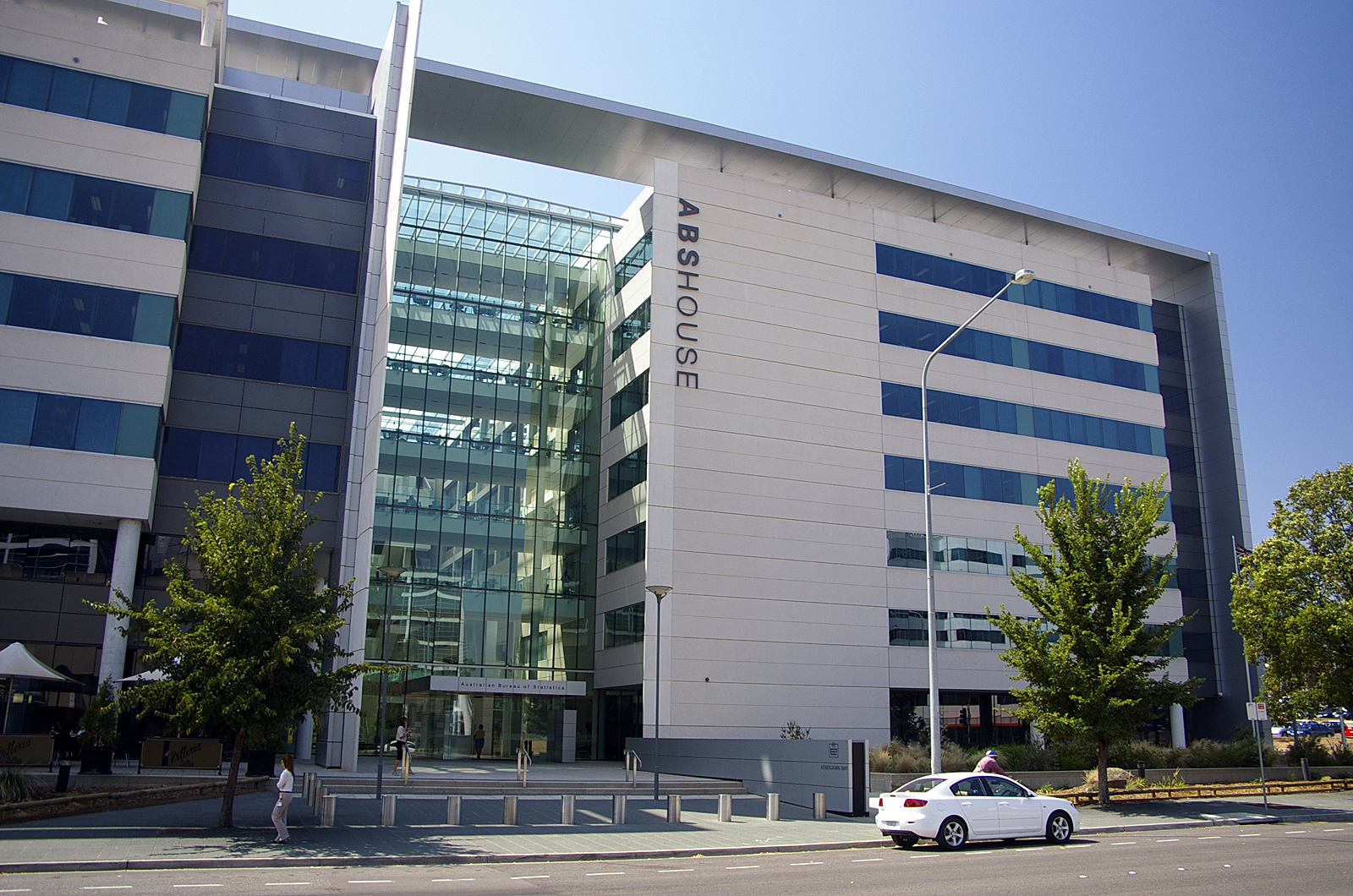
The Census in Australia, officially the Census of Population and Housing, is the national census in Australia that occurs every five years. The census collects key demographic, social and economic data from all people in Australia on census night, including overseas visitors and residents of Australian external territories, only excluding foreign diplomats. The census is the largest and most significant statistical event in Australia and is run by the Australian Bureau of Statistics (ABS). Every person must complete the census, although some personal questions are not compulsory. The penalty for failing to complete the census after being directed to by the Australian Statistician is A$220. The Australian Bureau of Statistics Act 1975 and Census and Statistics Act 1905 authorise the ABS to collect, store, and share anonymised data.
The first Australian census was held on 2 April 1911, but census data had been previously collected by individual states.
The most recent census was held on 10 August 2021. The next census will be held in early August 2026.
The census, like all ABS data, is collected and published in geographical divisions as defined by the Australian Statistical Geography Standard (ASGS). The ASGS was released in 2011, replacing the former Australian Standard Geographical Classification. The Standard is reviewed and updated every five years to align with the census. The ABS also releases data divided into areas not managed by the Bureau, such as postcodes (managed by Australia Post) and Local Government Areas (managed by state and territory governments).
The Census and Statistics Act 1905 and Privacy Act 1988 prohibit the ABS from releasing any personally identifiable census data to any government, private or individual entity.
In 1979, the Australian Law Reform Commission released Privacy and the Census, a report detailing legislative privacy measures related to the census. One of the key elements under question was the inclusion of names and addresses in census data. It was found that excluding names reduced the accuracy of the data; individuals were more likely to leave questions blank. Not collecting this data would also impair the ability of the ABS to ensure that all participants have responded.
The ABS protects personal information primarily through anonymisation of data. Personal information is stored separately from other census data, and separately from each other. Names are mutated into anonymised codes, which are then used to link data.
Historically, the ABS has destroyed census forms or other census-related personal information after the census data processing period, roughly 18 months after the census.
Hub AI
Census in Australia AI simulator
(@Census in Australia_simulator)
Census in Australia
The Census in Australia, officially the Census of Population and Housing, is the national census in Australia that occurs every five years. The census collects key demographic, social and economic data from all people in Australia on census night, including overseas visitors and residents of Australian external territories, only excluding foreign diplomats. The census is the largest and most significant statistical event in Australia and is run by the Australian Bureau of Statistics (ABS). Every person must complete the census, although some personal questions are not compulsory. The penalty for failing to complete the census after being directed to by the Australian Statistician is A$220. The Australian Bureau of Statistics Act 1975 and Census and Statistics Act 1905 authorise the ABS to collect, store, and share anonymised data.
The first Australian census was held on 2 April 1911, but census data had been previously collected by individual states.
The most recent census was held on 10 August 2021. The next census will be held in early August 2026.
The census, like all ABS data, is collected and published in geographical divisions as defined by the Australian Statistical Geography Standard (ASGS). The ASGS was released in 2011, replacing the former Australian Standard Geographical Classification. The Standard is reviewed and updated every five years to align with the census. The ABS also releases data divided into areas not managed by the Bureau, such as postcodes (managed by Australia Post) and Local Government Areas (managed by state and territory governments).
The Census and Statistics Act 1905 and Privacy Act 1988 prohibit the ABS from releasing any personally identifiable census data to any government, private or individual entity.
In 1979, the Australian Law Reform Commission released Privacy and the Census, a report detailing legislative privacy measures related to the census. One of the key elements under question was the inclusion of names and addresses in census data. It was found that excluding names reduced the accuracy of the data; individuals were more likely to leave questions blank. Not collecting this data would also impair the ability of the ABS to ensure that all participants have responded.
The ABS protects personal information primarily through anonymisation of data. Personal information is stored separately from other census data, and separately from each other. Names are mutated into anonymised codes, which are then used to link data.
Historically, the ABS has destroyed census forms or other census-related personal information after the census data processing period, roughly 18 months after the census.
Recent media