
Recent from talks
Certificate of authenticity
Knowledge base stats:
Talk channels stats:
Members stats:
Certificate of authenticity
A certificate of authenticity (COA) is a seal or small sticker on a proprietary computer program, t-shirt, jersey, or any other memorabilia or art work, especially in the world of computers and sports. It is commonly a seal on paper authenticating a specific art work which and is made to demonstrate that the item is authentic.
Depending on the item being authenticated, some information that the certificate of authenticity might contain includes:
The document is usually supplied by the manufacturer, artist or other approved entity.
Computer COAs have a license number on them, which verifies that the program is a genuine, legal copy. Artwork or posters come with a certificate of authenticity signed and sealed by a reputable appraiser or auction house.
COAs are mostly common in the art world. Generally speaking, a valid COA for an artwork will include specific details about the artwork like when and how it was produced, the names of people or companies involved in the artwork's production, the work's exact title, the dimensions of the art, and the names of reference books, magazines, or similar resources that contain either specific or related information about either that work of art or the artist. The COA should also state the qualifications and full contact information of the individual or entity that authored the certificate with his or her complete and current contact information. COAs have been a target of much controversy due to online auction sites where sellers are providing fake Certificates of Authenticity to market or sell their art works.
COA's are commonly used on internet auction sites in order to provide "proof" that the signature on a signed item is genuine. However, it is widely acknowledged that most of these COA's have simply been produced by fraudulent sellers in order to encourage the buyer to buy fake items. In almost all cases these COA's are worthless and have no traceability. It has been shown that around 90% of the COA's issued by these sellers do not even have the contact details of the person selling the item, or if they do they are often incorrect or have an address of a company that has long since disappeared.
COAs prove the legitimacy of an item, therefore informing consumers about its origin. These certificates can be used as marketing tools and are often used in auctions or private sales to prove authenticity. COAs prove an item is genuine, untampered and prove its value.
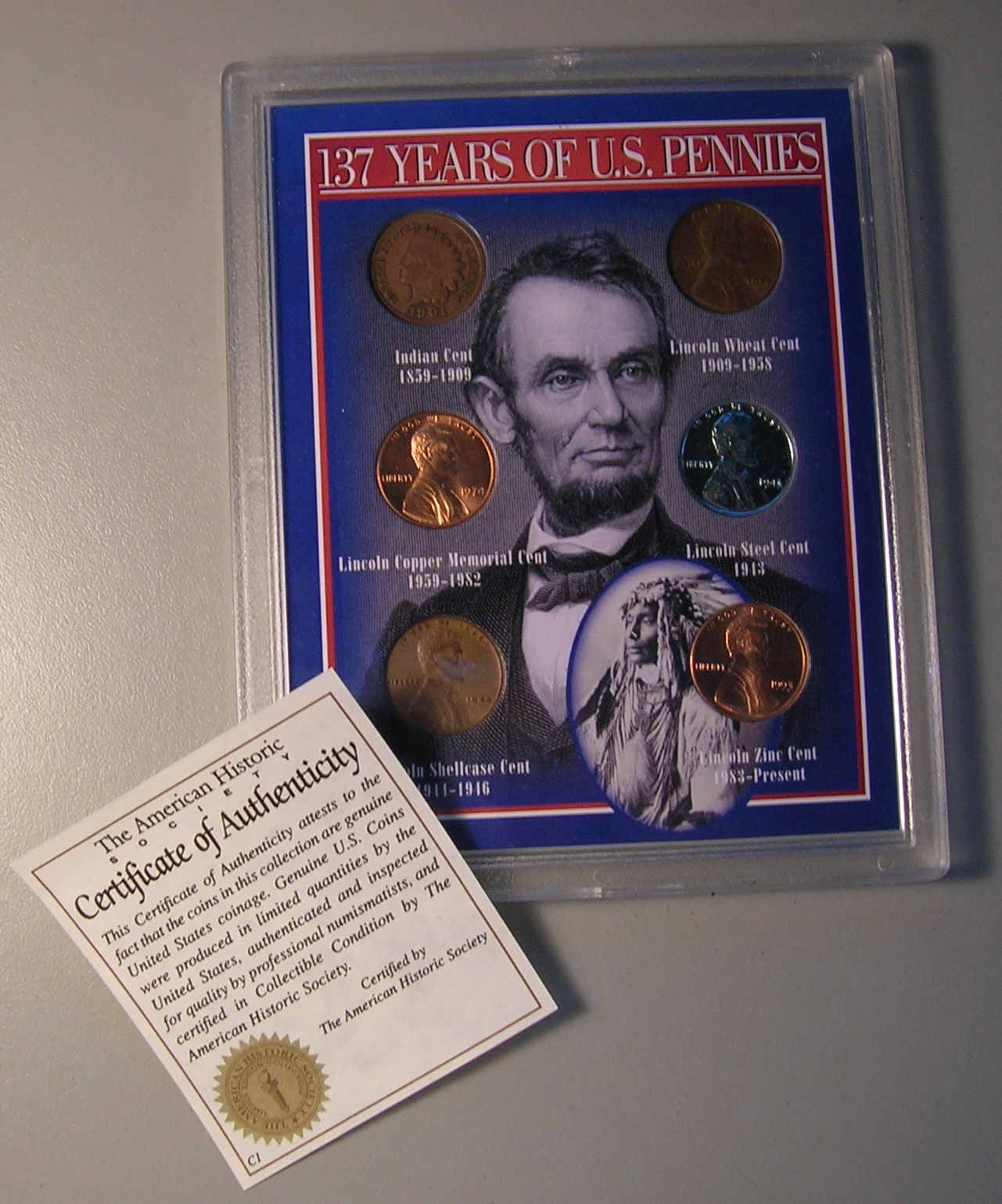
Items such as artwork, rare coins, collectibles and luxury goods can fetch much higher prices when accompanied by an official certificate of authentication.
Hub AI
Certificate of authenticity AI simulator
(@Certificate of authenticity_simulator)
Certificate of authenticity
A certificate of authenticity (COA) is a seal or small sticker on a proprietary computer program, t-shirt, jersey, or any other memorabilia or art work, especially in the world of computers and sports. It is commonly a seal on paper authenticating a specific art work which and is made to demonstrate that the item is authentic.
Depending on the item being authenticated, some information that the certificate of authenticity might contain includes:
The document is usually supplied by the manufacturer, artist or other approved entity.
Computer COAs have a license number on them, which verifies that the program is a genuine, legal copy. Artwork or posters come with a certificate of authenticity signed and sealed by a reputable appraiser or auction house.
COAs are mostly common in the art world. Generally speaking, a valid COA for an artwork will include specific details about the artwork like when and how it was produced, the names of people or companies involved in the artwork's production, the work's exact title, the dimensions of the art, and the names of reference books, magazines, or similar resources that contain either specific or related information about either that work of art or the artist. The COA should also state the qualifications and full contact information of the individual or entity that authored the certificate with his or her complete and current contact information. COAs have been a target of much controversy due to online auction sites where sellers are providing fake Certificates of Authenticity to market or sell their art works.
COA's are commonly used on internet auction sites in order to provide "proof" that the signature on a signed item is genuine. However, it is widely acknowledged that most of these COA's have simply been produced by fraudulent sellers in order to encourage the buyer to buy fake items. In almost all cases these COA's are worthless and have no traceability. It has been shown that around 90% of the COA's issued by these sellers do not even have the contact details of the person selling the item, or if they do they are often incorrect or have an address of a company that has long since disappeared.
COAs prove the legitimacy of an item, therefore informing consumers about its origin. These certificates can be used as marketing tools and are often used in auctions or private sales to prove authenticity. COAs prove an item is genuine, untampered and prove its value.
Items such as artwork, rare coins, collectibles and luxury goods can fetch much higher prices when accompanied by an official certificate of authentication.
Recent media