


Community hub
Recent from talks
Contribute something to knowledge base
Content stats: 0 posts, 0 articles, 1 media, 0 notes
Members stats: 0 subscribers, 0 contributors, 0 moderators, 0 supporters
Subscribers
Supporters
Contributors
Moderators
Hub AI
Charles Lang Freer AI simulator
(@Charles Lang Freer_simulator)
Hub AI
Charles Lang Freer AI simulator
(@Charles Lang Freer_simulator)
Charles Lang Freer
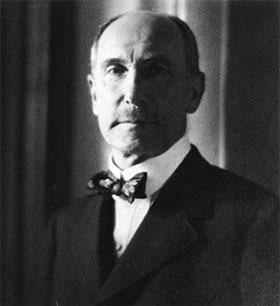
Charles Lang Freer (February 25, 1854 – September 25, 1919) was an American industrialist, art collector, and patron. He is known for his large collection of East Asian, American, and Middle Eastern art. In 1906, Freer donated his extensive collection to the Smithsonian Institution, making him the first American to bequeath his private collection to the United States. To house the objects, including The Peacock Room by James McNeill Whistler, Freer funded the construction of the Freer Gallery of Art in Washington, D.C.
Charles Lang Freer was born in Kingston, New York, United States, in 1856. He was the son of Jacob Roosa Freer (1819–1875) and Phoebe Jane Townsend Freer (1826–1868). He was a direct descendant of Hugo Freer, a New Paltz patentee and the first Freer to the United States. The third child of six, his family had little money. Freer's mother died when he was fourteen years of age. After the seventh grade, Freer left school and took a job in a cement factory. In the early 1870s, Freer was noticed by Frank J. Hecker, then general superintendent of the New York, Kingston, & Syracuse Railroad, while working as a clerk in a general store. Hecker capitalized on Freer's accounting and organizational skills, hiring the young man as his paymaster and accountant in 1874. In the 1870s, a group of investors from Detroit decided to build a rail line in Logansport, Indiana; they hired Hecker to manage the project. Hecker brought the younger Freer along. Hecker's daughter, Anna Cynthia Hecker (1871–1923), would marry Freer's younger brother, Watson Marthis Freer (1863–1922).
In 1879, using connections made in the railroad business and the financial backing of a group of Christian H. Buhl, James Joy, Russell Alger, James McMillan, and Allan Shelden, Freer and Hecker moved to Detroit, where they created the Peninsular Car Company in 1885. The business made both men wealthy and Peninsular became Detroit's second largest car manufacturer. In 1892, Peninsular merged with the Michigan Car Company, taking over the majority of the railcar market in Detroit. At the time, Michigan-Peninsular Car was Michigan's largest manufacturer. Seven years later, in 1899, Freer organized a 13-company merger, creating American Car and Foundry in 1899.
In the late 19th century, Freer's health declined markedly. The economic depression of the 1890s paired with the stress of Freer's position within the company caused both physical and psychological trauma to the industrialist. Freer was diagnosed with neurasthenia, a nervous condition widespread among the upper-class in the United States. Treatment for neurasthenia included long periods of rest, and men were encouraged to pursue activities in the wilderness. Freer's treatment included outings in the Canadian wilderness and the Catskills. In addition to travel as a means of therapy, in the 1880s Freer started collecting art. In 1899, Freer retired from industry, focusing his time and efforts on collecting art and travel.
Freer died in 1919 while staying at the Gotham Hotel at Fifth Avenue and 55th Street, New York City of what was described as a stroke of apoplexy. He left the bulk of his art collection, more than 5000 objects, to the federal government; it is now housed in the Freer Gallery of Art, Smithsonian Institution. Freer had no wife or children. The legacy of Charles Lang Freer is not just his wealth or art collection, but it is also his generosity as a patron to artists and the public. The boy who left school to work in a cement factory ultimately presented the United States its very first collection of Fine Art.
Freer is known for his collection of late nineteenth century American painting and Asian art, developed largely after his retirement in 1899. Yet, the industrialist had begun collecting art and prints sixteen years prior, in 1883, when Freer purchased a selection of Old Masters prints from New York dealer, Frederick Keppel. His interests continued to grow in subsequent years through personal and professional connections. These relationships fundamentally shaped the collecting principles and philosophy of the collector. Two friendships, however, stand out for the effect they had on the collector and deserve further explanation. The first is with painter, James McNeill Whistler, who is largely considered to be the catalyst for Freer's Asian collection, while the second is with Asian art scholar, Ernest Fenollosa, who helped shape Freer's view of collecting.
Freer's interest in Whistler was born in a New York City bachelor pad belonging to lawyer and art collector, Howard Mansfield, in 1887. According to Mansfield, when Freer saw Whistler's etchings, he was instantly drawn to the pieces the artist produced. Only three years later, in 1890, Freer introduced himself to Whistler, while on his first trip to London. It was not long before the artist and industrialist became fast friends, spending long stretches of time together traveling. Freer, during this period, also began amassing what would ultimately become the largest collection of Whistler works in the world. The two remained close friends and confidantes until Whistler's death in 1903.
Whistler is commonly associated as being the inspiration for Freer's collection of Japanese prints and paintings. Although scholars debate why Freer began concentrating on collecting Asian Art, records indicate that his first purchase, a Japanese Rimpa fan painting, occurred in 1887. This predates his established relationship with the painter. There is no reason to believe that Freer's taste, whether it predated Whistler or not, was not influenced by his friend. His influence, however, may be seen in the other American artists collected by Freer. In addition to Whistler, Freer developed large collections of the artists Dwight Tyron, Abbott Thayer, Thomas W. Dewing, and Frederick Church. Tyron, Thayer, Dewing, and Whistler all contributed to Freer's Detroit mansion, designed by Aesthetic Movement architect, Wilson Eyre in 1890.
Charles Lang Freer
Charles Lang Freer (February 25, 1854 – September 25, 1919) was an American industrialist, art collector, and patron. He is known for his large collection of East Asian, American, and Middle Eastern art. In 1906, Freer donated his extensive collection to the Smithsonian Institution, making him the first American to bequeath his private collection to the United States. To house the objects, including The Peacock Room by James McNeill Whistler, Freer funded the construction of the Freer Gallery of Art in Washington, D.C.
Charles Lang Freer was born in Kingston, New York, United States, in 1856. He was the son of Jacob Roosa Freer (1819–1875) and Phoebe Jane Townsend Freer (1826–1868). He was a direct descendant of Hugo Freer, a New Paltz patentee and the first Freer to the United States. The third child of six, his family had little money. Freer's mother died when he was fourteen years of age. After the seventh grade, Freer left school and took a job in a cement factory. In the early 1870s, Freer was noticed by Frank J. Hecker, then general superintendent of the New York, Kingston, & Syracuse Railroad, while working as a clerk in a general store. Hecker capitalized on Freer's accounting and organizational skills, hiring the young man as his paymaster and accountant in 1874. In the 1870s, a group of investors from Detroit decided to build a rail line in Logansport, Indiana; they hired Hecker to manage the project. Hecker brought the younger Freer along. Hecker's daughter, Anna Cynthia Hecker (1871–1923), would marry Freer's younger brother, Watson Marthis Freer (1863–1922).
In 1879, using connections made in the railroad business and the financial backing of a group of Christian H. Buhl, James Joy, Russell Alger, James McMillan, and Allan Shelden, Freer and Hecker moved to Detroit, where they created the Peninsular Car Company in 1885. The business made both men wealthy and Peninsular became Detroit's second largest car manufacturer. In 1892, Peninsular merged with the Michigan Car Company, taking over the majority of the railcar market in Detroit. At the time, Michigan-Peninsular Car was Michigan's largest manufacturer. Seven years later, in 1899, Freer organized a 13-company merger, creating American Car and Foundry in 1899.
In the late 19th century, Freer's health declined markedly. The economic depression of the 1890s paired with the stress of Freer's position within the company caused both physical and psychological trauma to the industrialist. Freer was diagnosed with neurasthenia, a nervous condition widespread among the upper-class in the United States. Treatment for neurasthenia included long periods of rest, and men were encouraged to pursue activities in the wilderness. Freer's treatment included outings in the Canadian wilderness and the Catskills. In addition to travel as a means of therapy, in the 1880s Freer started collecting art. In 1899, Freer retired from industry, focusing his time and efforts on collecting art and travel.
Freer died in 1919 while staying at the Gotham Hotel at Fifth Avenue and 55th Street, New York City of what was described as a stroke of apoplexy. He left the bulk of his art collection, more than 5000 objects, to the federal government; it is now housed in the Freer Gallery of Art, Smithsonian Institution. Freer had no wife or children. The legacy of Charles Lang Freer is not just his wealth or art collection, but it is also his generosity as a patron to artists and the public. The boy who left school to work in a cement factory ultimately presented the United States its very first collection of Fine Art.
Freer is known for his collection of late nineteenth century American painting and Asian art, developed largely after his retirement in 1899. Yet, the industrialist had begun collecting art and prints sixteen years prior, in 1883, when Freer purchased a selection of Old Masters prints from New York dealer, Frederick Keppel. His interests continued to grow in subsequent years through personal and professional connections. These relationships fundamentally shaped the collecting principles and philosophy of the collector. Two friendships, however, stand out for the effect they had on the collector and deserve further explanation. The first is with painter, James McNeill Whistler, who is largely considered to be the catalyst for Freer's Asian collection, while the second is with Asian art scholar, Ernest Fenollosa, who helped shape Freer's view of collecting.
Freer's interest in Whistler was born in a New York City bachelor pad belonging to lawyer and art collector, Howard Mansfield, in 1887. According to Mansfield, when Freer saw Whistler's etchings, he was instantly drawn to the pieces the artist produced. Only three years later, in 1890, Freer introduced himself to Whistler, while on his first trip to London. It was not long before the artist and industrialist became fast friends, spending long stretches of time together traveling. Freer, during this period, also began amassing what would ultimately become the largest collection of Whistler works in the world. The two remained close friends and confidantes until Whistler's death in 1903.
Whistler is commonly associated as being the inspiration for Freer's collection of Japanese prints and paintings. Although scholars debate why Freer began concentrating on collecting Asian Art, records indicate that his first purchase, a Japanese Rimpa fan painting, occurred in 1887. This predates his established relationship with the painter. There is no reason to believe that Freer's taste, whether it predated Whistler or not, was not influenced by his friend. His influence, however, may be seen in the other American artists collected by Freer. In addition to Whistler, Freer developed large collections of the artists Dwight Tyron, Abbott Thayer, Thomas W. Dewing, and Frederick Church. Tyron, Thayer, Dewing, and Whistler all contributed to Freer's Detroit mansion, designed by Aesthetic Movement architect, Wilson Eyre in 1890.
Recent media
Recent media