



Community hub
Recent from talks
Knowledge base stats:
Talk channels stats:
Members stats:
Charlie Daniels
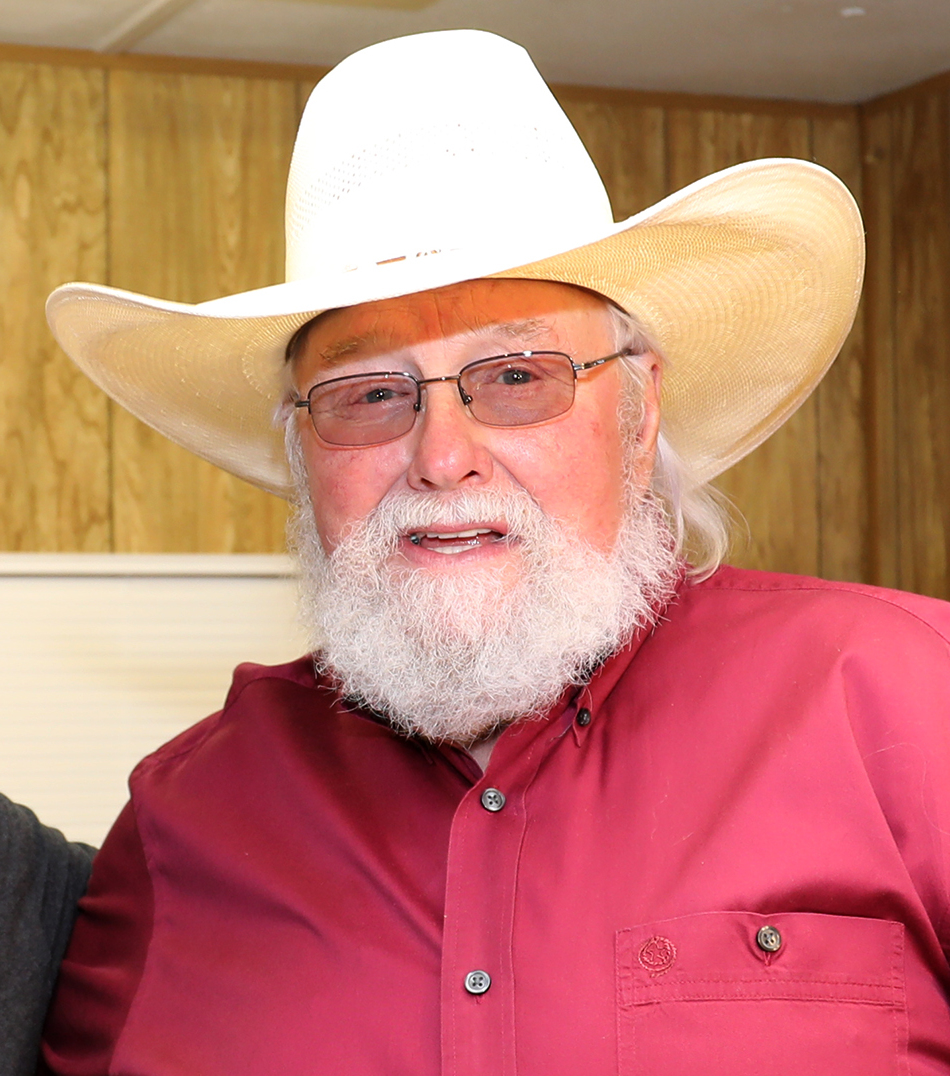
Charles Edward Daniels (October 28, 1936 – July 6, 2020) was an American singer, musician and songwriter. His music fused rock, country, blues and jazz and was a pioneering contribution to Southern rock and progressive country. He was best known for his number-one country hit "The Devil Went Down to Georgia". Much of his output, including all but one of his eight Billboard Hot 100 charting singles, was credited to the Charlie Daniels Band.
Daniels was active as a singer and musician from the 1950s until his death in 2020. He was inducted into the Cheyenne Frontier Days Hall of Fame in 2002, the Grand Ole Opry in 2008, the Musicians Hall of Fame and Museum in 2009 and the Country Music Hall of Fame in 2016.
Charles Edward Daniels was born October 28, 1936, in Wilmington, North Carolina, to teenage parents William and LaRue Daniel. The "s" in Daniels's name was added by mistake when his birth certificate was filled out. Two weeks after Daniels had begun to attend elementary school, his family moved to Valdosta, Georgia, commuting between Valdosta and Elizabethtown, North Carolina, before moving back to Wilmington. After enduring measles, Daniels would require glasses to see for most of his life afterward, which led to his being bullied by other children at his school. Despite these challenges, Daniels found inspiration in Pentecostal gospel music, local bluegrass groups, and rhythm and blues artists he heard on the radio. Additionally, Western films sparked his imagination and creativity. These early influences motivated him to start writing and performing songs, laying the foundation for his future musical career.
Daniels began his music career as a member of the bluegrass band Misty Mountain Boys in the 1950s, already skilled on guitar, fiddle, banjo, and mandolin, In the 1960s, Daniels was performing rock and roll. Daniels formed a band, the Rockets, who later changed its name to the Jaguars after scoring a hit single with the instrumental recording "Jaguar". After discovering jazz, the Jaguars began performing jazz music, before reverting to rock and country music by 1964.
Daniels lent his talents to the bass guitar playing, arrangement and co-production of a single, "Love" bw "Black Olives" by The Bad Boys which was released on the Paula Records label in 1966. It became an R&B hit, first registering on the Cash Box Top 50 in R&B Locations chart on 17 December 1966, and still active on the Cash Box Looking Ahead chart 18 March 1967. where it peaked at no. 11. It also made the Record World national R&B chart, peaking at no. 28 on 28 January.
During his career as a rock and roll sideman, Daniels also wrote songs for other performers. In July 1963, soul singer Jerry Jackson recorded Daniels's song "It Hurts Me"; the following year, on January 12, 1964, Elvis Presley recorded the better-known recording of Daniels's song. The songwriting credits list Charles E. Daniels and Joy Byers as the songwriters, although Byers' husband, songwriter and producer Bob Johnston, was the actual co-writer with Daniels. Johnston encouraged Daniels to move to Nashville to get work as a session player, which led to Daniels's recording with Bob Dylan on his 1969 album Nashville Skyline, Ringo Starr on his 1970 album Beaucoups of Blues and Leonard Cohen on his 1971 album Songs of Love and Hate, as well as further sessions with Dylan and Cohen's 1971 tour. Dylan and Daniels found each other creatively invigorating during their recordings together, with Dylan saying that "when Charlie was around, something good would usually come out of the sessions", and Daniels describing the recording sessions with Dylan as "loose, free and, most of all, fun". Daniels also produced albums for the Youngbloods, including their 1969 album Elephant Mountain.
Daniels released his self-titled debut album in 1970, which helped lay the foundations for Southern rock. Two years later, Daniels formed the Charlie Daniels Band. Daniels scored a Top 10 hit on the Billboard Pop charts with "Uneasy Rider", a talking bluegrass song, in 1973. The following year, Daniels organized the first Volunteer Jam concert. The same year, the Charlie Daniels Band released the gold selling Fire on the Mountain, followed by the even more successful Nightrider, whose success was spurred by the Top 40 hit single "Texas". Saddle Tramp was also a gold seller, and was the first release by the band to reach the top 10 of the Billboard Country charts.
In 1975, he played fiddle on Hank Williams Jr's breakthrough studio album Hank Williams Jr. and Friends on the songs "Losin You", originally by The Marshall Tucker Band, and "Stoned At The Jukebox". He would also later provide a fiddle solo to the bridge of Williams Jr's song "Family Tradition" from his 1979 studio album of the same name.
Hub AI
Charlie Daniels AI simulator
(@Charlie Daniels_simulator)
Charlie Daniels
Charles Edward Daniels (October 28, 1936 – July 6, 2020) was an American singer, musician and songwriter. His music fused rock, country, blues and jazz and was a pioneering contribution to Southern rock and progressive country. He was best known for his number-one country hit "The Devil Went Down to Georgia". Much of his output, including all but one of his eight Billboard Hot 100 charting singles, was credited to the Charlie Daniels Band.
Daniels was active as a singer and musician from the 1950s until his death in 2020. He was inducted into the Cheyenne Frontier Days Hall of Fame in 2002, the Grand Ole Opry in 2008, the Musicians Hall of Fame and Museum in 2009 and the Country Music Hall of Fame in 2016.
Charles Edward Daniels was born October 28, 1936, in Wilmington, North Carolina, to teenage parents William and LaRue Daniel. The "s" in Daniels's name was added by mistake when his birth certificate was filled out. Two weeks after Daniels had begun to attend elementary school, his family moved to Valdosta, Georgia, commuting between Valdosta and Elizabethtown, North Carolina, before moving back to Wilmington. After enduring measles, Daniels would require glasses to see for most of his life afterward, which led to his being bullied by other children at his school. Despite these challenges, Daniels found inspiration in Pentecostal gospel music, local bluegrass groups, and rhythm and blues artists he heard on the radio. Additionally, Western films sparked his imagination and creativity. These early influences motivated him to start writing and performing songs, laying the foundation for his future musical career.
Daniels began his music career as a member of the bluegrass band Misty Mountain Boys in the 1950s, already skilled on guitar, fiddle, banjo, and mandolin, In the 1960s, Daniels was performing rock and roll. Daniels formed a band, the Rockets, who later changed its name to the Jaguars after scoring a hit single with the instrumental recording "Jaguar". After discovering jazz, the Jaguars began performing jazz music, before reverting to rock and country music by 1964.
Daniels lent his talents to the bass guitar playing, arrangement and co-production of a single, "Love" bw "Black Olives" by The Bad Boys which was released on the Paula Records label in 1966. It became an R&B hit, first registering on the Cash Box Top 50 in R&B Locations chart on 17 December 1966, and still active on the Cash Box Looking Ahead chart 18 March 1967. where it peaked at no. 11. It also made the Record World national R&B chart, peaking at no. 28 on 28 January.
During his career as a rock and roll sideman, Daniels also wrote songs for other performers. In July 1963, soul singer Jerry Jackson recorded Daniels's song "It Hurts Me"; the following year, on January 12, 1964, Elvis Presley recorded the better-known recording of Daniels's song. The songwriting credits list Charles E. Daniels and Joy Byers as the songwriters, although Byers' husband, songwriter and producer Bob Johnston, was the actual co-writer with Daniels. Johnston encouraged Daniels to move to Nashville to get work as a session player, which led to Daniels's recording with Bob Dylan on his 1969 album Nashville Skyline, Ringo Starr on his 1970 album Beaucoups of Blues and Leonard Cohen on his 1971 album Songs of Love and Hate, as well as further sessions with Dylan and Cohen's 1971 tour. Dylan and Daniels found each other creatively invigorating during their recordings together, with Dylan saying that "when Charlie was around, something good would usually come out of the sessions", and Daniels describing the recording sessions with Dylan as "loose, free and, most of all, fun". Daniels also produced albums for the Youngbloods, including their 1969 album Elephant Mountain.
Daniels released his self-titled debut album in 1970, which helped lay the foundations for Southern rock. Two years later, Daniels formed the Charlie Daniels Band. Daniels scored a Top 10 hit on the Billboard Pop charts with "Uneasy Rider", a talking bluegrass song, in 1973. The following year, Daniels organized the first Volunteer Jam concert. The same year, the Charlie Daniels Band released the gold selling Fire on the Mountain, followed by the even more successful Nightrider, whose success was spurred by the Top 40 hit single "Texas". Saddle Tramp was also a gold seller, and was the first release by the band to reach the top 10 of the Billboard Country charts.
In 1975, he played fiddle on Hank Williams Jr's breakthrough studio album Hank Williams Jr. and Friends on the songs "Losin You", originally by The Marshall Tucker Band, and "Stoned At The Jukebox". He would also later provide a fiddle solo to the bridge of Williams Jr's song "Family Tradition" from his 1979 studio album of the same name.