
Recent from talks
Charlotta Eriksson
Knowledge base stats:
Talk channels stats:
Members stats:
Charlotta Eriksson
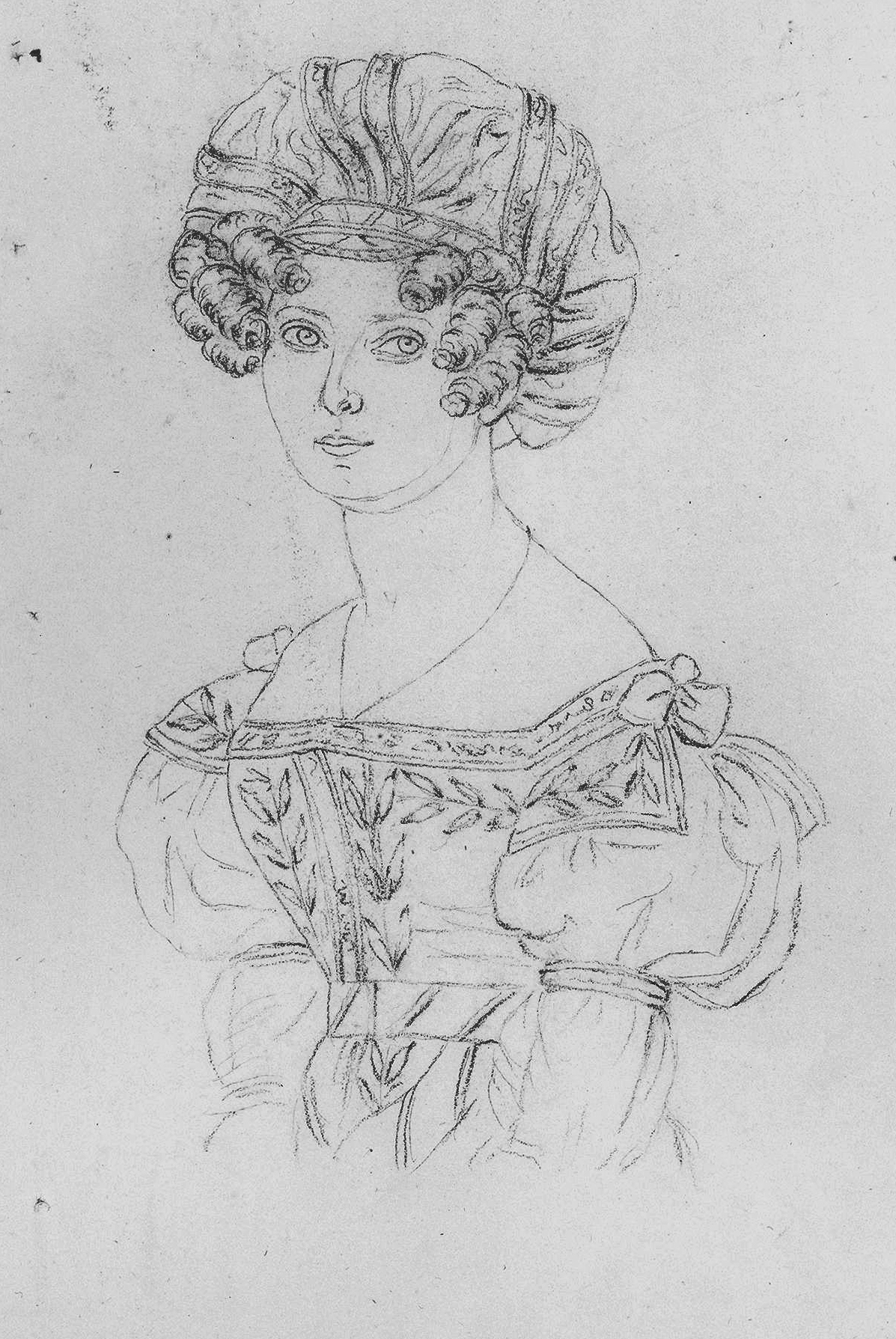
Charlotta Maria Eriksson (née Lambert; 11 February 1794 – 21 April 1862) was a Swedish stage actress. She was also an instructor and deputy principal of the Royal Dramatic Training Academy. She belonged to the elite actors of the Royal Dramatic Theatre.
Charlotta Eriksson was the natural daughter of Christina Halling. Her original surname was Lambert, and is traditionally claimed to be the daughter of an innkeeper with the surname Lambert, but her father is likely to have been P. J. Lambert, concert master of the theater, to whom her mother worked as a maid by the time of her birth. In 1797 her mother married Emanuel Ericsson, a servant of the royal household and later a pad maker, and Charlotta took the name of her stepfather.
She was enrolled as a student in the Royal Dramatic Training Academy in 1805.
Charlotta Eriksson was engaged as a premier actress at the Royal Dramatic Theatre 1 April 1812. The same year, she married Johan Fredrik Wikström (1779-1865), master of the choir of the Royal Swedish Opera, and was known as Charlotta Wikström until her divorce in 1821 when she, in accordance with the custom of divorced women at the time, took the name and title of Mrs Eriksson. The cause of her divorce was her wish to marry her lover, the actor Edvard du Puy, whose death in 1822 caused her to temporary retire from the stage in the spring and summer that year.
Charlotta Eriksson was foremost a dramatic actress. However, as was the custom at the time of the royal theatres (the Royal Swedish Opera and the Royal Dramatic Theatre), an actor could participate in lyric performances if they were able, and Eriksson is known to have participated in some opera performances, notably as a Papagena in Trollflöjten by Mozart (30 maj 1812).
One of her first successes was in 1820, when she played Ophelia instead of Carolina Kuhlman and praised for her realistic interpretation of insanity. In May 1821, Charlotta Eriksson had one of her greatest successes when she played the title role in the Swedish premier of Mary Stuart by Schiller, and are referred to as one of the greatest stars of the Royal Dramatic Theatre of her generation alongside Nils Almlöf, Ulrik Torsslow and Sara Torsslow. Among her more noted roles were Beata Trolle in P. A. Granbergs Svante Sture och Märta Lejonhufvud (1812), Sally in Hartford och Sally by Zschokke (1814), Sofia in A. F. Skjöldebrands Herman von Unna (1817) and one of the norns in Balder by J. D. Valerius (1819), the title role of Preciosa by Weber-Wolffs (1824) and Ophelia in Hamlet (1824), Luise in Schillers Kabal och kärlek (1833), title role of Thérése eller den fader- och moderlösa flickan från Geneve by V. Ducange (1820), Berta örindur in Adolf Müllners Skulden (1830). A role often mentioned in connection to her, and which made a great impression in the audience, was her role in Sömngångaren ('Sleepwalker') by Piccini, in which she walked, talked and finally danced without showing any feelings whatsoever, in an interpretation of a sleepwalker.
Charlotta Eriksson was foremost appreciated within the genre of French salon comedies, a very popular genre at the time in which she was often given the main women roles and performed them with success, becoming a star of the genre. A typical role of that kind was her role of Amelie inTrettio år af en spelares lefnad ('Thirty years of a gamlers life') by Ducange and Dinaux (1833), in which she was reviewed in Aftonbladet: »Mrs E. developed more warmth, intensity and nuance as Amelie than normally found in her in roles of pathetic nature, and was as interesting in every aspect of it without being alike in one."
As an actor, Eriksson was described as a follower of the by then newly introduced realistic way of acting: because she lacked the ability to perform with the old fashioned melodramatic way in which such roles were still depicted, she was not considered to be of use within tragedy, but her natural way of acting was seen as perfect for the modern acting method, which was then very much appreciated within comic drama. She made several trips to study drama in France and Italy, where she reportedly regarded Mademoiselle Mars as a role model, and she is alongside Sara Torsslow, Ulrik Torsslow and Nils Almlöf credited with being one of the role models of the realistic acting method which replaced the old 18th-century stylistic acting method in 19th-century Sweden.
Hub AI
Charlotta Eriksson AI simulator
(@Charlotta Eriksson_simulator)
Charlotta Eriksson
Charlotta Maria Eriksson (née Lambert; 11 February 1794 – 21 April 1862) was a Swedish stage actress. She was also an instructor and deputy principal of the Royal Dramatic Training Academy. She belonged to the elite actors of the Royal Dramatic Theatre.
Charlotta Eriksson was the natural daughter of Christina Halling. Her original surname was Lambert, and is traditionally claimed to be the daughter of an innkeeper with the surname Lambert, but her father is likely to have been P. J. Lambert, concert master of the theater, to whom her mother worked as a maid by the time of her birth. In 1797 her mother married Emanuel Ericsson, a servant of the royal household and later a pad maker, and Charlotta took the name of her stepfather.
She was enrolled as a student in the Royal Dramatic Training Academy in 1805.
Charlotta Eriksson was engaged as a premier actress at the Royal Dramatic Theatre 1 April 1812. The same year, she married Johan Fredrik Wikström (1779-1865), master of the choir of the Royal Swedish Opera, and was known as Charlotta Wikström until her divorce in 1821 when she, in accordance with the custom of divorced women at the time, took the name and title of Mrs Eriksson. The cause of her divorce was her wish to marry her lover, the actor Edvard du Puy, whose death in 1822 caused her to temporary retire from the stage in the spring and summer that year.
Charlotta Eriksson was foremost a dramatic actress. However, as was the custom at the time of the royal theatres (the Royal Swedish Opera and the Royal Dramatic Theatre), an actor could participate in lyric performances if they were able, and Eriksson is known to have participated in some opera performances, notably as a Papagena in Trollflöjten by Mozart (30 maj 1812).
One of her first successes was in 1820, when she played Ophelia instead of Carolina Kuhlman and praised for her realistic interpretation of insanity. In May 1821, Charlotta Eriksson had one of her greatest successes when she played the title role in the Swedish premier of Mary Stuart by Schiller, and are referred to as one of the greatest stars of the Royal Dramatic Theatre of her generation alongside Nils Almlöf, Ulrik Torsslow and Sara Torsslow. Among her more noted roles were Beata Trolle in P. A. Granbergs Svante Sture och Märta Lejonhufvud (1812), Sally in Hartford och Sally by Zschokke (1814), Sofia in A. F. Skjöldebrands Herman von Unna (1817) and one of the norns in Balder by J. D. Valerius (1819), the title role of Preciosa by Weber-Wolffs (1824) and Ophelia in Hamlet (1824), Luise in Schillers Kabal och kärlek (1833), title role of Thérése eller den fader- och moderlösa flickan från Geneve by V. Ducange (1820), Berta örindur in Adolf Müllners Skulden (1830). A role often mentioned in connection to her, and which made a great impression in the audience, was her role in Sömngångaren ('Sleepwalker') by Piccini, in which she walked, talked and finally danced without showing any feelings whatsoever, in an interpretation of a sleepwalker.
Charlotta Eriksson was foremost appreciated within the genre of French salon comedies, a very popular genre at the time in which she was often given the main women roles and performed them with success, becoming a star of the genre. A typical role of that kind was her role of Amelie inTrettio år af en spelares lefnad ('Thirty years of a gamlers life') by Ducange and Dinaux (1833), in which she was reviewed in Aftonbladet: »Mrs E. developed more warmth, intensity and nuance as Amelie than normally found in her in roles of pathetic nature, and was as interesting in every aspect of it without being alike in one."
As an actor, Eriksson was described as a follower of the by then newly introduced realistic way of acting: because she lacked the ability to perform with the old fashioned melodramatic way in which such roles were still depicted, she was not considered to be of use within tragedy, but her natural way of acting was seen as perfect for the modern acting method, which was then very much appreciated within comic drama. She made several trips to study drama in France and Italy, where she reportedly regarded Mademoiselle Mars as a role model, and she is alongside Sara Torsslow, Ulrik Torsslow and Nils Almlöf credited with being one of the role models of the realistic acting method which replaced the old 18th-century stylistic acting method in 19th-century Sweden.
Recent media