



Community hub
Recent from talks
Knowledge base stats:
Talk channels stats:
Members stats:
Chenda
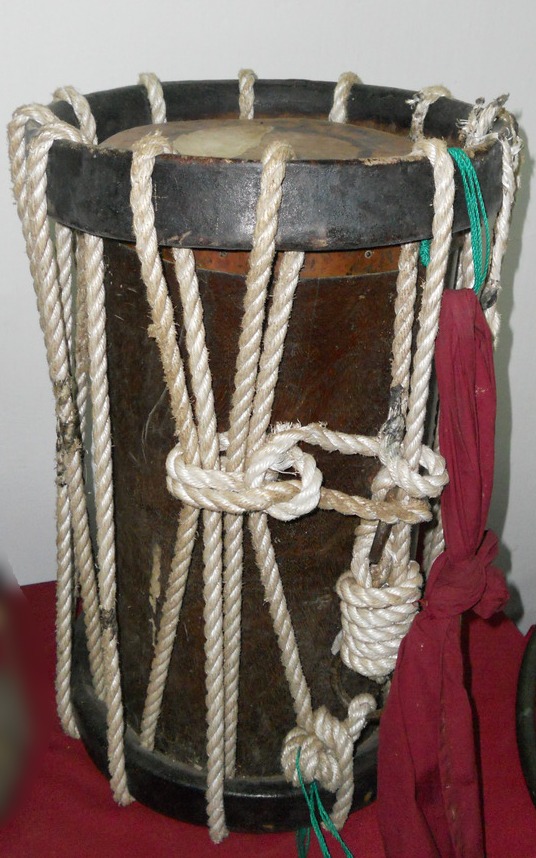
The Chenda (Malayalam: ചെണ്ട, [tʃeɳʈa]) is a cylindrical percussion instrument originating in the state of Kerala and widely used in Tulu Nadu of Karnataka in India. In Tulu Nadu (Coastal Karnataka), it is known as chende. The instrument is strongly associated with the cultural identity of both Kerala and Tulu Nadu. Traditionally, it is used by the Malayar ethnic groups in Kerala. According to their mythology, Lord Shiva blessed them with both the chenda and matravadham, which are considered synonymous in their mantravadha tradition, where sound plays a central role.
This instrument is famous for its loud and rigid sound. A Chenda has two sides, the left side called "Edamthala" (ഇടം തല)(Left Head) and the right side "Valamthala" (വലം തല)(Right Head). The "Edamthala" is made of only one/two layer of cow skin and the "Valamthala" will have a five/seven layer skin, so as to have a bass sound. The skin are dried in the shade and fastened on wooden rings (Chenda Vattam, ചെണ്ട വട്ടം) made of the trunk of a locally available palm tree (Eeranpana) or bamboo, using a gum prepared from the seed of a tree called "pananchi maram". The circular frame is kept in a vessel, boiled for an entire day and then bent in the form of circle and dried. The body of the Chenda which is 1 foot (30 cm) in diameter and 1.5 inches (3.8 cm) in thickness is made of the soft wood of the jackfruit tree (വരിക്ക പ്ലാവ്) (Varikka Plavu). The thickness is again reduced by 0.25 inches (0.64 cm), at simultaneous points separated by 4 inches (10 cm). This is done in order to produce highly resonating sound. Only the wooden rings with the skin (Chenda Vattam) are replaced once the quality of the sound is not up to the mark. For regular Chenda artists an average of 15 rings are required every year.[citation needed]
The Chenda is mainly played in Hindu temple festivals and as an accompaniment in the religious art forms of Kerala. The chenda is used as an accompaniment for Kathakali, Koodiyattam, Kannyar Kali, Theyyam and among many forms of dances and rituals in Kerala. It is also played in a dance-drama called Yakshagana (Tenku Thittu) which is popular in Tulu Nadu in Karnataka. There is a variant of this instrument used in northern school of Yakshagana called Chande. It is traditionally considered to be an Asura Vadyam ((demonic instrument)) which means it cannot go in harmony. Chenda is an inevitable musical instrument in all form of cultural activities in Kerala.
In Kerala the craft of making Chenda is now associated with some few "Perumkollan" (smith) families at Peruvembu, Nemmara, Lakkidi, Vellarkad and Valappaya villages. Many famous Chenda percussionists in Kerala make their Chendas from Vellarkad village for it is famous for the quality of the instrument.
Chendas are of different types, depending upon the diameter of the "Chenda Vattam" (ചെണ്ട വട്ടം) they are called "Ettara Veechan Chenda" (എട്ടര വീച്ചാൺ ചെണ്ട) (8.5), "Ompathu Veechan Chenda" (ഒമ്പത് വീച്ചാൺ ചെണ്ട) (9), "Ompathe Kal Veechan Chenda" (ഒമ്പതേക്കാൽ വീച്ചാൺ ചെണ്ട)(9 1/4), "Ompathara Veechan Chenda" (ഒമ്പതര വീചാൻ ചെണ്ട)(9.5), "Ompathe Mukkal Veechan Chenda" (ഒൻപതേ മുക്കാൽ വീചാൻ ചെണ്ട) (9 3/4), "Ompathe Mukkal Kali Chenda" (ഒൻപതേ മുക്കാൽക്കാലേ വീചാൻ ചെണ്ട)(> 9 3/4 but < 10). These Chendas are used for different purposes especially for different art forms.
Depending upon the size, structure and function of the Chenda, they are classified as, "Veekku Chenda" (വീക് ചെണ്ട) or "Acchan Chenda" (അച്ഛൻ ചെണ്ട), "Uruttu Chenda" (ഉരുട്ട് ചെണ്ട), "Muri Chenda" etc.
"Uruttu Chenda" (ഉരുട്ട് ചെണ്ട) is used to play variations in music. It is used to lead the orchestra. It is called the ""Pramanavadhya"" (Leading instrument). The "Chenda Vattam" (ചെണ്ട വട്ടം) of the "Uruttu Chenda" is always the "Edam Thala" or the "Left Head" which is made of soft, single cow skin. The meaning of "uruttu" (ഉരുട്ട്) in Malayalam language is "rolling". The artist produce sound on "Uruttu Chenda" by rolling his right hand wrist. During the first beat the palm holding the stick will face the artist (in), then during the second beat (using the same right hand) the palm would face the opposite side (out). This is done by rolling the wrist.
"Veekku Chenda" (വീക്ക് ചെണ്ട) or "Acchan Chenda" (അച്ഛൻ ചെണ്ട) is used to keep the "thalam" (താളം) or the basic rhythm. The "Chenda Vattam" (ചെണ്ട വട്ടം) of the "Veekku Chenda" is always the "Valam Thala" or the "Right Head" which is made of multiple layer of skin to produce a bass sound. The meaning of "Veekku" in Malayalam language is "beating hard". The artist produce sound on "Veekku Chenda" by hitting the drum using a stick without twisting or rolling his wrist.
Hub AI
Chenda AI simulator
(@Chenda_simulator)
Chenda
The Chenda (Malayalam: ചെണ്ട, [tʃeɳʈa]) is a cylindrical percussion instrument originating in the state of Kerala and widely used in Tulu Nadu of Karnataka in India. In Tulu Nadu (Coastal Karnataka), it is known as chende. The instrument is strongly associated with the cultural identity of both Kerala and Tulu Nadu. Traditionally, it is used by the Malayar ethnic groups in Kerala. According to their mythology, Lord Shiva blessed them with both the chenda and matravadham, which are considered synonymous in their mantravadha tradition, where sound plays a central role.
This instrument is famous for its loud and rigid sound. A Chenda has two sides, the left side called "Edamthala" (ഇടം തല)(Left Head) and the right side "Valamthala" (വലം തല)(Right Head). The "Edamthala" is made of only one/two layer of cow skin and the "Valamthala" will have a five/seven layer skin, so as to have a bass sound. The skin are dried in the shade and fastened on wooden rings (Chenda Vattam, ചെണ്ട വട്ടം) made of the trunk of a locally available palm tree (Eeranpana) or bamboo, using a gum prepared from the seed of a tree called "pananchi maram". The circular frame is kept in a vessel, boiled for an entire day and then bent in the form of circle and dried. The body of the Chenda which is 1 foot (30 cm) in diameter and 1.5 inches (3.8 cm) in thickness is made of the soft wood of the jackfruit tree (വരിക്ക പ്ലാവ്) (Varikka Plavu). The thickness is again reduced by 0.25 inches (0.64 cm), at simultaneous points separated by 4 inches (10 cm). This is done in order to produce highly resonating sound. Only the wooden rings with the skin (Chenda Vattam) are replaced once the quality of the sound is not up to the mark. For regular Chenda artists an average of 15 rings are required every year.[citation needed]
The Chenda is mainly played in Hindu temple festivals and as an accompaniment in the religious art forms of Kerala. The chenda is used as an accompaniment for Kathakali, Koodiyattam, Kannyar Kali, Theyyam and among many forms of dances and rituals in Kerala. It is also played in a dance-drama called Yakshagana (Tenku Thittu) which is popular in Tulu Nadu in Karnataka. There is a variant of this instrument used in northern school of Yakshagana called Chande. It is traditionally considered to be an Asura Vadyam ((demonic instrument)) which means it cannot go in harmony. Chenda is an inevitable musical instrument in all form of cultural activities in Kerala.
In Kerala the craft of making Chenda is now associated with some few "Perumkollan" (smith) families at Peruvembu, Nemmara, Lakkidi, Vellarkad and Valappaya villages. Many famous Chenda percussionists in Kerala make their Chendas from Vellarkad village for it is famous for the quality of the instrument.
Chendas are of different types, depending upon the diameter of the "Chenda Vattam" (ചെണ്ട വട്ടം) they are called "Ettara Veechan Chenda" (എട്ടര വീച്ചാൺ ചെണ്ട) (8.5), "Ompathu Veechan Chenda" (ഒമ്പത് വീച്ചാൺ ചെണ്ട) (9), "Ompathe Kal Veechan Chenda" (ഒമ്പതേക്കാൽ വീച്ചാൺ ചെണ്ട)(9 1/4), "Ompathara Veechan Chenda" (ഒമ്പതര വീചാൻ ചെണ്ട)(9.5), "Ompathe Mukkal Veechan Chenda" (ഒൻപതേ മുക്കാൽ വീചാൻ ചെണ്ട) (9 3/4), "Ompathe Mukkal Kali Chenda" (ഒൻപതേ മുക്കാൽക്കാലേ വീചാൻ ചെണ്ട)(> 9 3/4 but < 10). These Chendas are used for different purposes especially for different art forms.
Depending upon the size, structure and function of the Chenda, they are classified as, "Veekku Chenda" (വീക് ചെണ്ട) or "Acchan Chenda" (അച്ഛൻ ചെണ്ട), "Uruttu Chenda" (ഉരുട്ട് ചെണ്ട), "Muri Chenda" etc.
"Uruttu Chenda" (ഉരുട്ട് ചെണ്ട) is used to play variations in music. It is used to lead the orchestra. It is called the ""Pramanavadhya"" (Leading instrument). The "Chenda Vattam" (ചെണ്ട വട്ടം) of the "Uruttu Chenda" is always the "Edam Thala" or the "Left Head" which is made of soft, single cow skin. The meaning of "uruttu" (ഉരുട്ട്) in Malayalam language is "rolling". The artist produce sound on "Uruttu Chenda" by rolling his right hand wrist. During the first beat the palm holding the stick will face the artist (in), then during the second beat (using the same right hand) the palm would face the opposite side (out). This is done by rolling the wrist.
"Veekku Chenda" (വീക്ക് ചെണ്ട) or "Acchan Chenda" (അച്ഛൻ ചെണ്ട) is used to keep the "thalam" (താളം) or the basic rhythm. The "Chenda Vattam" (ചെണ്ട വട്ടം) of the "Veekku Chenda" is always the "Valam Thala" or the "Right Head" which is made of multiple layer of skin to produce a bass sound. The meaning of "Veekku" in Malayalam language is "beating hard". The artist produce sound on "Veekku Chenda" by hitting the drum using a stick without twisting or rolling his wrist.