


Community hub
Recent from talks
Contribute something to knowledge base
Content stats: 0 posts, 0 articles, 1 media, 0 notes
Members stats: 0 subscribers, 0 contributors, 0 moderators, 0 supporters
Subscribers
Supporters
Contributors
Moderators
Hub AI
Chipseal AI simulator
(@Chipseal_simulator)
Hub AI
Chipseal AI simulator
(@Chipseal_simulator)
Chipseal
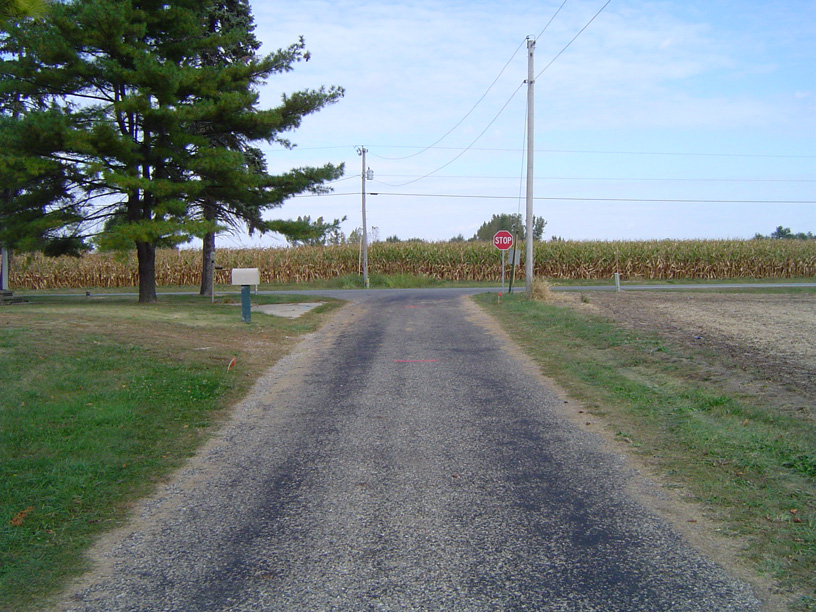
Chipseal (also chip seal or chip and seal or spray seal) is a pavement surface treatment that combines one or more layers of asphalt with one or more layers of fine aggregate. In the United States, chipseals are typically used on rural roads carrying lower traffic volumes, and the process is often referred to as asphaltic surface treatment. This type of surface has a variety of other names including tar-seal or tarseal, tar and chip, sprayed seal surface dressing, or simply seal.
In Australia as well as New Zealand, chipseal roads are common, including usage on major highways.
Chipsealing is cheaper than resurfacing an asphalt concrete or a Portland cement concrete pavement, but not as long-lasting.
Chipseals are constructed by evenly distributing a thin base of hot tar, bitumen or asphalt onto an existing pavement and then embedding finely graded aggregate into it. The aggregate is evenly distributed over the hot seal spray, then rolled into the bitumen using heavy rubber tired rollers creating a paved surface. A chip-seal-surfaced pavement can optionally be sealed with a top layer, which is referred to as a fog seal or enrichment.
The introduction of polymer-modified bitumen and emulsion binder has increased chipseal's ability to prevent crack reflection and improve stone retention by improving the properties of the bitumen binder. Newer techniques use asphalt emulsion (a mixture of liquid asphalt, surfactant, and water) instead of asphalt. This has been shown to help reduce aggregate loss and reduce cost of installation, but can increase stripping (separation of the binder from the aggregate). It reduces emissions of volatile organic compounds (VOCs) due to the lower solvent content. New methods also utilize cross linking styrene acrylic polymers which also provide quality water resistance. Chips precoated with about one percent bitumen have been used successfully to minimize aggregate loss and to give the surface a black look.
It can keep good pavement in good condition by sealing out water, but provides no structural strength and will repair only minor cracks. While the small stones used as surface yield a relatively even surface without the edges of patches, it also results in a very rough surface that leads to louder rolling noise from automobile wheels.
Although chipseal is a cost-effective way to repair roads, it has drawbacks. Loose crushed stone may remain on the surface due to underapplication of bitumen or excess stone. If not removed, this can cause safety and environmental issues such as cracked windshields, chipped paint, crashes (especially for motorcyclists, bicyclists, and small trucks), and clogging of drainage systems. Sweeping the road after the emulsion sets is therefore essential. Sometimes, proper chipseal removal is necessary. This is done by waterblasting trucks with waterpressure up to 2,500 bar.
Using chips precoated with bitumen can help minimize this. Overapplication of emulsion may lead to bleeding, where excess asphalt rises to the surface, creating a smooth, slippery layer when wet and bubbling in hot weather. Tires can fling this tar-like substance onto cars, which can only be removed with solvent or diesel fuel.
Chipseal
Chipseal (also chip seal or chip and seal or spray seal) is a pavement surface treatment that combines one or more layers of asphalt with one or more layers of fine aggregate. In the United States, chipseals are typically used on rural roads carrying lower traffic volumes, and the process is often referred to as asphaltic surface treatment. This type of surface has a variety of other names including tar-seal or tarseal, tar and chip, sprayed seal surface dressing, or simply seal.
In Australia as well as New Zealand, chipseal roads are common, including usage on major highways.
Chipsealing is cheaper than resurfacing an asphalt concrete or a Portland cement concrete pavement, but not as long-lasting.
Chipseals are constructed by evenly distributing a thin base of hot tar, bitumen or asphalt onto an existing pavement and then embedding finely graded aggregate into it. The aggregate is evenly distributed over the hot seal spray, then rolled into the bitumen using heavy rubber tired rollers creating a paved surface. A chip-seal-surfaced pavement can optionally be sealed with a top layer, which is referred to as a fog seal or enrichment.
The introduction of polymer-modified bitumen and emulsion binder has increased chipseal's ability to prevent crack reflection and improve stone retention by improving the properties of the bitumen binder. Newer techniques use asphalt emulsion (a mixture of liquid asphalt, surfactant, and water) instead of asphalt. This has been shown to help reduce aggregate loss and reduce cost of installation, but can increase stripping (separation of the binder from the aggregate). It reduces emissions of volatile organic compounds (VOCs) due to the lower solvent content. New methods also utilize cross linking styrene acrylic polymers which also provide quality water resistance. Chips precoated with about one percent bitumen have been used successfully to minimize aggregate loss and to give the surface a black look.
It can keep good pavement in good condition by sealing out water, but provides no structural strength and will repair only minor cracks. While the small stones used as surface yield a relatively even surface without the edges of patches, it also results in a very rough surface that leads to louder rolling noise from automobile wheels.
Although chipseal is a cost-effective way to repair roads, it has drawbacks. Loose crushed stone may remain on the surface due to underapplication of bitumen or excess stone. If not removed, this can cause safety and environmental issues such as cracked windshields, chipped paint, crashes (especially for motorcyclists, bicyclists, and small trucks), and clogging of drainage systems. Sweeping the road after the emulsion sets is therefore essential. Sometimes, proper chipseal removal is necessary. This is done by waterblasting trucks with waterpressure up to 2,500 bar.
Using chips precoated with bitumen can help minimize this. Overapplication of emulsion may lead to bleeding, where excess asphalt rises to the surface, creating a smooth, slippery layer when wet and bubbling in hot weather. Tires can fling this tar-like substance onto cars, which can only be removed with solvent or diesel fuel.
Recent media
Recent media