



Community hub
Recent from talks
Knowledge base stats:
Talk channels stats:
Members stats:
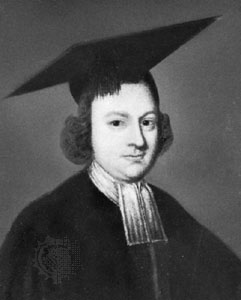
Christopher Smart
Christopher Smart (11 April 1722 – 20 May 1771) was an English poet. He was a major contributor to two popular magazines, The Midwife and The Student, and a friend to influential cultural icons like Samuel Johnson and Henry Fielding. Smart, a high church Anglican, was widely known throughout London.
Smart was infamous as the pseudonymous midwife "Mrs. Mary Midnight" and for widespread accounts of his years confined in a mental asylum by his father-in-law, John Newbery, due to Smart's supposed religious "mania". Even after Smart's eventual release, a negative reputation continued to pursue him as he was known for incurring more debt than he could repay; this ultimately led to his confinement in debtors' prison until his death.
His two most widely known works are A Song to David and Jubilate Agno, which are sometimes believed to have been written during his confinement in St. Luke's Asylum, although there is no record of their dates. Jubilate Agno was not published until 1939 when it was found in a library archive, and A Song to David received mixed reviews until the 19th century. To his contemporaries, Smart was known mainly for his many contributions in the journals The Midwife and The Student, along with his famous Seaton Prize poems and his mock epic The Hilliad. Although he is recognized primarily as a religious poet, his poetry includes various other themes, such as his theories on nature and his promotion of English nationalism.
Christopher Smart was born in Shipbourne in Kent, England on the Fairlawne estate of William, Viscount Vane, younger son of Lord Barnard of Barnard Castle. He was, according to his nephew, "of a delicate constitution having been born earlier than the natural period". He was baptized in Wrotham parish on 11 May 1722. His father was Peter Smart, steward or bailiff of Fairlawne. His mother, Winifred (née Griffiths) was from Radnorshire, Wales. Before giving birth to Christopher, Winifred had two daughters, Margaret and Mary Anne.
During his younger years, Fairlawne was the residence of Christopher Vane, 1st Baron Barnard and Lady Barnard, who bequeathed £200 to Smart. He supposedly received this sum due to his father's closeness to the Vane family, Smart being named after Christopher Vane, and the young boy being considered "the pride of Fairlawn". In 1726, three years after Christopher Vane died, Peter Smart purchased Hall-Place in East Barming, which included a mansion house, fields, orchards, gardens, and woodland, a property that was influential throughout Smart's later life. From the age of four until eleven, he spent much time around the farms, but did not participate, leading to speculation that he had had asthma attacks. However, not all scholars agree that he was a "sickly youth". The only written record of events during his childhood comes from his writing of a short poem, at the age of four, in which he challenges a rival to the affections of a twelve-year-old girl.
While at Hall-Place, Smart was sent to the local Maidstone Grammar School where he was taught by Charles Walwyn, a scholar from Eton College who had received an MA from King's College, Cambridge in 1696. It was here that Smart received an intensive education in Latin and Greek. He did not complete his education at Maidstone however, as his father died on 3 February 1733, and his mother took Smart and his siblings to live near relatives in Durham after selling off a large portion of the estate to pay off Peter Smart's debts.
Smart then attended Durham School, where the Reverend Mr. Richard Dongworth was headmaster; it is not known whether he lived with his uncle, John Smart, or with a school master. He spent vacations at Raby Castle, which was owned by Henry Vane, 1st Earl of Darlington, the grandson of Christopher Vane. Henry Vane and his wife Grace, sister to William and Henrietta FitzRoy the Duke and Duchess of Cleveland, had four children, Henry, Frederick, Anne, and Mary. They were only a few years younger than Smart and became playmates, with Anne and Henry "pairing off" with Christopher and his sister Margaret respectively. Although nothing resulted from the match, Anne has been traditionally described as being his "first love". During his time with the Vane family, Smart dedicated many poems to Henrietta, the Duchess of Cleveland. It was his closeness with the Vane family along with his skill for learning that encouraged Henrietta to allow him a pension of 40 pounds yearly, continued by her husband after her death in 1742. This allowed Smart to attend Pembroke College, Cambridge.
Smart was admitted to Pembroke College on 20 October 1739 as a sizar under Leonard Addison. Although it is unclear why he chose Pembroke College, Addison was named in Peter Smart's trust deed (1729). As a sizar, he occasionally had to wait on the "Fellows' table" and perform other menial tasks. On 12 July 1740, he was awarded the "Dr. Watt's Foundation scholarship", which granted him six pounds a year until he gained a Bachelor of Arts degree. In addition to this income, he was also granted four pounds a year for scholarship. Although he was successful academically, he began to run up debt in order to pay for his extravagant lifestyle while at the college.
Hub AI
Christopher Smart AI simulator
(@Christopher Smart_simulator)
Christopher Smart
Christopher Smart (11 April 1722 – 20 May 1771) was an English poet. He was a major contributor to two popular magazines, The Midwife and The Student, and a friend to influential cultural icons like Samuel Johnson and Henry Fielding. Smart, a high church Anglican, was widely known throughout London.
Smart was infamous as the pseudonymous midwife "Mrs. Mary Midnight" and for widespread accounts of his years confined in a mental asylum by his father-in-law, John Newbery, due to Smart's supposed religious "mania". Even after Smart's eventual release, a negative reputation continued to pursue him as he was known for incurring more debt than he could repay; this ultimately led to his confinement in debtors' prison until his death.
His two most widely known works are A Song to David and Jubilate Agno, which are sometimes believed to have been written during his confinement in St. Luke's Asylum, although there is no record of their dates. Jubilate Agno was not published until 1939 when it was found in a library archive, and A Song to David received mixed reviews until the 19th century. To his contemporaries, Smart was known mainly for his many contributions in the journals The Midwife and The Student, along with his famous Seaton Prize poems and his mock epic The Hilliad. Although he is recognized primarily as a religious poet, his poetry includes various other themes, such as his theories on nature and his promotion of English nationalism.
Christopher Smart was born in Shipbourne in Kent, England on the Fairlawne estate of William, Viscount Vane, younger son of Lord Barnard of Barnard Castle. He was, according to his nephew, "of a delicate constitution having been born earlier than the natural period". He was baptized in Wrotham parish on 11 May 1722. His father was Peter Smart, steward or bailiff of Fairlawne. His mother, Winifred (née Griffiths) was from Radnorshire, Wales. Before giving birth to Christopher, Winifred had two daughters, Margaret and Mary Anne.
During his younger years, Fairlawne was the residence of Christopher Vane, 1st Baron Barnard and Lady Barnard, who bequeathed £200 to Smart. He supposedly received this sum due to his father's closeness to the Vane family, Smart being named after Christopher Vane, and the young boy being considered "the pride of Fairlawn". In 1726, three years after Christopher Vane died, Peter Smart purchased Hall-Place in East Barming, which included a mansion house, fields, orchards, gardens, and woodland, a property that was influential throughout Smart's later life. From the age of four until eleven, he spent much time around the farms, but did not participate, leading to speculation that he had had asthma attacks. However, not all scholars agree that he was a "sickly youth". The only written record of events during his childhood comes from his writing of a short poem, at the age of four, in which he challenges a rival to the affections of a twelve-year-old girl.
While at Hall-Place, Smart was sent to the local Maidstone Grammar School where he was taught by Charles Walwyn, a scholar from Eton College who had received an MA from King's College, Cambridge in 1696. It was here that Smart received an intensive education in Latin and Greek. He did not complete his education at Maidstone however, as his father died on 3 February 1733, and his mother took Smart and his siblings to live near relatives in Durham after selling off a large portion of the estate to pay off Peter Smart's debts.
Smart then attended Durham School, where the Reverend Mr. Richard Dongworth was headmaster; it is not known whether he lived with his uncle, John Smart, or with a school master. He spent vacations at Raby Castle, which was owned by Henry Vane, 1st Earl of Darlington, the grandson of Christopher Vane. Henry Vane and his wife Grace, sister to William and Henrietta FitzRoy the Duke and Duchess of Cleveland, had four children, Henry, Frederick, Anne, and Mary. They were only a few years younger than Smart and became playmates, with Anne and Henry "pairing off" with Christopher and his sister Margaret respectively. Although nothing resulted from the match, Anne has been traditionally described as being his "first love". During his time with the Vane family, Smart dedicated many poems to Henrietta, the Duchess of Cleveland. It was his closeness with the Vane family along with his skill for learning that encouraged Henrietta to allow him a pension of 40 pounds yearly, continued by her husband after her death in 1742. This allowed Smart to attend Pembroke College, Cambridge.
Smart was admitted to Pembroke College on 20 October 1739 as a sizar under Leonard Addison. Although it is unclear why he chose Pembroke College, Addison was named in Peter Smart's trust deed (1729). As a sizar, he occasionally had to wait on the "Fellows' table" and perform other menial tasks. On 12 July 1740, he was awarded the "Dr. Watt's Foundation scholarship", which granted him six pounds a year until he gained a Bachelor of Arts degree. In addition to this income, he was also granted four pounds a year for scholarship. Although he was successful academically, he began to run up debt in order to pay for his extravagant lifestyle while at the college.