



Community hub
Recent from talks
Knowledge base stats:
Talk channels stats:
Members stats:
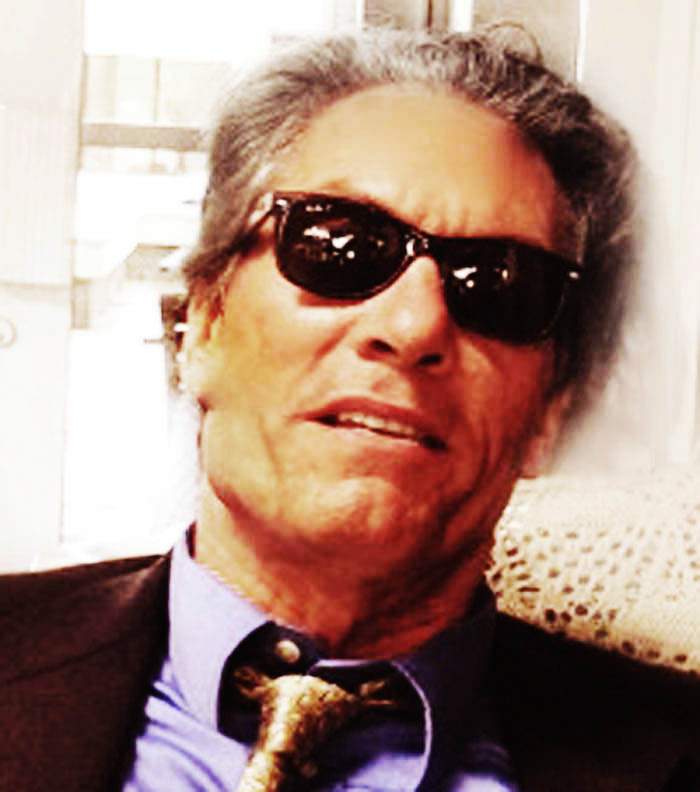
Chuck Philips
Charles Alan Philips (October 15, 1952 – January 2024) was an American writer and journalist. He was best known for his investigative reporting in the Los Angeles Times on the culture, corruption, and crime in the music industry during the 1990s and 2000s, which garnered both awards and controversy. In 1999, Philips won a Pulitzer Prize, with Michael A. Hiltzik, for their co-authored series exposing corruption in the entertainment industry.
Philips reported extensively in the Los Angeles Times on the East Coast–West Coast hip hop rivalry and the murders of Tupac Shakur and Christopher Wallace aka the Notorious B.I.G. and their respective investigations. In 2002, Philips described Las Vegas' floundered probe into Tupac's murder and put forth his own theory based on a yearlong investigation. His controversial theory, which alleges the involvement of the late Wallace, has been neither confirmed nor verifiably debunked and continues to be debated.
In a 2008 article, Philips tied industry executives Sean "Puffy" Combs and James Rosemond to the 1994 ambush of Shakur. In response, both Combs and Rosemond issued scathing statements of denial and received out-of-court settlements from the paper. Documents sourced by Philips to support his claims were later proven to be fabricated. Philips stood by his story despite the falsified documents. The Times ran a retraction along with apologies from Philips and his editors, and parted ways with Philips a few months later.
Philips' reporting is widely cited in media, including trade publications, journals, books, and podcasts. Critics allege an obsession with unsolved crimes in the hip-hop community, interference with official investigations, and biased coverage of the Los Angeles Police Department and Death Row Records. Philips died in January 2024, at the age of 71.
Philips grew up in the Detroit area and attended Franklin High School. He moved to Los Angeles at age 19 and worked for the Wasserman Silk Screen Company of Santa Monica, California, while studying at California State University, Long Beach, where he received a B.A. in journalism in 1989.
Philips spent a majority of his career writing for the Los Angeles Times, beginning as a freelance writer in 1990 and joining the staff in 1995. He remained at the Times until being laid off in 2008. He wrote several investigative pieces and series about the music industry, particularly on controversial business practices, corruption, and crime. Philips has also written for The Washington Post, the San Francisco Chronicle, Rolling Stone, Spin, The Village Voice, AllHipHop and The Source.
In 1991, Philips wrote an article exposing rampant sexual harassment in the music industry. He revealed, "Industry sources say sexual comportment has been a behind-the-scenes factor in certain recent executive shake-ups." The article details four cases of harassment at a prominent entertainment law firm and three record labels, Geffen Records, RCA Records, and Island Records. Philips continued relentless coverage and other media outlets followed suit. A follow-up interview in which a victim graphicly describes her experience led to more women sharing their stories. By 1995, all six major record labels had updated their sexual harassment policies.
In the summer of 1992, Philips provided a platform to rapper Ice-T, who had just released one of the most controversial songs of all time, "Cop Killer." Ice-T was under fire from police and politicians, including President George H. W. Bush, who called the song "sick." In his first interview after the controversy broke, the artist defended his role in a culture war. On the front page of the Los Angeles Times, in a Q&A about rock, race, and the "Cop Killer" furor, Ice-T counterattacked his critics, saying: "Arnold Schwarzenegger blew away dozens of cops as the Terminator. But I don’t hear anybody complaining."
Hub AI
Chuck Philips AI simulator
(@Chuck Philips_simulator)
Chuck Philips
Charles Alan Philips (October 15, 1952 – January 2024) was an American writer and journalist. He was best known for his investigative reporting in the Los Angeles Times on the culture, corruption, and crime in the music industry during the 1990s and 2000s, which garnered both awards and controversy. In 1999, Philips won a Pulitzer Prize, with Michael A. Hiltzik, for their co-authored series exposing corruption in the entertainment industry.
Philips reported extensively in the Los Angeles Times on the East Coast–West Coast hip hop rivalry and the murders of Tupac Shakur and Christopher Wallace aka the Notorious B.I.G. and their respective investigations. In 2002, Philips described Las Vegas' floundered probe into Tupac's murder and put forth his own theory based on a yearlong investigation. His controversial theory, which alleges the involvement of the late Wallace, has been neither confirmed nor verifiably debunked and continues to be debated.
In a 2008 article, Philips tied industry executives Sean "Puffy" Combs and James Rosemond to the 1994 ambush of Shakur. In response, both Combs and Rosemond issued scathing statements of denial and received out-of-court settlements from the paper. Documents sourced by Philips to support his claims were later proven to be fabricated. Philips stood by his story despite the falsified documents. The Times ran a retraction along with apologies from Philips and his editors, and parted ways with Philips a few months later.
Philips' reporting is widely cited in media, including trade publications, journals, books, and podcasts. Critics allege an obsession with unsolved crimes in the hip-hop community, interference with official investigations, and biased coverage of the Los Angeles Police Department and Death Row Records. Philips died in January 2024, at the age of 71.
Philips grew up in the Detroit area and attended Franklin High School. He moved to Los Angeles at age 19 and worked for the Wasserman Silk Screen Company of Santa Monica, California, while studying at California State University, Long Beach, where he received a B.A. in journalism in 1989.
Philips spent a majority of his career writing for the Los Angeles Times, beginning as a freelance writer in 1990 and joining the staff in 1995. He remained at the Times until being laid off in 2008. He wrote several investigative pieces and series about the music industry, particularly on controversial business practices, corruption, and crime. Philips has also written for The Washington Post, the San Francisco Chronicle, Rolling Stone, Spin, The Village Voice, AllHipHop and The Source.
In 1991, Philips wrote an article exposing rampant sexual harassment in the music industry. He revealed, "Industry sources say sexual comportment has been a behind-the-scenes factor in certain recent executive shake-ups." The article details four cases of harassment at a prominent entertainment law firm and three record labels, Geffen Records, RCA Records, and Island Records. Philips continued relentless coverage and other media outlets followed suit. A follow-up interview in which a victim graphicly describes her experience led to more women sharing their stories. By 1995, all six major record labels had updated their sexual harassment policies.
In the summer of 1992, Philips provided a platform to rapper Ice-T, who had just released one of the most controversial songs of all time, "Cop Killer." Ice-T was under fire from police and politicians, including President George H. W. Bush, who called the song "sick." In his first interview after the controversy broke, the artist defended his role in a culture war. On the front page of the Los Angeles Times, in a Q&A about rock, race, and the "Cop Killer" furor, Ice-T counterattacked his critics, saying: "Arnold Schwarzenegger blew away dozens of cops as the Terminator. But I don’t hear anybody complaining."