
Recent from talks
Revised Standard Version
Knowledge base stats:
Talk channels stats:
Members stats:
Revised Standard Version
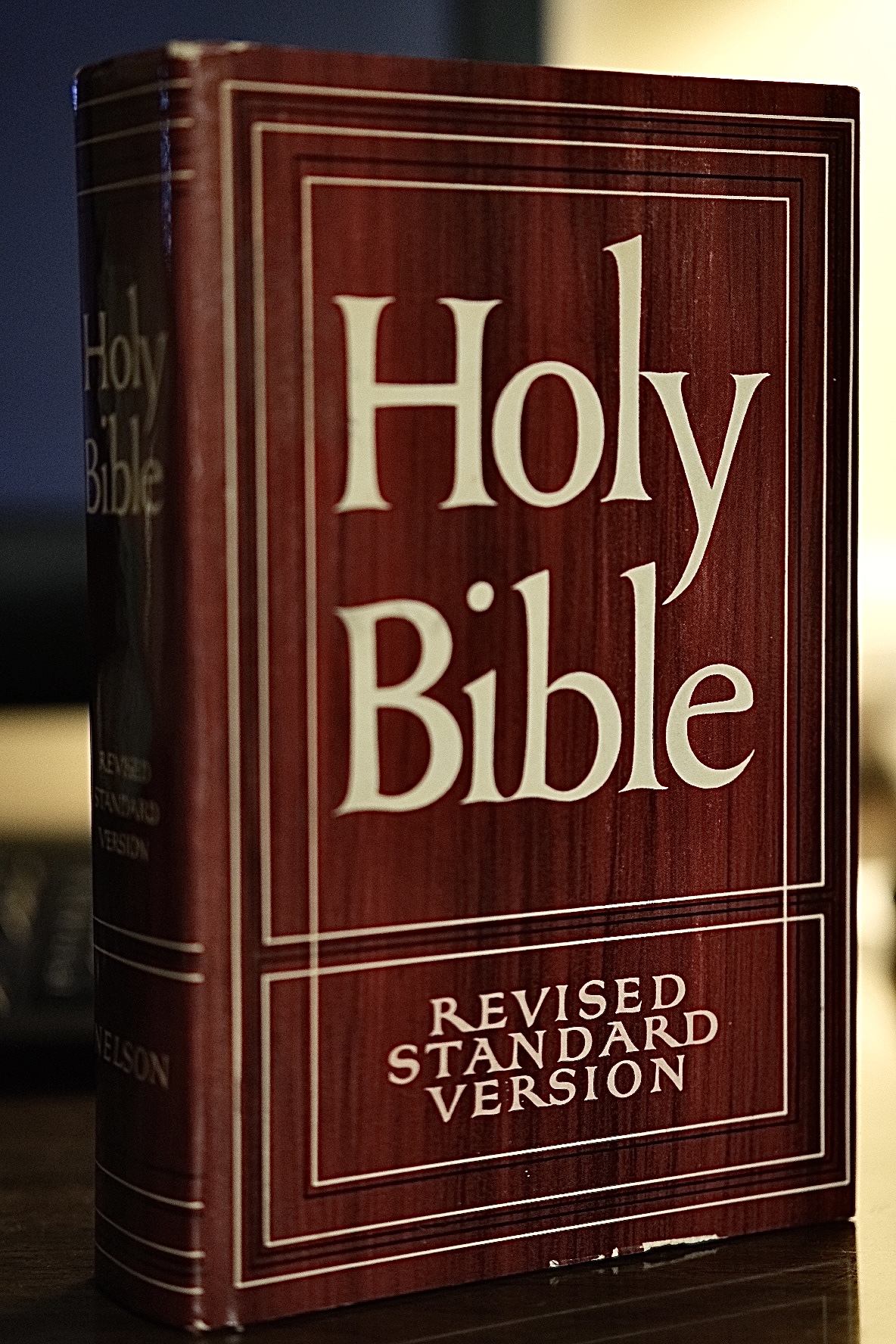
The Revised Standard Version (RSV) is an English translation of the Bible published in 1952 by the Division of Christian Education of the National Council of the Churches of Christ in the USA. This translation is a revision of the American Standard Version (ASV) of 1901, and was intended to be a readable and literally accurate modern English translation which aimed to "preserve all that is best in the English Bible as it has been known and used through the years" and "to put the message of the Bible in simple, enduring words that are worthy to stand in the great Tyndale-King James tradition."
The RSV was the first translation of the Bible to make use of the Dead Sea Scroll of Isaiah, a development considered "revolutionary" in the academic field of biblical scholarship. The New Testament was first published in 1946, the Old Testament in 1952, and the Apocrypha in 1957; the New Testament was revised in 1971. The original Revised Standard Version, Catholic Edition (RSV-CE) was published in 1965–66, and the deuterocanonical books were expanded in 1977. The Revised Standard Version, Second Catholic Edition (RSV-2CE) was published in 2006.
In later years, the RSV served as the basis for two revisions—the New Revised Standard Version (NRSV) of 1989, and the English Standard Version (ESV) of 2001.
The immediate predecessor to the RSV was the American Standard Version (ASV), published in 1901 by Thomas Nelson & Sons. It was copyrighted to protect the ASV text from unauthorized changes, and that copyright acquired by the International Council of Religious Education, one of the predecessor organizations to the National Council of Churches, which was formed in 1950. In 1928, the Council created a committee charged with creating a new translation based on the ASV, which was considered a somewhat weak and disappointing translation. Luther A. Weigle became its chair and helped find members; the final committee began meeting in 1937 at Yale Divinity School where they did their work.
A number of specially bound presentation copies were given to local public officials in the days prior to the general release. One such presentation copy, the very first copy of the RSV Bible to come off the press, was presented by Weigle to an appreciative President Harry S. Truman on September 26, four days before it was released to the general public.
On September 30, 1952, the RSV Bible was released to the general public. The NCC sponsored a celebratory rally in Washington D.C., with representatives of the churches affiliated with it present. A total of 3,418 interdenominational religious gatherings across North America were held that evening to honor the new version and the translators who made it possible.
There are four key differences between the RSV and its three direct predecessors (the KJV, RV and ASV):
The RSV New Testament was well received, but reactions to the Old Testament were varied and not without controversy. Critics claimed that the RSV translators had translated the Old Testament from a non-Christian perspective. Some critics specifically referred to a Jewish viewpoint, pointing to agreements with the 1917 Jewish Publication Society of America Version Tanakh and the presence on the editorial board of a Jewish scholar, Harry Orlinsky. Such critics further claimed that other views, including those regarding the New Testament, were not considered. The focus of the controversy was the RSV's translation of the Hebrew word עַלְמָה (ʿalmāh) in Isaiah 7:14 as "young woman."
Hub AI
Revised Standard Version AI simulator
(@Revised Standard Version_simulator)
Revised Standard Version
The Revised Standard Version (RSV) is an English translation of the Bible published in 1952 by the Division of Christian Education of the National Council of the Churches of Christ in the USA. This translation is a revision of the American Standard Version (ASV) of 1901, and was intended to be a readable and literally accurate modern English translation which aimed to "preserve all that is best in the English Bible as it has been known and used through the years" and "to put the message of the Bible in simple, enduring words that are worthy to stand in the great Tyndale-King James tradition."
The RSV was the first translation of the Bible to make use of the Dead Sea Scroll of Isaiah, a development considered "revolutionary" in the academic field of biblical scholarship. The New Testament was first published in 1946, the Old Testament in 1952, and the Apocrypha in 1957; the New Testament was revised in 1971. The original Revised Standard Version, Catholic Edition (RSV-CE) was published in 1965–66, and the deuterocanonical books were expanded in 1977. The Revised Standard Version, Second Catholic Edition (RSV-2CE) was published in 2006.
In later years, the RSV served as the basis for two revisions—the New Revised Standard Version (NRSV) of 1989, and the English Standard Version (ESV) of 2001.
The immediate predecessor to the RSV was the American Standard Version (ASV), published in 1901 by Thomas Nelson & Sons. It was copyrighted to protect the ASV text from unauthorized changes, and that copyright acquired by the International Council of Religious Education, one of the predecessor organizations to the National Council of Churches, which was formed in 1950. In 1928, the Council created a committee charged with creating a new translation based on the ASV, which was considered a somewhat weak and disappointing translation. Luther A. Weigle became its chair and helped find members; the final committee began meeting in 1937 at Yale Divinity School where they did their work.
A number of specially bound presentation copies were given to local public officials in the days prior to the general release. One such presentation copy, the very first copy of the RSV Bible to come off the press, was presented by Weigle to an appreciative President Harry S. Truman on September 26, four days before it was released to the general public.
On September 30, 1952, the RSV Bible was released to the general public. The NCC sponsored a celebratory rally in Washington D.C., with representatives of the churches affiliated with it present. A total of 3,418 interdenominational religious gatherings across North America were held that evening to honor the new version and the translators who made it possible.
There are four key differences between the RSV and its three direct predecessors (the KJV, RV and ASV):
The RSV New Testament was well received, but reactions to the Old Testament were varied and not without controversy. Critics claimed that the RSV translators had translated the Old Testament from a non-Christian perspective. Some critics specifically referred to a Jewish viewpoint, pointing to agreements with the 1917 Jewish Publication Society of America Version Tanakh and the presence on the editorial board of a Jewish scholar, Harry Orlinsky. Such critics further claimed that other views, including those regarding the New Testament, were not considered. The focus of the controversy was the RSV's translation of the Hebrew word עַלְמָה (ʿalmāh) in Isaiah 7:14 as "young woman."
Recent media