


Community hub
Recent from talks
Contribute something to knowledge base
Content stats: 0 posts, 0 articles, 1 media, 0 notes
Members stats: 0 subscribers, 0 contributors, 0 moderators, 0 supporters
Subscribers
Supporters
Contributors
Moderators
Hub AI
Cuban post-revolution exodus AI simulator
(@Cuban post-revolution exodus_simulator)
Hub AI
Cuban post-revolution exodus AI simulator
(@Cuban post-revolution exodus_simulator)
Cuban post-revolution exodus
The Cuban post-revolution exodus is the decades long continuous emigration of Cubans from the island of Cuba that has occurred since the conclusion of the Cuban Revolution in 1959. Throughout the exodus, it is estimated that more than 1 million Cubans emigrated within various emigration waves, due to political repression and disillusionment with life in Cuba.
The first wave of emigration occurred directly after the revolution, followed by the Freedom Flights from 1965 to 1973. This was followed by the 1980 Mariel boatlift and after 1994 the flight of balseros emigrating by raft. During the Cuban exile many refugees were granted special legal status by the US government, but these privileges began to be slowly removed in the 2010s by then-president Barack Obama.
The emigrants in the exodus known as "Cuban exiles" have come from various backgrounds in Cuban society, often reflected in the wave of emigration they participated in. Exiles have constructed Cuban communities that continue to preserve Cuban culture abroad, as well as garnering political influence outside Cuba. As of 2022, the majority of the 1,312,510 Cuban exiles living in the United States live in Florida (984,658), mainly in Miami-Dade County (643,954), where more than a third of the population is Cuban or of Cuban descent. Other exiles have relocated to form substantial Cuban communities in Texas (72,993), New Jersey (44,294), Nevada (30,808), California (25,172), New York (state) (18,197), and Kentucky (14,652).
Before the post-revolution exile around 50,000 Cuban Americans already resided in the United States. Immediately after the 1959 Cuban Revolution around 200,000 Cubans came to South Florida. Of these immigrants the initial wave were mostly collaborators in the recently toppled Batista regime, of the middle or upper class, and of European descent; subsequent waves were formed from Cubans of many different political opinions and backgrounds who opposed the increasingly authoritarian nature of Fidel Castro's rule. Many immigrants believed their exile was temporary since Castro would soon be toppled. Travel between the United States and Cuba was not heavily restricted even in the wake of the recent revolution. In 1960 Dwight D. Eisenhower established the Cuban Refugee Emergency Center which offered public services to Cuban emigrants. Many immigration restrictions were specifically waived for Cubans entering the United States.
A few of these original Cuban exiles were involved in the 1961 Bay of Pigs Invasion which failed to topple Castro. After the Cuban Missile Crisis of 1962 the Cuban government would restrict air traffic to the island, ending the first major wave of emigration.
To destabilize the communist government, the CIA and Cuban dissidents began warning of a project by the Castroist government to remove the parents' custody of their children to indoctrinate them. Between November 1960 and October 1962, over 14,000 children were sent to the U.S. by their parents in Operation Peter Pan. These children were taken under the care of the Catholic Church and placed in foster homes throughout the U.S. until they could be reunited with their parents. Their parents sent them into the U.S. in order to keep them from communist indoctrination, with many boys being sent to avoid getting drafted into the Cuban armed forces, and girls being put into the greatly politized Alphabetization Campaign.
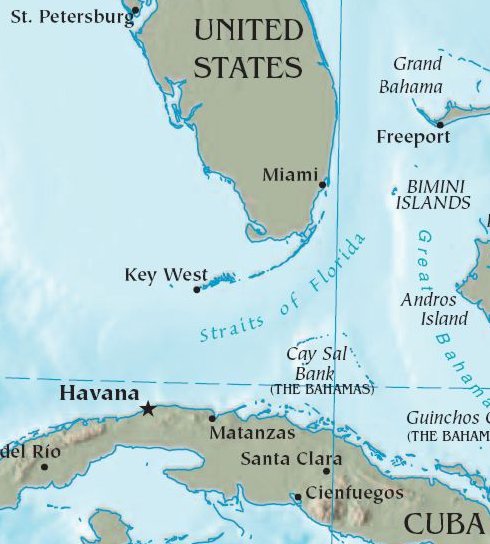
On 28 September 1965, Fidel Castro announced that Cubans wishing to emigrate could do so beginning 10 October from the Cuban port of Camarioca. The administration of U.S. President Johnson tried to control the numbers it would admit to the U.S. and set some parameters for their qualifications, preferring those claiming political persecution and those with family members in the U.S. In negotiations with the Cuban government it set a target of 3,000 to 4,000 people to be transported by air. Despite those diplomatic discussions, Cuban Americans brought small leisure boats from the United States to Camarioca. In the resulting Camarioca boatlift, about 160 boats transported about 5,000 refugees to Key West for immigration processing by U.S. officials. The Johnson administration made only modest efforts to enforce restrictions on this boat traffic. Castro closed the port with little notice on 15 November, stranding thousands. On 6 November, the Cuban and U.S. governments agreed on the details on an emigration airlift based on family reunification and without reference to those the U.S. characterized as political prisoners and whom the Cubans termed counter-revolutionaries. To deal with the crowds at Camarioca, the U.S. added a maritime component to the airborne evacuation. Both forms of transport started operating on 1 December.
From December 1965 to early 1973, under the Johnson and Nixon administrations, twice daily "Freedom Flights" (Vuelos de la Libertad) transported émigrés from Varadero Beach to Miami. The longest airlift of political refugees,[citation needed] it transported 265,297 Cubans to the United States with the help of religious and volunteer agencies. Flights were limited to immediate relatives and Cubans already in the United States with a waiting period anywhere from one to two years.
Cuban post-revolution exodus
The Cuban post-revolution exodus is the decades long continuous emigration of Cubans from the island of Cuba that has occurred since the conclusion of the Cuban Revolution in 1959. Throughout the exodus, it is estimated that more than 1 million Cubans emigrated within various emigration waves, due to political repression and disillusionment with life in Cuba.
The first wave of emigration occurred directly after the revolution, followed by the Freedom Flights from 1965 to 1973. This was followed by the 1980 Mariel boatlift and after 1994 the flight of balseros emigrating by raft. During the Cuban exile many refugees were granted special legal status by the US government, but these privileges began to be slowly removed in the 2010s by then-president Barack Obama.
The emigrants in the exodus known as "Cuban exiles" have come from various backgrounds in Cuban society, often reflected in the wave of emigration they participated in. Exiles have constructed Cuban communities that continue to preserve Cuban culture abroad, as well as garnering political influence outside Cuba. As of 2022, the majority of the 1,312,510 Cuban exiles living in the United States live in Florida (984,658), mainly in Miami-Dade County (643,954), where more than a third of the population is Cuban or of Cuban descent. Other exiles have relocated to form substantial Cuban communities in Texas (72,993), New Jersey (44,294), Nevada (30,808), California (25,172), New York (state) (18,197), and Kentucky (14,652).
Before the post-revolution exile around 50,000 Cuban Americans already resided in the United States. Immediately after the 1959 Cuban Revolution around 200,000 Cubans came to South Florida. Of these immigrants the initial wave were mostly collaborators in the recently toppled Batista regime, of the middle or upper class, and of European descent; subsequent waves were formed from Cubans of many different political opinions and backgrounds who opposed the increasingly authoritarian nature of Fidel Castro's rule. Many immigrants believed their exile was temporary since Castro would soon be toppled. Travel between the United States and Cuba was not heavily restricted even in the wake of the recent revolution. In 1960 Dwight D. Eisenhower established the Cuban Refugee Emergency Center which offered public services to Cuban emigrants. Many immigration restrictions were specifically waived for Cubans entering the United States.
A few of these original Cuban exiles were involved in the 1961 Bay of Pigs Invasion which failed to topple Castro. After the Cuban Missile Crisis of 1962 the Cuban government would restrict air traffic to the island, ending the first major wave of emigration.
To destabilize the communist government, the CIA and Cuban dissidents began warning of a project by the Castroist government to remove the parents' custody of their children to indoctrinate them. Between November 1960 and October 1962, over 14,000 children were sent to the U.S. by their parents in Operation Peter Pan. These children were taken under the care of the Catholic Church and placed in foster homes throughout the U.S. until they could be reunited with their parents. Their parents sent them into the U.S. in order to keep them from communist indoctrination, with many boys being sent to avoid getting drafted into the Cuban armed forces, and girls being put into the greatly politized Alphabetization Campaign.
On 28 September 1965, Fidel Castro announced that Cubans wishing to emigrate could do so beginning 10 October from the Cuban port of Camarioca. The administration of U.S. President Johnson tried to control the numbers it would admit to the U.S. and set some parameters for their qualifications, preferring those claiming political persecution and those with family members in the U.S. In negotiations with the Cuban government it set a target of 3,000 to 4,000 people to be transported by air. Despite those diplomatic discussions, Cuban Americans brought small leisure boats from the United States to Camarioca. In the resulting Camarioca boatlift, about 160 boats transported about 5,000 refugees to Key West for immigration processing by U.S. officials. The Johnson administration made only modest efforts to enforce restrictions on this boat traffic. Castro closed the port with little notice on 15 November, stranding thousands. On 6 November, the Cuban and U.S. governments agreed on the details on an emigration airlift based on family reunification and without reference to those the U.S. characterized as political prisoners and whom the Cubans termed counter-revolutionaries. To deal with the crowds at Camarioca, the U.S. added a maritime component to the airborne evacuation. Both forms of transport started operating on 1 December.
From December 1965 to early 1973, under the Johnson and Nixon administrations, twice daily "Freedom Flights" (Vuelos de la Libertad) transported émigrés from Varadero Beach to Miami. The longest airlift of political refugees,[citation needed] it transported 265,297 Cubans to the United States with the help of religious and volunteer agencies. Flights were limited to immediate relatives and Cubans already in the United States with a waiting period anywhere from one to two years.
Recent media
Recent media