
Recent from talks
Package cushioning
Knowledge base stats:
Talk channels stats:
Members stats:
Package cushioning
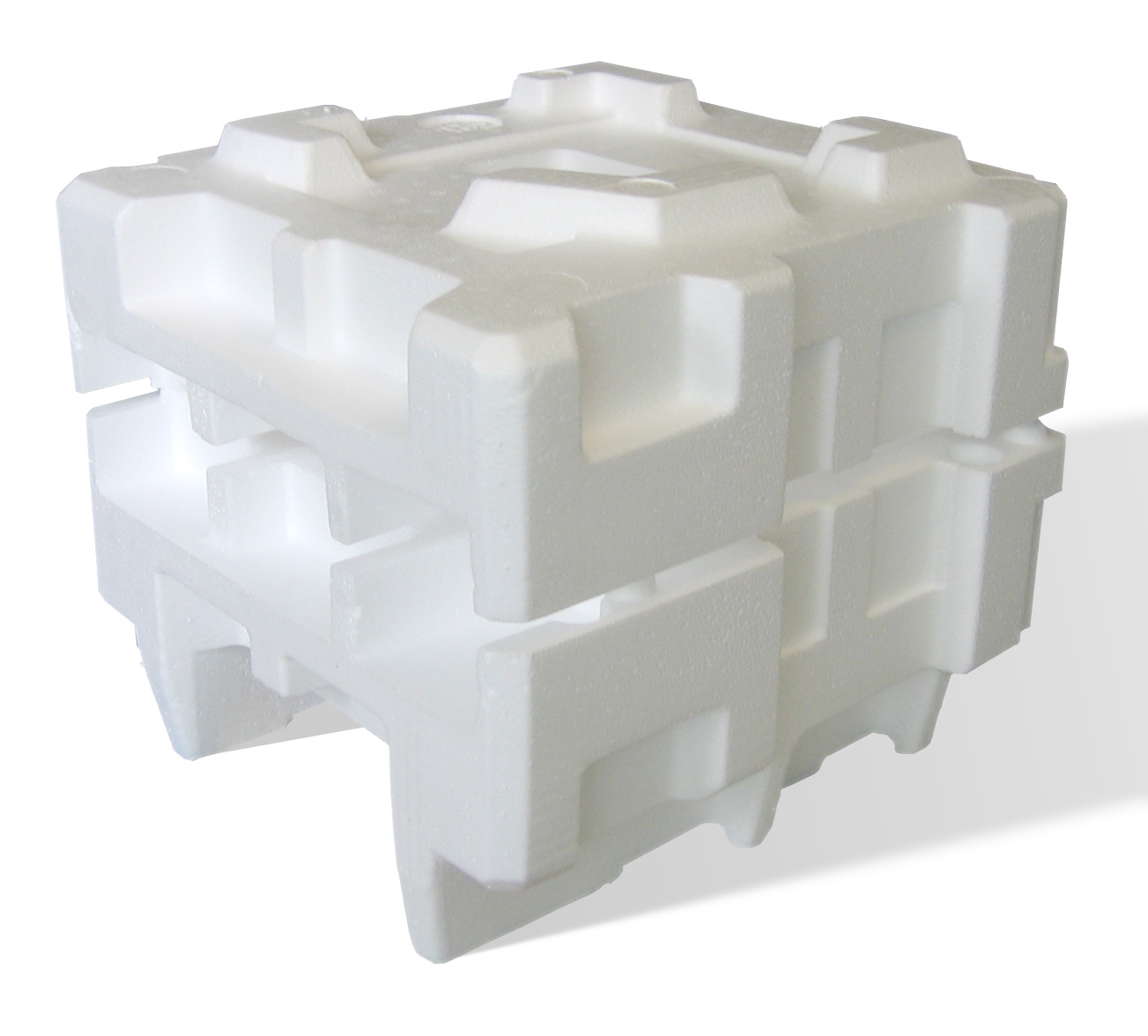
Package cushioning is used to protect items during shipment. Vibration and impact shock during shipment and loading/unloading are controlled by cushioning to reduce the chance of product damage.
Cushioning is usually inside a shipping container such as a corrugated box. It is designed to absorb shock by crushing and deforming, and to dampen vibration, rather than transmitting the shock and vibration to the protected item. Depending on the specific situation, package cushioning is often between 50 and 75 mm (2 and 3 in) thick.
Internal packaging materials are also used for functions other than cushioning, such as to immobilize the products in the box and lock them in place, or to fill a void.
When designing packaging the choice of cushioning depends on many factors, including but not limited to:
Proper performance of cushioning is dependent on its proper design and use. It is often best to use a trained packaging engineer, reputable vendor, consultant, or independent laboratory. An engineer needs to know the severity of shock (drop height, etc.) to protect against. This can be based on an existing specification, published industry standards and publications, field studies, etc.
Knowledge of the product to be packaged is critical. Field experience may indicate the types of damage previously experienced. Laboratory analysis can help quantify the fragility of the item, often reported in g's. Engineering judgment can also be an excellent starting point. Sometimes a product can be made more rugged or can be supported to make it less susceptible to breakage.
The amount of shock transmitted by a particular cushioning material is largely dependent on the thickness of the cushion, the drop height, and the load-bearing area of the cushion (static loading). A cushion must deform under shock for it to function. If a product is on a large load-bearing area, the cushion may not deform and will not cushion the shock. If the load-bearing area is too small, the product may "bottom out" during a shock; the shock is not cushioned. Engineers use "cushion curves" to choose the best thickness and load-bearing area for a cushioning material. Often two to three inches (50 – 75 mm) of cushioning are needed to protect fragile items.
Computer simulations and finite element analysis are also being used. Some correlations to laboratory drop tests have been successful.
Hub AI
Package cushioning AI simulator
(@Package cushioning_simulator)
Package cushioning
Package cushioning is used to protect items during shipment. Vibration and impact shock during shipment and loading/unloading are controlled by cushioning to reduce the chance of product damage.
Cushioning is usually inside a shipping container such as a corrugated box. It is designed to absorb shock by crushing and deforming, and to dampen vibration, rather than transmitting the shock and vibration to the protected item. Depending on the specific situation, package cushioning is often between 50 and 75 mm (2 and 3 in) thick.
Internal packaging materials are also used for functions other than cushioning, such as to immobilize the products in the box and lock them in place, or to fill a void.
When designing packaging the choice of cushioning depends on many factors, including but not limited to:
Proper performance of cushioning is dependent on its proper design and use. It is often best to use a trained packaging engineer, reputable vendor, consultant, or independent laboratory. An engineer needs to know the severity of shock (drop height, etc.) to protect against. This can be based on an existing specification, published industry standards and publications, field studies, etc.
Knowledge of the product to be packaged is critical. Field experience may indicate the types of damage previously experienced. Laboratory analysis can help quantify the fragility of the item, often reported in g's. Engineering judgment can also be an excellent starting point. Sometimes a product can be made more rugged or can be supported to make it less susceptible to breakage.
The amount of shock transmitted by a particular cushioning material is largely dependent on the thickness of the cushion, the drop height, and the load-bearing area of the cushion (static loading). A cushion must deform under shock for it to function. If a product is on a large load-bearing area, the cushion may not deform and will not cushion the shock. If the load-bearing area is too small, the product may "bottom out" during a shock; the shock is not cushioned. Engineers use "cushion curves" to choose the best thickness and load-bearing area for a cushioning material. Often two to three inches (50 – 75 mm) of cushioning are needed to protect fragile items.
Computer simulations and finite element analysis are also being used. Some correlations to laboratory drop tests have been successful.
Recent media