


Community hub
Recent from talks
Contribute something to knowledge base
Content stats: 0 posts, 0 articles, 1 media, 0 notes
Members stats: 0 subscribers, 0 contributors, 0 moderators, 0 supporters
Subscribers
Supporters
Contributors
Moderators
Hub AI
Cybele Kirk AI simulator
(@Cybele Kirk_simulator)
Hub AI
Cybele Kirk AI simulator
(@Cybele Kirk_simulator)
Cybele Kirk
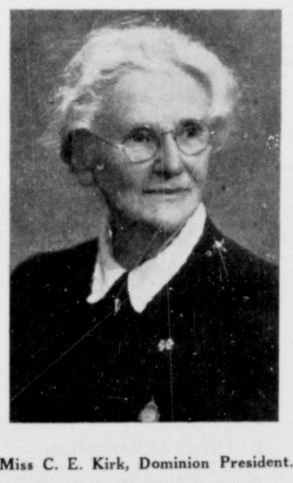
Cybele Ethel Kirk (1 October 1870 – 19 May 1957) was a New Zealand temperance and welfare worker, suffragist, and teacher. Kirk was one of the first women appointed Justice of the Peace in New Zealand. After serving for many years as president of the Wellington chapter of the Women's Christian Temperance Union of New Zealand (WCTU NZ), she was elected in 1930 as the national Union's recording secretary. She simultaneously served as president of the National Council of Women of New Zealand from 1934 to 1937. She was elected president of the WCTU NZ in 1946, serving in that role through 1949.
Kirk was born in Auckland in New Zealand on 1 October 1870. Her parents were Sarah Jane and Thomas Kirk. Her father was an enthusiastic botanist who was a museum curator who later lectured on the natural sciences at Wellington College. She was one of nine children and five, including Thomas, Harry and Lily, who survived to adulthood. She used the name, Cybele, as a child but used, Ethel, in later life. When she was three her family moved to Wellington as her father continued his career in Botany. She, her sisters and her mother assisted her father by gathering plants.
Her mother Sarah Jane Kirk was a leader in the Wellington Christian Ladies' Association and the Wellington chapter of the Women's Christian Temperance Union New Zealand; and she encouraged her three daughters to participate in these organizations as they worked to support impoverished families and victims of domestic violence. However, when Cybele was singled out to serve as an officer in the Society for the Protection of Women and Children, a new organization started up by her sister Lily, Sarah Jane protested as she thought the work to be too difficult for the delicate nature of Cybele's health at the time.
In 1893, Cybele Kirk was one of over 30,000 women who signed the petition for the New Zealand Parliament to extend political franchise to women. At that time she lived on Brougham Street in Mt. Victoria, Wellington.
In 1898 her father Thomas Kirk died, and Cybele directed her Sunday School teacher skills to obtaining paid work teaching in a primary school. She was interested in the work and in 1905 she co-founded the Richmond Free Kindergarten Union.
Her mother died in 1916 and she moved to Riverbank Road in Ōtaki, where she got a job teaching at the Ōtaki Maori Boys College. In 1918 she worked through the flu epidemic, organised and ran an Emergency Hospital of 30 beds with only voluntary help. She stayed at the college until 1921. Her sister, Lily, died that year, and Kirk went on to be the secretary of the New Zealand Society for the Protection of Women and Children in 1924. She kept this post until 1937 looking after abandoned and unwed mothers and those affected by alcoholism. Cybele was very popular among the women who were served by the society. As reported in The White Ribbon: "When she takes her holiday, the members of Committee, who attend to the office and visiting are constantly met with this plaint: 'Isn't Miss Kirk here?' or 'I thought Miss Kirk would come to see me.'"
Kirk served for many years as secretary of the Wellington WCTU from the mid-1890s, often helping her mother Sarah Jane Kirk and sister Lily May Kirk Atkinson in temperance evangelism around Wellington and along the west coast of New Zealand. For example, in 1897 Lily formed a Union branch at Petone, focusing on a Girl's Sewing Guild. Cybele Kirk followed up later that year with a visit to Petone to help with organizational meeting ideas to help with recruitment and dissemination of temperance literature.
By 1903 Kirk was the national superintendent of the Narcotics department of the Women's Christian Temperance Union of New Zealand (WCTU NZ), emphasizing the need for additional literature about the debiliatory effects of tobacco. She was particularly worried about the rates of smoking among young children. In giving her report at the national convention that year she "demonstrated her own methods of procedure when winning small boys from the use of the forbidden cigarette."
Cybele Kirk
Cybele Ethel Kirk (1 October 1870 – 19 May 1957) was a New Zealand temperance and welfare worker, suffragist, and teacher. Kirk was one of the first women appointed Justice of the Peace in New Zealand. After serving for many years as president of the Wellington chapter of the Women's Christian Temperance Union of New Zealand (WCTU NZ), she was elected in 1930 as the national Union's recording secretary. She simultaneously served as president of the National Council of Women of New Zealand from 1934 to 1937. She was elected president of the WCTU NZ in 1946, serving in that role through 1949.
Kirk was born in Auckland in New Zealand on 1 October 1870. Her parents were Sarah Jane and Thomas Kirk. Her father was an enthusiastic botanist who was a museum curator who later lectured on the natural sciences at Wellington College. She was one of nine children and five, including Thomas, Harry and Lily, who survived to adulthood. She used the name, Cybele, as a child but used, Ethel, in later life. When she was three her family moved to Wellington as her father continued his career in Botany. She, her sisters and her mother assisted her father by gathering plants.
Her mother Sarah Jane Kirk was a leader in the Wellington Christian Ladies' Association and the Wellington chapter of the Women's Christian Temperance Union New Zealand; and she encouraged her three daughters to participate in these organizations as they worked to support impoverished families and victims of domestic violence. However, when Cybele was singled out to serve as an officer in the Society for the Protection of Women and Children, a new organization started up by her sister Lily, Sarah Jane protested as she thought the work to be too difficult for the delicate nature of Cybele's health at the time.
In 1893, Cybele Kirk was one of over 30,000 women who signed the petition for the New Zealand Parliament to extend political franchise to women. At that time she lived on Brougham Street in Mt. Victoria, Wellington.
In 1898 her father Thomas Kirk died, and Cybele directed her Sunday School teacher skills to obtaining paid work teaching in a primary school. She was interested in the work and in 1905 she co-founded the Richmond Free Kindergarten Union.
Her mother died in 1916 and she moved to Riverbank Road in Ōtaki, where she got a job teaching at the Ōtaki Maori Boys College. In 1918 she worked through the flu epidemic, organised and ran an Emergency Hospital of 30 beds with only voluntary help. She stayed at the college until 1921. Her sister, Lily, died that year, and Kirk went on to be the secretary of the New Zealand Society for the Protection of Women and Children in 1924. She kept this post until 1937 looking after abandoned and unwed mothers and those affected by alcoholism. Cybele was very popular among the women who were served by the society. As reported in The White Ribbon: "When she takes her holiday, the members of Committee, who attend to the office and visiting are constantly met with this plaint: 'Isn't Miss Kirk here?' or 'I thought Miss Kirk would come to see me.'"
Kirk served for many years as secretary of the Wellington WCTU from the mid-1890s, often helping her mother Sarah Jane Kirk and sister Lily May Kirk Atkinson in temperance evangelism around Wellington and along the west coast of New Zealand. For example, in 1897 Lily formed a Union branch at Petone, focusing on a Girl's Sewing Guild. Cybele Kirk followed up later that year with a visit to Petone to help with organizational meeting ideas to help with recruitment and dissemination of temperance literature.
By 1903 Kirk was the national superintendent of the Narcotics department of the Women's Christian Temperance Union of New Zealand (WCTU NZ), emphasizing the need for additional literature about the debiliatory effects of tobacco. She was particularly worried about the rates of smoking among young children. In giving her report at the national convention that year she "demonstrated her own methods of procedure when winning small boys from the use of the forbidden cigarette."
Recent media
Recent media