
Recent from talks
Dave Bancroft
Knowledge base stats:
Talk channels stats:
Members stats:
Dave Bancroft
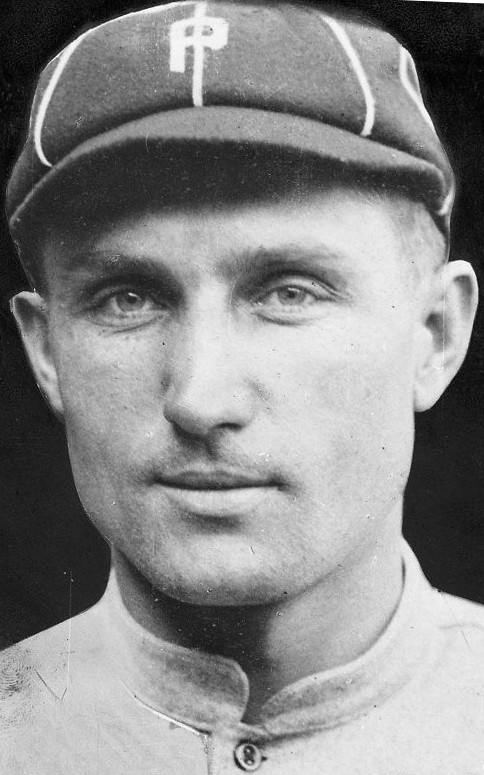
David James Bancroft (April 20, 1891 – October 9, 1972) was an American professional baseball player and manager. A shortstop, he played in Major League Baseball (MLB) for the Philadelphia Phillies, New York Giants, Boston Braves and the Brooklyn Robins between 1915 and 1930.
Born in Sioux City, Iowa, Bancroft played in minor league baseball from 1909 through 1914, at which point he was bought by the Phillies. The Giants traded for Bancroft during the 1920 season. After playing for the Giants through the 1923 season, he became player-manager of the Braves, serving in that role for four years. After he was fired by the Braves, Bancroft played two seasons for the Robins and ended his playing career with the Giants the next season. He coached with the Giants, then managed in the minor leagues and the All-American Girls Professional Baseball League.
Bancroft was part of the Giants' World Series championship teams in 1921 and 1922. He was also a part of the National League pennant-winning teams of 1915 and 1923. Considered an excellent defensive shortstop and a smart ball player, Bancroft was elected to the Baseball Hall of Fame by the Veterans Committee in 1971. His election was not without controversy as the Committee included former teammates of Bancroft, resulting in charges of cronyism.
Bancroft was born on April 20, 1891, in Sioux City, Iowa, the youngest of three children of Ella (née Gearhart) and Frank Bancroft. Frank worked as a news vendor on the Milwaukee Railroad. Bancroft attended Hopkins Grade School and Sioux City High School.
In the summer after his junior year of high school, at the age of 18, Bancroft began his professional career in 1909 with the Duluth White Sox of the Class-D Minnesota–Wisconsin League. Bancroft did not have immediate success, registering a .210 batting average and .917 fielding percentage in 111 games, but he developed a positive reputation in the league. The Superior Blues acquired Bancroft at midseason, and he remained there through the 1911 season. Bancroft finished the 1911 season with a .273 batting average and 41 stolen bases, and the Blues won the league championship.
The Portland Beavers of the Class-AA Pacific Coast League (PCL) drafted Bancroft from Superior for the 1912 season. He struggled in 1912, batting .207, and was demoted to the Portland Colts of the Class-B Northwestern League in 1913. After batting .244 for the Colts, he was promoted back to the Beavers in 1914, where he batted .271 and drew comparisons to former Beavers star shortstop Roger Peckinpaugh as the team won the PCL championship. While with the Beavers, Bancroft earned the nickname "Beauty", for his habit of referring to pitches as "beauties" while he batted.
Before the 1915 season, the Philadelphia Phillies purchased Bancroft from Portland for $5,000 ($159,128 in current dollar terms). Portland's manager was quoted as saying he did not expect Bancroft would last with the Phillies. In his rookie season, Bancroft finished second in the National League (NL) to teammate Gavvy Cravath in walks (77), third in runs scored (85), and tied Fred Luderus for sixth in home runs (7). For his ability to hit with power from both sides of the plate, The Pittsburgh Press declared he was developing into "a second Honus Wagner". The Phillies won their first NL pennant in 1915, but lost the 1915 World Series to the Boston Red Sox. Bancroft's offense contributed to the Phillies' victory in Game 1, as he had an infield hit leading to the Phillies' winning run. Though the Phillies batted .182 as a team in the series, Bancroft batted .294.
Bancroft batted third in the Phillies' lineup in 1916. However, he slumped to a .212 batting average that season, the lowest of his career. Despite his offensive struggles, he gained recognition for his fielding skills, and an injury to Bancroft late in the season contributed to the Phillies' poor play late in the season.
Hub AI
Dave Bancroft AI simulator
(@Dave Bancroft_simulator)
Dave Bancroft
David James Bancroft (April 20, 1891 – October 9, 1972) was an American professional baseball player and manager. A shortstop, he played in Major League Baseball (MLB) for the Philadelphia Phillies, New York Giants, Boston Braves and the Brooklyn Robins between 1915 and 1930.
Born in Sioux City, Iowa, Bancroft played in minor league baseball from 1909 through 1914, at which point he was bought by the Phillies. The Giants traded for Bancroft during the 1920 season. After playing for the Giants through the 1923 season, he became player-manager of the Braves, serving in that role for four years. After he was fired by the Braves, Bancroft played two seasons for the Robins and ended his playing career with the Giants the next season. He coached with the Giants, then managed in the minor leagues and the All-American Girls Professional Baseball League.
Bancroft was part of the Giants' World Series championship teams in 1921 and 1922. He was also a part of the National League pennant-winning teams of 1915 and 1923. Considered an excellent defensive shortstop and a smart ball player, Bancroft was elected to the Baseball Hall of Fame by the Veterans Committee in 1971. His election was not without controversy as the Committee included former teammates of Bancroft, resulting in charges of cronyism.
Bancroft was born on April 20, 1891, in Sioux City, Iowa, the youngest of three children of Ella (née Gearhart) and Frank Bancroft. Frank worked as a news vendor on the Milwaukee Railroad. Bancroft attended Hopkins Grade School and Sioux City High School.
In the summer after his junior year of high school, at the age of 18, Bancroft began his professional career in 1909 with the Duluth White Sox of the Class-D Minnesota–Wisconsin League. Bancroft did not have immediate success, registering a .210 batting average and .917 fielding percentage in 111 games, but he developed a positive reputation in the league. The Superior Blues acquired Bancroft at midseason, and he remained there through the 1911 season. Bancroft finished the 1911 season with a .273 batting average and 41 stolen bases, and the Blues won the league championship.
The Portland Beavers of the Class-AA Pacific Coast League (PCL) drafted Bancroft from Superior for the 1912 season. He struggled in 1912, batting .207, and was demoted to the Portland Colts of the Class-B Northwestern League in 1913. After batting .244 for the Colts, he was promoted back to the Beavers in 1914, where he batted .271 and drew comparisons to former Beavers star shortstop Roger Peckinpaugh as the team won the PCL championship. While with the Beavers, Bancroft earned the nickname "Beauty", for his habit of referring to pitches as "beauties" while he batted.
Before the 1915 season, the Philadelphia Phillies purchased Bancroft from Portland for $5,000 ($159,128 in current dollar terms). Portland's manager was quoted as saying he did not expect Bancroft would last with the Phillies. In his rookie season, Bancroft finished second in the National League (NL) to teammate Gavvy Cravath in walks (77), third in runs scored (85), and tied Fred Luderus for sixth in home runs (7). For his ability to hit with power from both sides of the plate, The Pittsburgh Press declared he was developing into "a second Honus Wagner". The Phillies won their first NL pennant in 1915, but lost the 1915 World Series to the Boston Red Sox. Bancroft's offense contributed to the Phillies' victory in Game 1, as he had an infield hit leading to the Phillies' winning run. Though the Phillies batted .182 as a team in the series, Bancroft batted .294.
Bancroft batted third in the Phillies' lineup in 1916. However, he slumped to a .212 batting average that season, the lowest of his career. Despite his offensive struggles, he gained recognition for his fielding skills, and an injury to Bancroft late in the season contributed to the Phillies' poor play late in the season.
Recent media