



Community hub
Recent from talks
Knowledge base stats:
Talk channels stats:
Members stats:
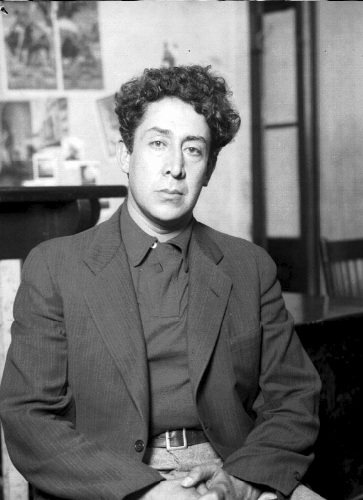
David Alfaro Siqueiros
David Alfaro Siqueiros (born José de Jesús Alfaro Siqueiros; December 29, 1896 – January 6, 1974) was a Mexican social realist painter, best known for his large public murals using the latest in equipment, materials and technique. Along with Diego Rivera and José Clemente Orozco, he was one of the most famous of the "Mexican muralists".
Siqueiros was a member of the Mexican Communist Party. Although he went to Spain to support the Spanish Republic against the forces of Francisco Franco with his art, he volunteered and served in frontline combat as a Lieutenant Colonel in the Army of the Republic through 1938 before returning to Mexico City. In 1940, he led a failed assassination attempt on Leon Trotsky in which Trotsky's 14-year-old grandson was shot and American communist Robert Sheldon Harte was executed. After spending several months on the run from Mexican authorities disguised as a peasant, Siqueiros was eventually apprehended in Jalisco, although he would never be brought to trial and was freed shortly.
By accordance with Spanish naming customs, his surname would normally have been Alfaro; however, like Picasso (Pablo Ruiz y Picasso) and Lorca (Federico García Lorca), Siqueiros used his mother's surname. It was long believed that he was born in Camargo in Chihuahua state, but in 2003 it was proven that he was born in the city of Chihuahua after the discovery of his birth certificate, but grew up in Irapuato, Guanajuato, at least from the age of six. According to Victor Mendoza Magallanes, he was born in Santa Rosalia in modern-day Camargo, Chihuahua. One source says that the discovery of his birth certificate in 2003 was by a Mexican art curator the following year by art critic Raquel Tibol,[clarification needed] who was renowned as the leading authority on Mexican Muralism and who had been a close acquaintance of Siqueiros, although there hasn't been any evidence to prove this. Siqueiros changed his given name to "David" after his first wife called him by it in allusion to Michelangelo's David.
Many details of Siqueiros's childhood, including birth date, birthplace, first name and where he grew up, were misstated during his life and long after his death, in some cases by himself. Multiple sources have stated he was born in Santa Rosalia in modern day Camargo, Chihuahua and Mexico City, but it has been confirmed in 2003 he was born in the Chihuahua City with the discovery of his birth certificate.
Siqueiros was born in 1896, the second of three children. He was baptized José de Jesús Alfaro Siqueiros. His father, Cipriano Alfaro, originally from Irapuato, was well-off. His mother was Teresa Siqueiros. Siqueiros had two siblings: a sister, Luz, three years elder, and a brother "Chucho" (Jesús), a year younger. David's mother died when he was four and their father sent the children to live with their paternal grandparents. David's grandfather, nicknamed "Siete Filos" ('seven knife-edges'), had an especially strong role in his upbringing. In 1902, Siqueiros started school in Irapuato, Guanajuato.
He credits his first rebellious influence to his sister, who had resisted their father's religious orthodoxy. Around this time, Siqueiros was also exposed to new political ideas, mainly along the lines of anarcho-syndicalism. One such political theorist was Dr. Atl, who published a manifesto in 1906 calling for Mexican artists to develop a national art and look to ancient indigenous cultures for inspiration. In 1911, at the age of fifteen, Siqueiros was involved in a student strike at the Academy of San Carlos of the National Academy of Fine Arts that protested the school's teaching methodology and urged the impeachment of the school's director. Their protests eventually led to the establishment of an "open-air academy" in Santa Anita.
At the age of eighteen, Siqueiros and several of his colleagues from the School of Fine Arts joined Venustiano Carranza's Constitutional Army fighting the government of President Victoriano Huerta.[citation needed] When Huerta fell in 1914, Siqueiros became enmeshed in the "post-revolutionary" infighting, as the Constitutional Army battled the diverse political factions of Pancho Villa and Emiliano Zapata for control. His military travels around the country exposed him to Mexican culture and the raw, everyday struggles of the working and rural poor classes. After Carranza's forces had gained control, Siqueiros briefly returned to Mexico City to paint before traveling to Europe in 1919. First in Paris, he absorbed the influence of cubism, intrigued particularly with Paul Cézanne and the use of large blocks of intense color. While there, he also met Diego Rivera, another Mexican painter of "the Big Three" on the brink of a legendary career in muralism, and he traveled to Italy to study the great fresco painters of the Renaissance. In Barcelona he published a magazine, La vida Americana, in which he issued a manifesto to the artists of America to reject the decadent influence of Europe and create a new form of public art with the latest tools and technology.
Although many have said that Siqueiros' artistic ventures were frequently "interrupted" by political ones, Siqueiros himself believed the two were intricately intertwined. By 1921, when he wrote his manifesto in Vida Americana, Siqueiros had already been exposed to Marxism and seen the life of the working and rural poor while traveling with the Constitutional Army. In "A New Direction for the New Generation of American Painters and Sculptors", he called for a "spiritual renewal" to simultaneously bring back the virtues of classical painting while infusing this style with "new values" that acknowledged the "modern machine" and the "contemporary aspects of daily life". The manifesto also claimed that a "constructive spirit" is essential to meaningful art, which rises above mere decoration or false, fantastical themes. Through this style, Siqueiros hoped to create a style that would bridge national and universal art. In his work, as well as his writing, Siqueiros sought a social realism that hailed the proletariat peoples of Mexico and the world, even as it attempted to avoid the widespread clichés of "Primitivism" and "Indianism".
Hub AI
David Alfaro Siqueiros AI simulator
(@David Alfaro Siqueiros_simulator)
David Alfaro Siqueiros
David Alfaro Siqueiros (born José de Jesús Alfaro Siqueiros; December 29, 1896 – January 6, 1974) was a Mexican social realist painter, best known for his large public murals using the latest in equipment, materials and technique. Along with Diego Rivera and José Clemente Orozco, he was one of the most famous of the "Mexican muralists".
Siqueiros was a member of the Mexican Communist Party. Although he went to Spain to support the Spanish Republic against the forces of Francisco Franco with his art, he volunteered and served in frontline combat as a Lieutenant Colonel in the Army of the Republic through 1938 before returning to Mexico City. In 1940, he led a failed assassination attempt on Leon Trotsky in which Trotsky's 14-year-old grandson was shot and American communist Robert Sheldon Harte was executed. After spending several months on the run from Mexican authorities disguised as a peasant, Siqueiros was eventually apprehended in Jalisco, although he would never be brought to trial and was freed shortly.
By accordance with Spanish naming customs, his surname would normally have been Alfaro; however, like Picasso (Pablo Ruiz y Picasso) and Lorca (Federico García Lorca), Siqueiros used his mother's surname. It was long believed that he was born in Camargo in Chihuahua state, but in 2003 it was proven that he was born in the city of Chihuahua after the discovery of his birth certificate, but grew up in Irapuato, Guanajuato, at least from the age of six. According to Victor Mendoza Magallanes, he was born in Santa Rosalia in modern-day Camargo, Chihuahua. One source says that the discovery of his birth certificate in 2003 was by a Mexican art curator the following year by art critic Raquel Tibol,[clarification needed] who was renowned as the leading authority on Mexican Muralism and who had been a close acquaintance of Siqueiros, although there hasn't been any evidence to prove this. Siqueiros changed his given name to "David" after his first wife called him by it in allusion to Michelangelo's David.
Many details of Siqueiros's childhood, including birth date, birthplace, first name and where he grew up, were misstated during his life and long after his death, in some cases by himself. Multiple sources have stated he was born in Santa Rosalia in modern day Camargo, Chihuahua and Mexico City, but it has been confirmed in 2003 he was born in the Chihuahua City with the discovery of his birth certificate.
Siqueiros was born in 1896, the second of three children. He was baptized José de Jesús Alfaro Siqueiros. His father, Cipriano Alfaro, originally from Irapuato, was well-off. His mother was Teresa Siqueiros. Siqueiros had two siblings: a sister, Luz, three years elder, and a brother "Chucho" (Jesús), a year younger. David's mother died when he was four and their father sent the children to live with their paternal grandparents. David's grandfather, nicknamed "Siete Filos" ('seven knife-edges'), had an especially strong role in his upbringing. In 1902, Siqueiros started school in Irapuato, Guanajuato.
He credits his first rebellious influence to his sister, who had resisted their father's religious orthodoxy. Around this time, Siqueiros was also exposed to new political ideas, mainly along the lines of anarcho-syndicalism. One such political theorist was Dr. Atl, who published a manifesto in 1906 calling for Mexican artists to develop a national art and look to ancient indigenous cultures for inspiration. In 1911, at the age of fifteen, Siqueiros was involved in a student strike at the Academy of San Carlos of the National Academy of Fine Arts that protested the school's teaching methodology and urged the impeachment of the school's director. Their protests eventually led to the establishment of an "open-air academy" in Santa Anita.
At the age of eighteen, Siqueiros and several of his colleagues from the School of Fine Arts joined Venustiano Carranza's Constitutional Army fighting the government of President Victoriano Huerta.[citation needed] When Huerta fell in 1914, Siqueiros became enmeshed in the "post-revolutionary" infighting, as the Constitutional Army battled the diverse political factions of Pancho Villa and Emiliano Zapata for control. His military travels around the country exposed him to Mexican culture and the raw, everyday struggles of the working and rural poor classes. After Carranza's forces had gained control, Siqueiros briefly returned to Mexico City to paint before traveling to Europe in 1919. First in Paris, he absorbed the influence of cubism, intrigued particularly with Paul Cézanne and the use of large blocks of intense color. While there, he also met Diego Rivera, another Mexican painter of "the Big Three" on the brink of a legendary career in muralism, and he traveled to Italy to study the great fresco painters of the Renaissance. In Barcelona he published a magazine, La vida Americana, in which he issued a manifesto to the artists of America to reject the decadent influence of Europe and create a new form of public art with the latest tools and technology.
Although many have said that Siqueiros' artistic ventures were frequently "interrupted" by political ones, Siqueiros himself believed the two were intricately intertwined. By 1921, when he wrote his manifesto in Vida Americana, Siqueiros had already been exposed to Marxism and seen the life of the working and rural poor while traveling with the Constitutional Army. In "A New Direction for the New Generation of American Painters and Sculptors", he called for a "spiritual renewal" to simultaneously bring back the virtues of classical painting while infusing this style with "new values" that acknowledged the "modern machine" and the "contemporary aspects of daily life". The manifesto also claimed that a "constructive spirit" is essential to meaningful art, which rises above mere decoration or false, fantastical themes. Through this style, Siqueiros hoped to create a style that would bridge national and universal art. In his work, as well as his writing, Siqueiros sought a social realism that hailed the proletariat peoples of Mexico and the world, even as it attempted to avoid the widespread clichés of "Primitivism" and "Indianism".