
Recent from talks
David Clayton-Thomas
Knowledge base stats:
Talk channels stats:
Members stats:
David Clayton-Thomas
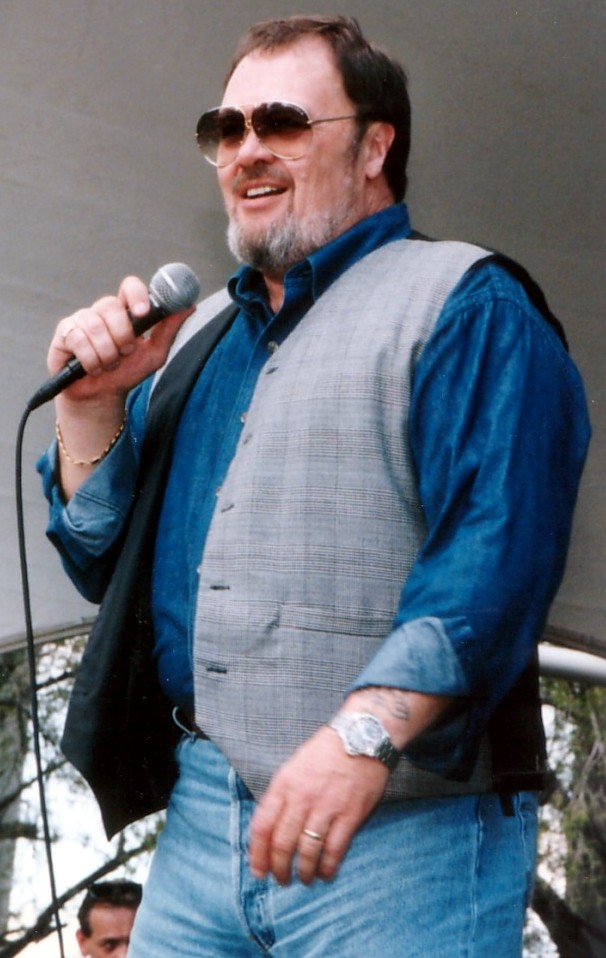
David Clayton-Thomas (born David Henry Thomsett, 13 September 1941 – 24 June 2026) was a British-Canadian musician, singer and songwriter, best known as the lead vocalist of the American band Blood, Sweat & Tears.
Clayton-Thomas began his music career in the early 1960s, working the clubs on Toronto's Yonge Street, where he discovered his love of singing and playing the blues. Before moving to New York City in 1967, Clayton-Thomas fronted a couple of local bands, first The Shays and then The Bossmen, one of the earliest rock bands with significant jazz influences. His main success came only a few difficult years later when he joined Blood, Sweat & Tears, with whom he won a Grammy award.
He was inducted into the Canadian Music Hall of Fame and in 2007 his jazz/rock composition "Spinning Wheel" was enshrined in the Canadian Songwriter's Hall of Fame. In 2010, Clayton-Thomas received his star on Canada's Walk of Fame.
Clayton-Thomas was born in Kingston upon Thames, Surrey, England, the son of Fred Thomsett, a decorated Canadian soldier of World War II. Clayton-Thomas's mother, Freda May (née Smith), played the piano and met Thomsett when she came to entertain the troops at a London hospital. After the war, the family settled in Willowdale, Toronto. Clayton-Thomas's father was an abusive alcoholic who beat him. By the time Clayton-Thomas was fourteen, he had left home and was sleeping in parked cars and abandoned buildings and stealing food and clothing to survive. He was arrested several times for vagrancy, petty theft, and street brawls and spent much of his teens in various jails and reformatories, including the Burwash Industrial Farm.
Clayton-Thomas inherited a love for music from his mother, and when an old guitar came into his possession, left behind by an outgoing inmate, he began to teach himself to play. Upon his release from detention in 1962, he gravitated to the Yonge Street "strip" in Toronto. Rhythm & blues migrating up from Detroit and Chicago was the music of choice on the strip, and Arkansas rockabilly pioneer Ronnie Hawkins recognized the formidable talent of the young 'Sonny' Thomas and took him under his wing. It wasn't long before he was fronting his own bands. The first was called David Clayton Thomas and The Fabulous Shays. By this time, he had changed his surname to put some distance between his new life and his troubled teenage years.
In 1964 Clayton-Thomas and The Shays recorded a rendition of John Lee Hooker's "Boom Boom". This led to a New York engagement for the Shays on NBC-TV's Hullabaloo at the invitation of its host, fellow Canadian Paul Anka. Abandoning the bars on the strip, Clayton-Thomas began performing in Yorkville Village's coffeehouses. He immersed himself in the local jazz and blues scene dominated by the likes of John Lee Hooker, Joe Williams, Sonny Terry, Brownie McGhee, Lenny Breau, Oscar Peterson, and Moe Koffman. The album David Clayton Thomas and the Shays à Go-Go was recorded for Roman Records in 1965, and was followed by David Clayton Thomas Sings Like It Is! for the same label in 1966. Clayton-Thomas made his mark more forcibly with his next band, The Bossmen, one of the first rock bands anywhere to include jazz musicians. In 1966 he wrote and performed the R&B-driven anti-war song "Brainwashed", which became a major Canadian hit, peaking at No. 11 on the national RPM chart.
One night in 1966, after "sitting in" with blues singer John Lee Hooker in Yorkville, Clayton-Thomas left with him for New York. They played a Greenwich Village club for a couple of weeks; Hooker then left for Europe and Clayton-Thomas stayed on in New York City. He survived by playing "basket houses", where performers were given a few minutes of stage time and then passed the basket.
Folk singer Judy Collins heard Clayton-Thomas one night at a club uptown and told her friend, drummer Bobby Colomby, about him. Bobby's band, Blood Sweat & Tears, had broken up four months after releasing its debut Columbia Records album, Child Is Father to the Man. Colomby was impressed with Clayton-Thomas's vocal talent and he invited him to join the band. They took the reformed group into the Cafe Au Go-Go in the Village.
Hub AI
David Clayton-Thomas AI simulator
(@David Clayton-Thomas_simulator)
David Clayton-Thomas
David Clayton-Thomas (born David Henry Thomsett, 13 September 1941 – 24 June 2026) was a British-Canadian musician, singer and songwriter, best known as the lead vocalist of the American band Blood, Sweat & Tears.
Clayton-Thomas began his music career in the early 1960s, working the clubs on Toronto's Yonge Street, where he discovered his love of singing and playing the blues. Before moving to New York City in 1967, Clayton-Thomas fronted a couple of local bands, first The Shays and then The Bossmen, one of the earliest rock bands with significant jazz influences. His main success came only a few difficult years later when he joined Blood, Sweat & Tears, with whom he won a Grammy award.
He was inducted into the Canadian Music Hall of Fame and in 2007 his jazz/rock composition "Spinning Wheel" was enshrined in the Canadian Songwriter's Hall of Fame. In 2010, Clayton-Thomas received his star on Canada's Walk of Fame.
Clayton-Thomas was born in Kingston upon Thames, Surrey, England, the son of Fred Thomsett, a decorated Canadian soldier of World War II. Clayton-Thomas's mother, Freda May (née Smith), played the piano and met Thomsett when she came to entertain the troops at a London hospital. After the war, the family settled in Willowdale, Toronto. Clayton-Thomas's father was an abusive alcoholic who beat him. By the time Clayton-Thomas was fourteen, he had left home and was sleeping in parked cars and abandoned buildings and stealing food and clothing to survive. He was arrested several times for vagrancy, petty theft, and street brawls and spent much of his teens in various jails and reformatories, including the Burwash Industrial Farm.
Clayton-Thomas inherited a love for music from his mother, and when an old guitar came into his possession, left behind by an outgoing inmate, he began to teach himself to play. Upon his release from detention in 1962, he gravitated to the Yonge Street "strip" in Toronto. Rhythm & blues migrating up from Detroit and Chicago was the music of choice on the strip, and Arkansas rockabilly pioneer Ronnie Hawkins recognized the formidable talent of the young 'Sonny' Thomas and took him under his wing. It wasn't long before he was fronting his own bands. The first was called David Clayton Thomas and The Fabulous Shays. By this time, he had changed his surname to put some distance between his new life and his troubled teenage years.
In 1964 Clayton-Thomas and The Shays recorded a rendition of John Lee Hooker's "Boom Boom". This led to a New York engagement for the Shays on NBC-TV's Hullabaloo at the invitation of its host, fellow Canadian Paul Anka. Abandoning the bars on the strip, Clayton-Thomas began performing in Yorkville Village's coffeehouses. He immersed himself in the local jazz and blues scene dominated by the likes of John Lee Hooker, Joe Williams, Sonny Terry, Brownie McGhee, Lenny Breau, Oscar Peterson, and Moe Koffman. The album David Clayton Thomas and the Shays à Go-Go was recorded for Roman Records in 1965, and was followed by David Clayton Thomas Sings Like It Is! for the same label in 1966. Clayton-Thomas made his mark more forcibly with his next band, The Bossmen, one of the first rock bands anywhere to include jazz musicians. In 1966 he wrote and performed the R&B-driven anti-war song "Brainwashed", which became a major Canadian hit, peaking at No. 11 on the national RPM chart.
One night in 1966, after "sitting in" with blues singer John Lee Hooker in Yorkville, Clayton-Thomas left with him for New York. They played a Greenwich Village club for a couple of weeks; Hooker then left for Europe and Clayton-Thomas stayed on in New York City. He survived by playing "basket houses", where performers were given a few minutes of stage time and then passed the basket.
Folk singer Judy Collins heard Clayton-Thomas one night at a club uptown and told her friend, drummer Bobby Colomby, about him. Bobby's band, Blood Sweat & Tears, had broken up four months after releasing its debut Columbia Records album, Child Is Father to the Man. Colomby was impressed with Clayton-Thomas's vocal talent and he invited him to join the band. They took the reformed group into the Cafe Au Go-Go in the Village.
Recent media