
Recent from talks
Decomposition
Knowledge base stats:
Talk channels stats:
Members stats:
Decomposition
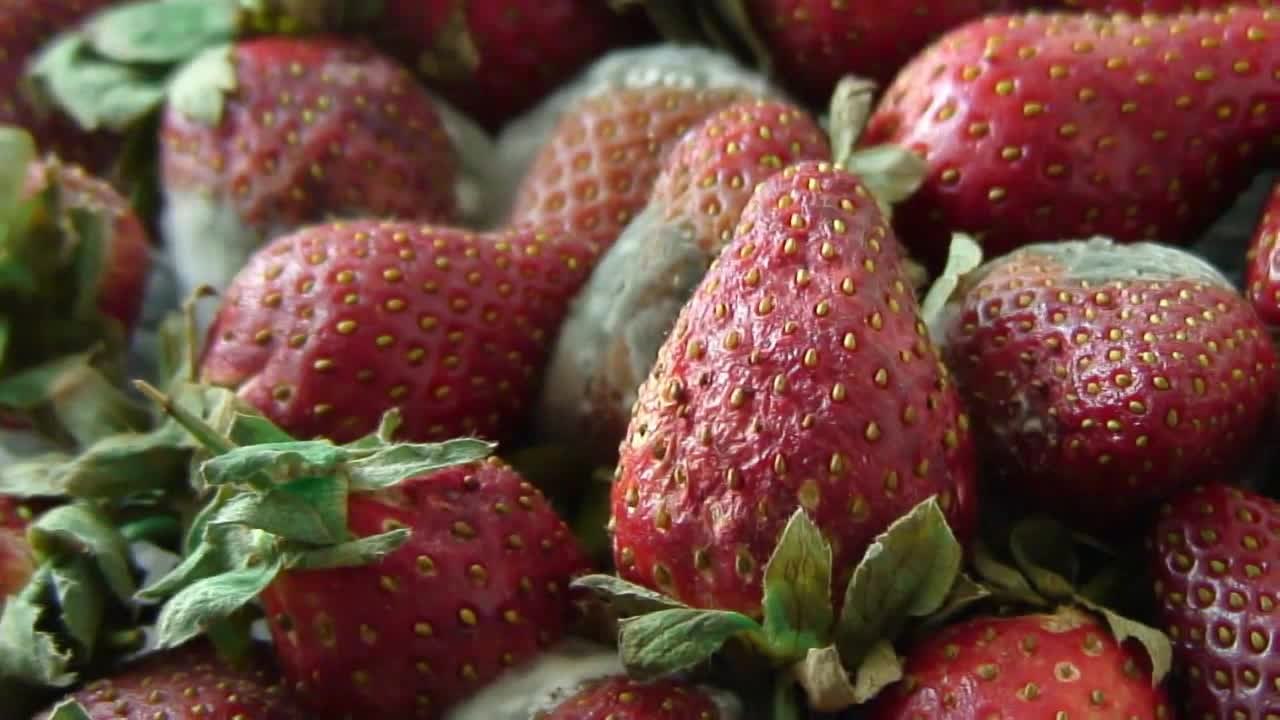
Decomposition is the process by which dead organic substances are broken down into simpler organic or inorganic matter such as carbon dioxide, water, simple sugars and mineral salts. The process is a part of the nutrient cycle and is essential for recycling the finite matter that occupies physical space in the biosphere. Bodies of living organisms begin to decompose shortly after death. Although no two organisms decompose in the same way, they all undergo the same sequential stages of decomposition. Decomposition can be a gradual process for organisms that have extended periods of dormancy.
One can differentiate abiotic decomposition from biotic decomposition (biodegradation); the former means "the degradation of a substance by chemical or physical processes", e.g., hydrolysis; the latter means "the metabolic breakdown of materials into simpler components by living organisms", typically by microorganisms. Animals, such as earthworms, also help decompose the organic materials on and in soil through their activities. Organisms that do this are known as decomposers or detritivores.
The science which studies decomposition is generally referred to as taphonomy from the Greek word taphos, meaning tomb.
Decomposition begins at the moment of death, caused by two factors: autolysis, the breaking down of tissues by the body's own internal chemicals and enzymes, and putrefaction, the breakdown of tissues by bacteria. These processes release compounds such as cadaverine and putrescine, that are the chief source of the unmistakably putrid odor of decaying animal tissue.
Prime decomposers are bacteria or fungi, though larger scavengers also play an important role in decomposition if the body is accessible to insects, mites and other animals. Additionally, soil animals are considered key regulators of decomposition at local scales but their role at larger scales is unresolved. The most important arthropods that are involved in the process include carrion beetles, mites, the flesh flies (Sarcophagidae) and blowflies (Calliphoridae), such as the green bottle flies seen in the summer. In North America, the most important non-insect animals that are typically involved in the process include mammal and bird scavengers, such as coyotes, dogs, wolves, foxes, rats, crows and vultures. Some of these scavengers also remove and scatter bones, which they ingest at a later time. Aquatic and marine environments have break-down agents that include bacteria, fish, crustaceans, fly larvae and other carrion scavengers.
Five general stages are typically used to describe the process of decomposition in vertebrate animals: fresh, bloat, active decay, advanced decay, and dry/remains. The general stages of decomposition are coupled with two stages of chemical decomposition: autolysis and putrefaction. These two stages contribute to the chemical process of decomposition, which breaks down the main components of the body. With death the microbiome of the living organism collapses and is followed by the necrobiome that undergoes predictable changes over time.
Among those animals that have a heart, the fresh stage begins immediately after the heart stops beating. From the moment of death, the body begins cooling or warming to match the temperature of the ambient environment, during a stage called algor mortis. Shortly after death, within three to six hours, the muscular tissues become rigid and incapable of relaxing, during a stage called rigor mortis. Since blood is no longer being pumped through the body, gravity causes it to drain to the dependent portions of the body, creating an overall bluish-purple discoloration termed livor mortis or, more commonly, lividity. Depending on the position of the body, these parts would vary. For instance, if the person was flat on their back when they died, the blood would collect in the parts that are touching the ground. If the person was hanging, it would collect in their fingertips, toes and earlobes.
Once the heart stops, the blood can no longer supply oxygen or remove carbon dioxide from the tissues. The resulting decrease in pH and other chemical changes cause cells to lose their structural integrity, bringing about the release of cellular enzymes capable of initiating the breakdown of surrounding cells and tissues. This process is known as autolysis.
Hub AI
Decomposition AI simulator
(@Decomposition_simulator)
Decomposition
Decomposition is the process by which dead organic substances are broken down into simpler organic or inorganic matter such as carbon dioxide, water, simple sugars and mineral salts. The process is a part of the nutrient cycle and is essential for recycling the finite matter that occupies physical space in the biosphere. Bodies of living organisms begin to decompose shortly after death. Although no two organisms decompose in the same way, they all undergo the same sequential stages of decomposition. Decomposition can be a gradual process for organisms that have extended periods of dormancy.
One can differentiate abiotic decomposition from biotic decomposition (biodegradation); the former means "the degradation of a substance by chemical or physical processes", e.g., hydrolysis; the latter means "the metabolic breakdown of materials into simpler components by living organisms", typically by microorganisms. Animals, such as earthworms, also help decompose the organic materials on and in soil through their activities. Organisms that do this are known as decomposers or detritivores.
The science which studies decomposition is generally referred to as taphonomy from the Greek word taphos, meaning tomb.
Decomposition begins at the moment of death, caused by two factors: autolysis, the breaking down of tissues by the body's own internal chemicals and enzymes, and putrefaction, the breakdown of tissues by bacteria. These processes release compounds such as cadaverine and putrescine, that are the chief source of the unmistakably putrid odor of decaying animal tissue.
Prime decomposers are bacteria or fungi, though larger scavengers also play an important role in decomposition if the body is accessible to insects, mites and other animals. Additionally, soil animals are considered key regulators of decomposition at local scales but their role at larger scales is unresolved. The most important arthropods that are involved in the process include carrion beetles, mites, the flesh flies (Sarcophagidae) and blowflies (Calliphoridae), such as the green bottle flies seen in the summer. In North America, the most important non-insect animals that are typically involved in the process include mammal and bird scavengers, such as coyotes, dogs, wolves, foxes, rats, crows and vultures. Some of these scavengers also remove and scatter bones, which they ingest at a later time. Aquatic and marine environments have break-down agents that include bacteria, fish, crustaceans, fly larvae and other carrion scavengers.
Five general stages are typically used to describe the process of decomposition in vertebrate animals: fresh, bloat, active decay, advanced decay, and dry/remains. The general stages of decomposition are coupled with two stages of chemical decomposition: autolysis and putrefaction. These two stages contribute to the chemical process of decomposition, which breaks down the main components of the body. With death the microbiome of the living organism collapses and is followed by the necrobiome that undergoes predictable changes over time.
Among those animals that have a heart, the fresh stage begins immediately after the heart stops beating. From the moment of death, the body begins cooling or warming to match the temperature of the ambient environment, during a stage called algor mortis. Shortly after death, within three to six hours, the muscular tissues become rigid and incapable of relaxing, during a stage called rigor mortis. Since blood is no longer being pumped through the body, gravity causes it to drain to the dependent portions of the body, creating an overall bluish-purple discoloration termed livor mortis or, more commonly, lividity. Depending on the position of the body, these parts would vary. For instance, if the person was flat on their back when they died, the blood would collect in the parts that are touching the ground. If the person was hanging, it would collect in their fingertips, toes and earlobes.
Once the heart stops, the blood can no longer supply oxygen or remove carbon dioxide from the tissues. The resulting decrease in pH and other chemical changes cause cells to lose their structural integrity, bringing about the release of cellular enzymes capable of initiating the breakdown of surrounding cells and tissues. This process is known as autolysis.
Recent media