


Community hub
Recent from talks
Contribute something to knowledge base
Content stats: 0 posts, 0 articles, 1 media, 0 notes
Members stats: 0 subscribers, 0 contributors, 0 moderators, 0 supporters
Subscribers
Supporters
Contributors
Moderators
Hub AI
Devasena AI simulator
(@Devasena_simulator)
Hub AI
Devasena AI simulator
(@Devasena_simulator)
Devasena
Devasena (Sanskrit: देवसेना, lit. 'Army of the devas', IAST: Devasenā, Tamil: தேவசேனா, romanized: Tēvacēṉā) is the Hindu goddess of aspirations, and the consort of the war god Kartikeya (Murugan). She is also known as Devayanai, Deivanai, and Deivayanai in Tamil texts. Her name is also spelled as Teyvanai or Tevayanai (Teyvāṉai).
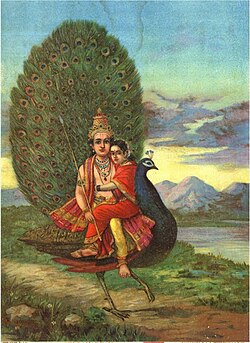
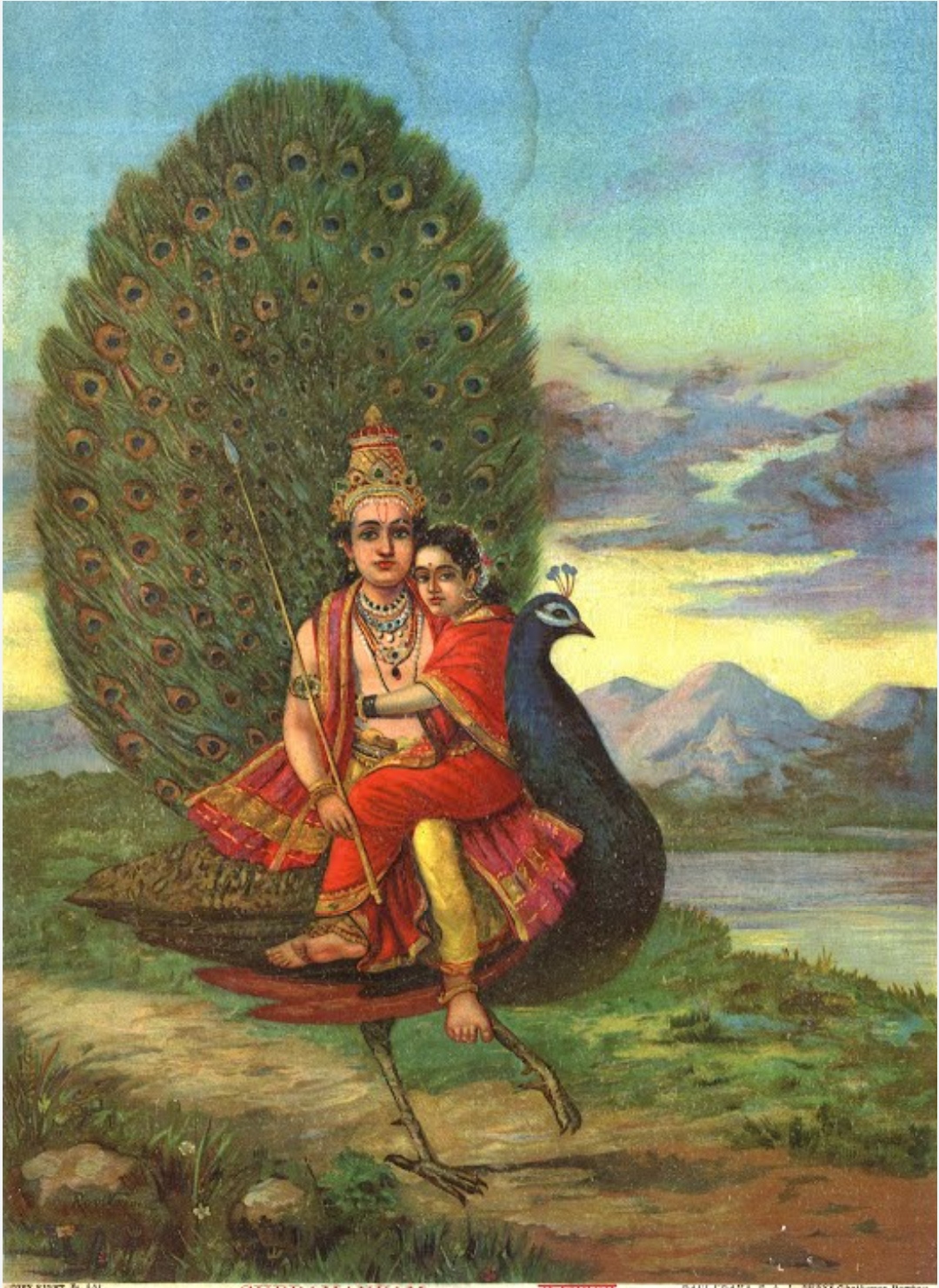
Devasena is described as the daughter of the Prajapati Daksha in the Mahabharata, while some Sanskrit scriptures consider her as the daughter of Indra, the king of the devas (gods), and his wife Shachi. In the Tamil iteration of the Skanda Purana, she is portrayed as the daughter of the god Vishnu, who is later adopted by Indra. She is betrothed to Kartikeya by Indra, when he becomes the commander-in-chief of the devas. In Tamil accounts, Devasena is generally depicted as an antithesis of Valli, her sister-wife; together they complete the deity. Devasena is generally depicted with Murugan, and is often also accompanied by Valli.
In Tamil Nadu, Devasena does not enjoy independent worship, but is venerated as Murugan's consort in most of his temples. She plays a greater role in the Tirupparankunram Murugan Temple, believed to be the site of her marriage. In East India, Devasena is worshipped in the form of Shashthi, where she is usually worshipped independently.
The Sanskrit name of the goddess Devasena means "army of the gods" and thus, her husband is known as Devasenapati ("Lord of Devasena"). The epithet Devasenapati is a pun, which also conveys his role as commander-in-chief of the devas.
She is called Deivanai or Deivayanai (Tamil, literally meaning "celestial elephant"), as she was raised by Indra's divine elephant, Airavata.
In North India, Kartikeya is generally considered as celibate and unmarried. Sanskrit scriptures generally regard only Devasena as the consort of Kartikeya, while in Tamil Nadu, he has two consorts, Devayanai (Devasena) and Valli. Devasena is described as a daughter of the king of the gods, Indra, and his wife Shachi or at least the adopted daughter of Indra.
The third book of Mahabharata narrates the tale of the birth of Kartikeya, which mentions Devasena. Devasena and Daityasena (literally "army of demons") are the daughters of Prajapati Daksha. Once, while the sisters are enjoying leisure at the banks of Lake Manasa, the asura (demon) Keshi abducts them so that he could marry them. While Devasena refuses, Daityasena consents. Meanwhile, the gods are defeated in a battle by the demons. Indra, who is searching for an ideal Devasenapati (commander of the army of the gods), reaches the place where Devasena is held captive. On her request, Indra defeats the demon and rescues her. Devasena asks Indra to find her a husband (pati) who can protect her and defeat the gods, the demons and the yakshas. Indra discusses the matter with the god Brahma and they agree that a son born of Agni would be suitable for being the Devasenapati, the husband of Devasena and the commander-in-chief of the gods. Accordingly, Agni is forced to have a son, who becomes Kartikeya. After many exploits which prove his supremacy over the gods, Kartikeya is made the general of the army of the gods and is married to Devasena by Indra. At this point in the text, Agni is identified with Shiva, who is proclaimed as the father of Kartikeya. Ultimately, with the aid of Devasena and Kartikeya, the gods defeat the demons. In this narrative, Devasena is identified with many other goddesses like Shashthi, Shri-Lakshmi, Kuhu-Sinivali, and others.
The Tamil manuscripts of the Sanskrit scripture Skanda Purana mentions Devasena and Valli as the incarnations of the daughters of Vishnu, Amritavalli and Sundaravalli, respectively. Thus, Murugan is regarded as the son-in-law of Vishnu, as their husband. An interpolation in the Tamil recensions of the scripture as well as the Kanda Purana (the Tamil version of the Sanskrit Skanda Purana) narrate the story of the marriage of the two maidens to Murugan. The two maidens are fated to be married to the god. The elder sister Devasena is born as Amritavalli. She follows the path of traditional Hindu rituals and practices to gain her husband. Appeased by her penance, Indra adopts her as his daughter, and marries her to Murugan in an arranged marriage, following custom, after the latter triumphs over the asuras (demons). The Kanda Purana describes Devayanai (Devasena) as the daughter of Indra, without any mention of adoption. The couple is described as taking their abode in the hills of Thiruttani, where one of Murugan's chief temples, Thiruthani Murugan Temple, stands. Another version describes the couple as residing in Svarga, the abode of the gods. Meanwhile, Valli is born as Sundaravalli. She is adopted by a tribal chieftain, and grows up as a huntress. Murugan wins Valli's hand and takes her to Thiruttani. The god is worshipped at the Thiruthani temple, flanked by Devasena on his left and Valli on his right. In the end, the trio settles in the abode of the gods and lives in harmony thereafter. An alternate ending found in Sri Lankan lore describes Murugan as staying on in the forest with Valli after their wedding at Kataragama, where his temple stands. Devayanai tries in vain to compel the god to return to the abode of the gods, but finally joins Kartikeya and Valli to reside in Kataragama.
Devasena
Devasena (Sanskrit: देवसेना, lit. 'Army of the devas', IAST: Devasenā, Tamil: தேவசேனா, romanized: Tēvacēṉā) is the Hindu goddess of aspirations, and the consort of the war god Kartikeya (Murugan). She is also known as Devayanai, Deivanai, and Deivayanai in Tamil texts. Her name is also spelled as Teyvanai or Tevayanai (Teyvāṉai).
Devasena is described as the daughter of the Prajapati Daksha in the Mahabharata, while some Sanskrit scriptures consider her as the daughter of Indra, the king of the devas (gods), and his wife Shachi. In the Tamil iteration of the Skanda Purana, she is portrayed as the daughter of the god Vishnu, who is later adopted by Indra. She is betrothed to Kartikeya by Indra, when he becomes the commander-in-chief of the devas. In Tamil accounts, Devasena is generally depicted as an antithesis of Valli, her sister-wife; together they complete the deity. Devasena is generally depicted with Murugan, and is often also accompanied by Valli.
In Tamil Nadu, Devasena does not enjoy independent worship, but is venerated as Murugan's consort in most of his temples. She plays a greater role in the Tirupparankunram Murugan Temple, believed to be the site of her marriage. In East India, Devasena is worshipped in the form of Shashthi, where she is usually worshipped independently.
The Sanskrit name of the goddess Devasena means "army of the gods" and thus, her husband is known as Devasenapati ("Lord of Devasena"). The epithet Devasenapati is a pun, which also conveys his role as commander-in-chief of the devas.
She is called Deivanai or Deivayanai (Tamil, literally meaning "celestial elephant"), as she was raised by Indra's divine elephant, Airavata.
In North India, Kartikeya is generally considered as celibate and unmarried. Sanskrit scriptures generally regard only Devasena as the consort of Kartikeya, while in Tamil Nadu, he has two consorts, Devayanai (Devasena) and Valli. Devasena is described as a daughter of the king of the gods, Indra, and his wife Shachi or at least the adopted daughter of Indra.
The third book of Mahabharata narrates the tale of the birth of Kartikeya, which mentions Devasena. Devasena and Daityasena (literally "army of demons") are the daughters of Prajapati Daksha. Once, while the sisters are enjoying leisure at the banks of Lake Manasa, the asura (demon) Keshi abducts them so that he could marry them. While Devasena refuses, Daityasena consents. Meanwhile, the gods are defeated in a battle by the demons. Indra, who is searching for an ideal Devasenapati (commander of the army of the gods), reaches the place where Devasena is held captive. On her request, Indra defeats the demon and rescues her. Devasena asks Indra to find her a husband (pati) who can protect her and defeat the gods, the demons and the yakshas. Indra discusses the matter with the god Brahma and they agree that a son born of Agni would be suitable for being the Devasenapati, the husband of Devasena and the commander-in-chief of the gods. Accordingly, Agni is forced to have a son, who becomes Kartikeya. After many exploits which prove his supremacy over the gods, Kartikeya is made the general of the army of the gods and is married to Devasena by Indra. At this point in the text, Agni is identified with Shiva, who is proclaimed as the father of Kartikeya. Ultimately, with the aid of Devasena and Kartikeya, the gods defeat the demons. In this narrative, Devasena is identified with many other goddesses like Shashthi, Shri-Lakshmi, Kuhu-Sinivali, and others.
The Tamil manuscripts of the Sanskrit scripture Skanda Purana mentions Devasena and Valli as the incarnations of the daughters of Vishnu, Amritavalli and Sundaravalli, respectively. Thus, Murugan is regarded as the son-in-law of Vishnu, as their husband. An interpolation in the Tamil recensions of the scripture as well as the Kanda Purana (the Tamil version of the Sanskrit Skanda Purana) narrate the story of the marriage of the two maidens to Murugan. The two maidens are fated to be married to the god. The elder sister Devasena is born as Amritavalli. She follows the path of traditional Hindu rituals and practices to gain her husband. Appeased by her penance, Indra adopts her as his daughter, and marries her to Murugan in an arranged marriage, following custom, after the latter triumphs over the asuras (demons). The Kanda Purana describes Devayanai (Devasena) as the daughter of Indra, without any mention of adoption. The couple is described as taking their abode in the hills of Thiruttani, where one of Murugan's chief temples, Thiruthani Murugan Temple, stands. Another version describes the couple as residing in Svarga, the abode of the gods. Meanwhile, Valli is born as Sundaravalli. She is adopted by a tribal chieftain, and grows up as a huntress. Murugan wins Valli's hand and takes her to Thiruttani. The god is worshipped at the Thiruthani temple, flanked by Devasena on his left and Valli on his right. In the end, the trio settles in the abode of the gods and lives in harmony thereafter. An alternate ending found in Sri Lankan lore describes Murugan as staying on in the forest with Valli after their wedding at Kataragama, where his temple stands. Devayanai tries in vain to compel the god to return to the abode of the gods, but finally joins Kartikeya and Valli to reside in Kataragama.
Recent media
Recent media