
Recent from talks
Dental amalgam controversy
Knowledge base stats:
Talk channels stats:
Members stats:
Dental amalgam controversy
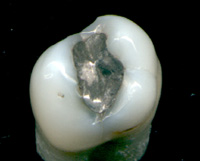
The dental amalgam controversy is the debate over whether dental amalgam (the mercury alloy in dental fillings) should be used. Supporters claim that it is safe, effective and long-lasting, while critics argue that amalgam is unsafe because it may cause mercury poisoning and other toxicity.
Supporters of amalgam fillings point out that dental amalgalm is safe, durable, relatively inexpensive, and easy to use. On average, amalgam lasts twice as long as resin composites, takes less time to place, is tolerant of saliva or blood contamination during placement (unlike composites), and is often about 20–30% less expensive. Consumer Reports has suggested that many who claim dental amalgam is not safe are "prospecting for disease" and using pseudoscience to scare patients into more lucrative treatment options.
Those opposed to amalgam use suggest that modern composites are improving in strength. In addition to their claims of possible health and ethical issues, opponents of dental amalgam fillings claim amalgam fillings contribute to mercury contamination of the environment. The World Health Organization (WHO) reports that health care facilities, including dental offices, account for as much as 5% of total wastewater mercury emissions. The WHO also points out that amalgam separators, installed in the waste water lines of many dental offices, dramatically decrease the release of mercury into the public sewer system. In the United States, most dental practices are prohibited from disposing amalgam waste down the drain. Critics also point to cremation of dental fillings as an additional source of air pollution, contributing about 1% of global emissions.
The World Health Organization recommends a global phase out of dental mercury in their 2009 report on "Future Use of Materials For Dental Restorations, based on aiming for a general reduction of the use of mercury in all sectors, and based on the environmental impacts of mercury product production."
It is the position of the FDI World Dental Federation as well as numerous dental associations and dental public health agencies worldwide that amalgam restorations are safe and effective. Numerous other organizations have also publicly declared the safety and effectiveness of amalgam. These include the Mayo Clinic, Health Canada, Alzheimer's Association, American Academy of Pediatrics, Autism Society of America, U.S. Environmental Protection Agency (EPA), National Multiple Sclerosis Society, New England Journal of Medicine, International Journal of Dentistry, National Council Against Health Fraud, The National Institute of Dental and Craniofacial Research NIDCR, American Cancer Society, Lupus Foundation of America, the American College of Medical Toxicology, the American Academy of Clinical Toxicology, Consumer Reports Prevention, WebMD and the International Association for Dental Research.
The U.S. Food and Drug Administration (FDA) formerly stated that amalgam is "safe for adults and children ages 6 and above" but now recommends against amalgam for children, pregnant/nursing women, and other high-risk groups.
Dental amalgam has had a long history and global impact. It was first introduced in the Chinese materia medica of Su Kung in 659 A.D. during the Tang dynasty. In Europe, Johannes Stockerus, a municipal physician in Ulm, Germany, recommended amalgam as a filling material as early as 1528. In 1818, Parisian physician Louis Nicolas Regnart added one-tenth by weight of mercury to the fusable metals used as fillings at the time to create a temporarily soft metal alloy at room temperature. Thus, amalgam (an alloy of mercury with another metal or metals, from the French word amalgame) was invented. This was further perfected in 1826, when Auguste Taveau of Paris used a silver paste made from mixing French silver-tin coins with mercury, which offered more plasticity and a quicker setting time. In Europe, before 1818, carious teeth were either filled with a melted metal, usually gold or silver (which would often lead to death of the nerve of the tooth from thermal trauma), or the tooth would be extracted.
In 1855, Dr. J. Foster Flagg, a professor of dental pathology in Philadelphia, experimented with new mixtures of amalgam. In 1861, he presented his findings to the Pennsylvania Association of Dental Surgeons and, in 1881, he published his book, Plastic and Plastic Fillings. (Amalgam fillings were often called "plastic fillings" at the time.) The inevitable result of this affair was that silver amalgam was proven to be "an excellent filling material", and expanded dentistry's "ability to save teeth". Around the same time, John and Charles Tomes in England conducted research on the expansion and contraction of the various amalgam products. During the American Civil War, the debate on the merits of amalgam continued. In dental meetings, with now decades of use and dental research came the recognition of the importance of good technique and proper mixture on long-term success. It was argued, "the fault was not in the material but in the manipulation.... Some men's amalgam is good universally, and some men's gold is bad universally; the difference lies in the preparation of the tooth and in the plug (filling)."
Hub AI
Dental amalgam controversy AI simulator
(@Dental amalgam controversy_simulator)
Dental amalgam controversy
The dental amalgam controversy is the debate over whether dental amalgam (the mercury alloy in dental fillings) should be used. Supporters claim that it is safe, effective and long-lasting, while critics argue that amalgam is unsafe because it may cause mercury poisoning and other toxicity.
Supporters of amalgam fillings point out that dental amalgalm is safe, durable, relatively inexpensive, and easy to use. On average, amalgam lasts twice as long as resin composites, takes less time to place, is tolerant of saliva or blood contamination during placement (unlike composites), and is often about 20–30% less expensive. Consumer Reports has suggested that many who claim dental amalgam is not safe are "prospecting for disease" and using pseudoscience to scare patients into more lucrative treatment options.
Those opposed to amalgam use suggest that modern composites are improving in strength. In addition to their claims of possible health and ethical issues, opponents of dental amalgam fillings claim amalgam fillings contribute to mercury contamination of the environment. The World Health Organization (WHO) reports that health care facilities, including dental offices, account for as much as 5% of total wastewater mercury emissions. The WHO also points out that amalgam separators, installed in the waste water lines of many dental offices, dramatically decrease the release of mercury into the public sewer system. In the United States, most dental practices are prohibited from disposing amalgam waste down the drain. Critics also point to cremation of dental fillings as an additional source of air pollution, contributing about 1% of global emissions.
The World Health Organization recommends a global phase out of dental mercury in their 2009 report on "Future Use of Materials For Dental Restorations, based on aiming for a general reduction of the use of mercury in all sectors, and based on the environmental impacts of mercury product production."
It is the position of the FDI World Dental Federation as well as numerous dental associations and dental public health agencies worldwide that amalgam restorations are safe and effective. Numerous other organizations have also publicly declared the safety and effectiveness of amalgam. These include the Mayo Clinic, Health Canada, Alzheimer's Association, American Academy of Pediatrics, Autism Society of America, U.S. Environmental Protection Agency (EPA), National Multiple Sclerosis Society, New England Journal of Medicine, International Journal of Dentistry, National Council Against Health Fraud, The National Institute of Dental and Craniofacial Research NIDCR, American Cancer Society, Lupus Foundation of America, the American College of Medical Toxicology, the American Academy of Clinical Toxicology, Consumer Reports Prevention, WebMD and the International Association for Dental Research.
The U.S. Food and Drug Administration (FDA) formerly stated that amalgam is "safe for adults and children ages 6 and above" but now recommends against amalgam for children, pregnant/nursing women, and other high-risk groups.
Dental amalgam has had a long history and global impact. It was first introduced in the Chinese materia medica of Su Kung in 659 A.D. during the Tang dynasty. In Europe, Johannes Stockerus, a municipal physician in Ulm, Germany, recommended amalgam as a filling material as early as 1528. In 1818, Parisian physician Louis Nicolas Regnart added one-tenth by weight of mercury to the fusable metals used as fillings at the time to create a temporarily soft metal alloy at room temperature. Thus, amalgam (an alloy of mercury with another metal or metals, from the French word amalgame) was invented. This was further perfected in 1826, when Auguste Taveau of Paris used a silver paste made from mixing French silver-tin coins with mercury, which offered more plasticity and a quicker setting time. In Europe, before 1818, carious teeth were either filled with a melted metal, usually gold or silver (which would often lead to death of the nerve of the tooth from thermal trauma), or the tooth would be extracted.
In 1855, Dr. J. Foster Flagg, a professor of dental pathology in Philadelphia, experimented with new mixtures of amalgam. In 1861, he presented his findings to the Pennsylvania Association of Dental Surgeons and, in 1881, he published his book, Plastic and Plastic Fillings. (Amalgam fillings were often called "plastic fillings" at the time.) The inevitable result of this affair was that silver amalgam was proven to be "an excellent filling material", and expanded dentistry's "ability to save teeth". Around the same time, John and Charles Tomes in England conducted research on the expansion and contraction of the various amalgam products. During the American Civil War, the debate on the merits of amalgam continued. In dental meetings, with now decades of use and dental research came the recognition of the importance of good technique and proper mixture on long-term success. It was argued, "the fault was not in the material but in the manipulation.... Some men's amalgam is good universally, and some men's gold is bad universally; the difference lies in the preparation of the tooth and in the plug (filling)."
Recent media