
Recent from talks
Denys Finch Hatton
Knowledge base stats:
Talk channels stats:
Members stats:
Denys Finch Hatton
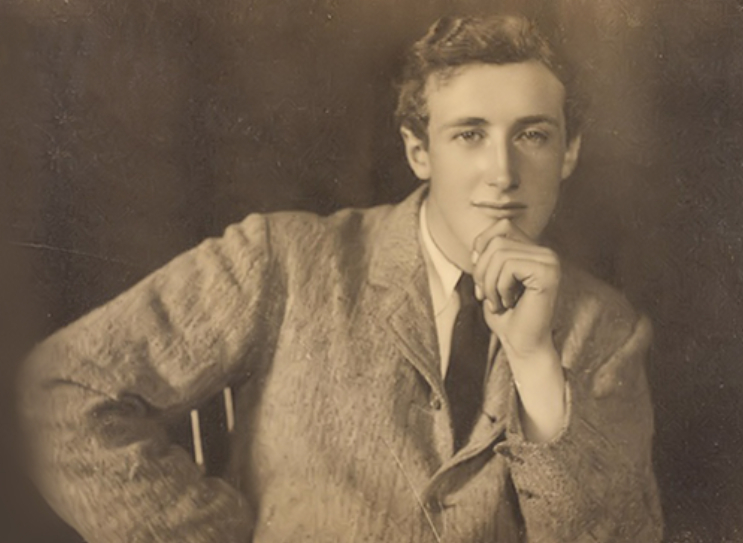
Denys George Finch-Hatton MC (24 April 1887 – 14 May 1931) was a British aristocratic big-game hunter and the lover of Baroness Karen von Blixen (also known by her pen name, Isak Dinesen), a Danish noblewoman who wrote about him in her autobiographical book Out of Africa, first published in 1937. In the book, his name is hyphenated: "Finch-Hatton".
Denys Finch Hatton was born in Prince of Wales Terrace, Kensington, on 24 April 1887, the second son and third child of Henry Stormont Finch-Hatton, 13th Earl of Winchilsea, and his wife, the former Anne Codrington, daughter of Admiral of the Fleet Sir Henry Codrington.
The Finch-Hatton family was old and aristocratic. His grandfather was George Finch-Hatton, 10th Earl of Winchilsea, whose mother was Lady Elizabeth Murray, a daughter of the 2nd Earl of Mansfield and a cousin of Dido Belle. Denys Finch Hatton was also descended from Jane Austen's rich brother Edward Austen Knight, through his grandmother Fanny Margaret Rice, a daughter of Elizabeth Austen Knight and Edward Rice who married the 10th Earl of Winchilsea.
By the 1860s, his half-uncle the 11th Earl of Winchilsea had gambled away the family's several fortunes, and was forced to leave the ancestral seat Eastwell Park, which at the time of Denys Finch Hatton's birth was already rented out to Prince Alfred, second son of Queen Victoria, and his wife Maria Alexandrovna of Russia. This was also the house where Finch Hatton's father was born, but as the Eastwell estate was let go he and his older brother were brought up by their mother quietly at Haverholme Priory, another country house inherited by the 10th Earl in 1831 from his childless aunt and uncle in law. The 10th Earl left Haverholme to his second son Murray (later the 12th Earl).
Finch Hatton's early years were spent in Haverholme with his cousins and uncle, but his family resided in the nearby Dower House. When his father inherited the peerages from his older brother in 1898 and became the 13th Earl, Denys and his siblings were relocated to Haverholme Priory. He was educated at Eton and Brasenose College, Oxford. At Eton, he was successful at athletics, served as secretary of the music society, and earned a degree in Modern History.
Denys enjoyed popularity at Eton. One of his admirers was the flamboyant and fabulously wealthy Philip Sassoon, whose only sister, Sybil, later through marriage became Marchioness of Cholmondeley. Denys had previously protected Sassoon from being bullied for his feminine behavior. In turn, Sassoon visited sick Denys and gifted him ruby shirt studs and diamond cuff links. Peeved by the vulgar opulence, Denys threw them away to the unlit grate, but decided to retrieve them to give them to his sister Gladys.
In 1910, after a trip to South Africa, Finch Hatton travelled to British East Africa and bought some land on the western side of the Great Rift Valley near what is now Eldoret. He turned over the investment to a partner and spent his time hunting. In Kenya, Finch Hatton was a close friend of the Hon. Reginald Berkeley Cole (1882–1925), an Anglo–Irish aristocrat, born into a prominent Ulster family, who had also settled in the colony. Cole was very well connected in Kenya, being the brother-in-law of Hugh Cholmondeley, 3rd Baron Delamere, the effective leader of the White settlers in the country.
In June 1910, Denys's older brother Guy Montagu (then Viscount Maidstone) snatched up and married the wealthiest American heiress of the season, Margaretta Armstrong Drexel, daughter of banking magnate Anthony Joseph Drexel Jr. They were married at 22 Grosvenor Square attended by 1500 guests, Denys attended the wedding but declined to be his best man. A year later in 1911, he went back to England to attend King George V and Queen Mary's coronation with his family.
Hub AI
Denys Finch Hatton AI simulator
(@Denys Finch Hatton_simulator)
Denys Finch Hatton
Denys George Finch-Hatton MC (24 April 1887 – 14 May 1931) was a British aristocratic big-game hunter and the lover of Baroness Karen von Blixen (also known by her pen name, Isak Dinesen), a Danish noblewoman who wrote about him in her autobiographical book Out of Africa, first published in 1937. In the book, his name is hyphenated: "Finch-Hatton".
Denys Finch Hatton was born in Prince of Wales Terrace, Kensington, on 24 April 1887, the second son and third child of Henry Stormont Finch-Hatton, 13th Earl of Winchilsea, and his wife, the former Anne Codrington, daughter of Admiral of the Fleet Sir Henry Codrington.
The Finch-Hatton family was old and aristocratic. His grandfather was George Finch-Hatton, 10th Earl of Winchilsea, whose mother was Lady Elizabeth Murray, a daughter of the 2nd Earl of Mansfield and a cousin of Dido Belle. Denys Finch Hatton was also descended from Jane Austen's rich brother Edward Austen Knight, through his grandmother Fanny Margaret Rice, a daughter of Elizabeth Austen Knight and Edward Rice who married the 10th Earl of Winchilsea.
By the 1860s, his half-uncle the 11th Earl of Winchilsea had gambled away the family's several fortunes, and was forced to leave the ancestral seat Eastwell Park, which at the time of Denys Finch Hatton's birth was already rented out to Prince Alfred, second son of Queen Victoria, and his wife Maria Alexandrovna of Russia. This was also the house where Finch Hatton's father was born, but as the Eastwell estate was let go he and his older brother were brought up by their mother quietly at Haverholme Priory, another country house inherited by the 10th Earl in 1831 from his childless aunt and uncle in law. The 10th Earl left Haverholme to his second son Murray (later the 12th Earl).
Finch Hatton's early years were spent in Haverholme with his cousins and uncle, but his family resided in the nearby Dower House. When his father inherited the peerages from his older brother in 1898 and became the 13th Earl, Denys and his siblings were relocated to Haverholme Priory. He was educated at Eton and Brasenose College, Oxford. At Eton, he was successful at athletics, served as secretary of the music society, and earned a degree in Modern History.
Denys enjoyed popularity at Eton. One of his admirers was the flamboyant and fabulously wealthy Philip Sassoon, whose only sister, Sybil, later through marriage became Marchioness of Cholmondeley. Denys had previously protected Sassoon from being bullied for his feminine behavior. In turn, Sassoon visited sick Denys and gifted him ruby shirt studs and diamond cuff links. Peeved by the vulgar opulence, Denys threw them away to the unlit grate, but decided to retrieve them to give them to his sister Gladys.
In 1910, after a trip to South Africa, Finch Hatton travelled to British East Africa and bought some land on the western side of the Great Rift Valley near what is now Eldoret. He turned over the investment to a partner and spent his time hunting. In Kenya, Finch Hatton was a close friend of the Hon. Reginald Berkeley Cole (1882–1925), an Anglo–Irish aristocrat, born into a prominent Ulster family, who had also settled in the colony. Cole was very well connected in Kenya, being the brother-in-law of Hugh Cholmondeley, 3rd Baron Delamere, the effective leader of the White settlers in the country.
In June 1910, Denys's older brother Guy Montagu (then Viscount Maidstone) snatched up and married the wealthiest American heiress of the season, Margaretta Armstrong Drexel, daughter of banking magnate Anthony Joseph Drexel Jr. They were married at 22 Grosvenor Square attended by 1500 guests, Denys attended the wedding but declined to be his best man. A year later in 1911, he went back to England to attend King George V and Queen Mary's coronation with his family.
Recent media