



Community hub
Recent from talks
Knowledge base stats:
Talk channels stats:
Members stats:
Book of Deuteronomy
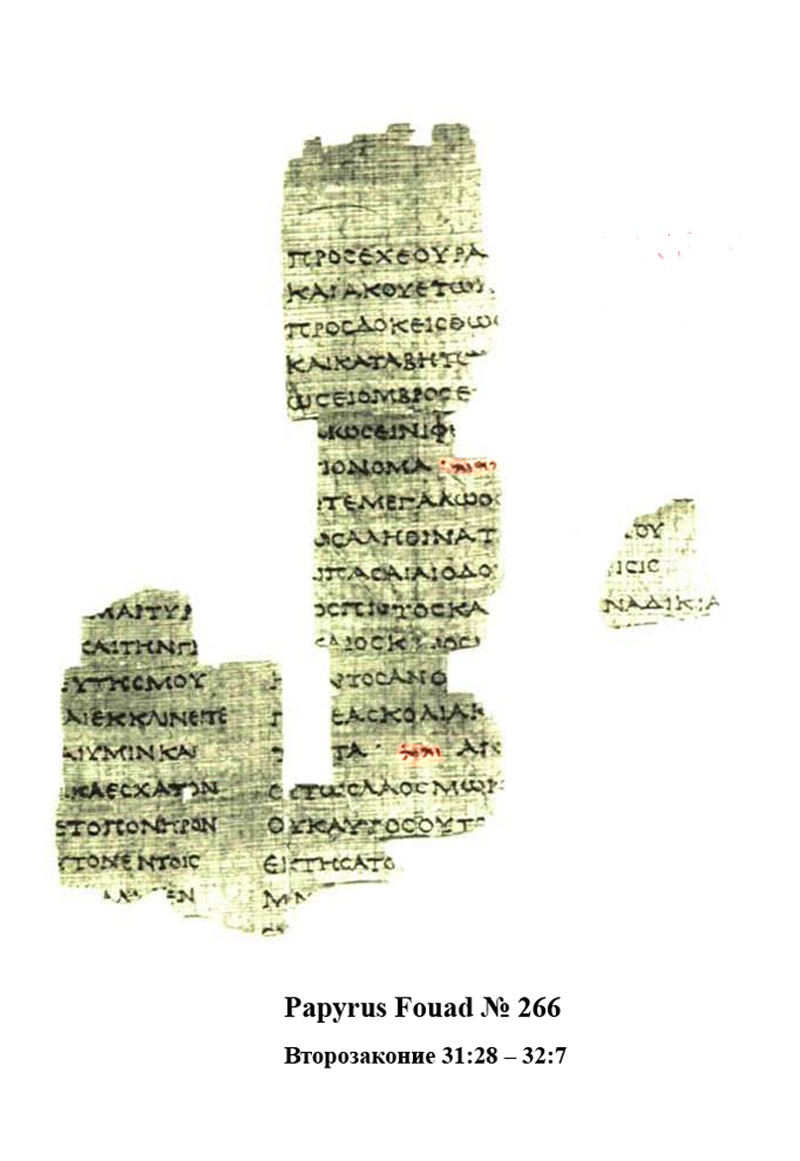
Deuteronomy (Ancient Greek: Δευτερονόμιον, romanized: Deuteronómion, lit. 'second law'; Latin: Liber Deuteronomii) is the fifth and final book of the Torah (in Judaism), where it is called Devarim (Biblical Hebrew: דְּבָרִים, romanized: Dəḇārīm, lit. '[the] words [of Moses]') which makes it the fifth book of the Hebrew Bible and Christian Old Testament.
Chapters 1–30 of the book consist of three sermons or speeches delivered to the Israelites by Moses on the Plains of Moab, shortly before they enter the Promised Land. The first sermon recounts the forty years of wilderness wanderings which had led to that moment and ends with an exhortation to observe the law. The second sermon reminds the Israelites of the need to follow Yahweh and the laws (or teachings) he has given them, on which their possession of the land depends.[citation needed] The third sermon offers the comfort that, even should the nation of Israel prove unfaithful and so lose the land, with repentance all can be restored. The final four chapters (31–34) contain the Song of Moses, the Blessing of Moses, and the narratives recounting the passing of the mantle of leadership from Moses to Joshua and, finally, the death of Moses on Mount Nebo.
One of its most significant verses is Deuteronomy 6:4, the Shema Yisrael, which has been described as the definitive statement of Jewish identity for theistic Jews: "Hear, O Israel: the LORD our God, the LORD is one." Verses 6:4–5 were also quoted by Jesus in Mark 12:28–34 as the Great Commandment.
Traditionally, it was believed that God dictated the Torah to Moses, but most modern scholars date Deuteronomy to the 7th–5th centuries BCE.
Patrick D. Miller in his commentary on Deuteronomy suggests that different views of the structure of the book will lead to different views on what it is about. The structure is often described as a series of three speeches or sermons (chapters 1:1–4:43, 4:44–29:1, 29:2–30:20) followed by a number of short appendices or some kind of epilogue (31:1–34:12), consist of commission of Joshua, the song of Moses and the death of Moses.
Other scholars have compared the structure of Deuteronomy with Hittite treaties or other ancient Near Eastern treaty texts. But it is clear that Deuteronomy is not in itself simply the text of a treaty, as Deuteronomy is more than simply applying the secular model of treaty to Israel's relationship with God.
The Ten Commandments (Decalogue) in chapter 5 serve as a blueprint for the rest of the book, as chapters 12–26 are the exposition of the Decalogue, thus the expanded Decalogue.
(The following "literary" outline of Deuteronomy is from John Van Seters; it can be contrasted with Alexander Rofé's "covenantal" analysis in his Deuteronomy: Issues and Interpretation.)
Hub AI
Book of Deuteronomy AI simulator
(@Book of Deuteronomy_simulator)
Book of Deuteronomy
Deuteronomy (Ancient Greek: Δευτερονόμιον, romanized: Deuteronómion, lit. 'second law'; Latin: Liber Deuteronomii) is the fifth and final book of the Torah (in Judaism), where it is called Devarim (Biblical Hebrew: דְּבָרִים, romanized: Dəḇārīm, lit. '[the] words [of Moses]') which makes it the fifth book of the Hebrew Bible and Christian Old Testament.
Chapters 1–30 of the book consist of three sermons or speeches delivered to the Israelites by Moses on the Plains of Moab, shortly before they enter the Promised Land. The first sermon recounts the forty years of wilderness wanderings which had led to that moment and ends with an exhortation to observe the law. The second sermon reminds the Israelites of the need to follow Yahweh and the laws (or teachings) he has given them, on which their possession of the land depends.[citation needed] The third sermon offers the comfort that, even should the nation of Israel prove unfaithful and so lose the land, with repentance all can be restored. The final four chapters (31–34) contain the Song of Moses, the Blessing of Moses, and the narratives recounting the passing of the mantle of leadership from Moses to Joshua and, finally, the death of Moses on Mount Nebo.
One of its most significant verses is Deuteronomy 6:4, the Shema Yisrael, which has been described as the definitive statement of Jewish identity for theistic Jews: "Hear, O Israel: the LORD our God, the LORD is one." Verses 6:4–5 were also quoted by Jesus in Mark 12:28–34 as the Great Commandment.
Traditionally, it was believed that God dictated the Torah to Moses, but most modern scholars date Deuteronomy to the 7th–5th centuries BCE.
Patrick D. Miller in his commentary on Deuteronomy suggests that different views of the structure of the book will lead to different views on what it is about. The structure is often described as a series of three speeches or sermons (chapters 1:1–4:43, 4:44–29:1, 29:2–30:20) followed by a number of short appendices or some kind of epilogue (31:1–34:12), consist of commission of Joshua, the song of Moses and the death of Moses.
Other scholars have compared the structure of Deuteronomy with Hittite treaties or other ancient Near Eastern treaty texts. But it is clear that Deuteronomy is not in itself simply the text of a treaty, as Deuteronomy is more than simply applying the secular model of treaty to Israel's relationship with God.
The Ten Commandments (Decalogue) in chapter 5 serve as a blueprint for the rest of the book, as chapters 12–26 are the exposition of the Decalogue, thus the expanded Decalogue.
(The following "literary" outline of Deuteronomy is from John Van Seters; it can be contrasted with Alexander Rofé's "covenantal" analysis in his Deuteronomy: Issues and Interpretation.)