
Recent from talks
Deva (composer)
Knowledge base stats:
Talk channels stats:
Members stats:
Deva (composer)
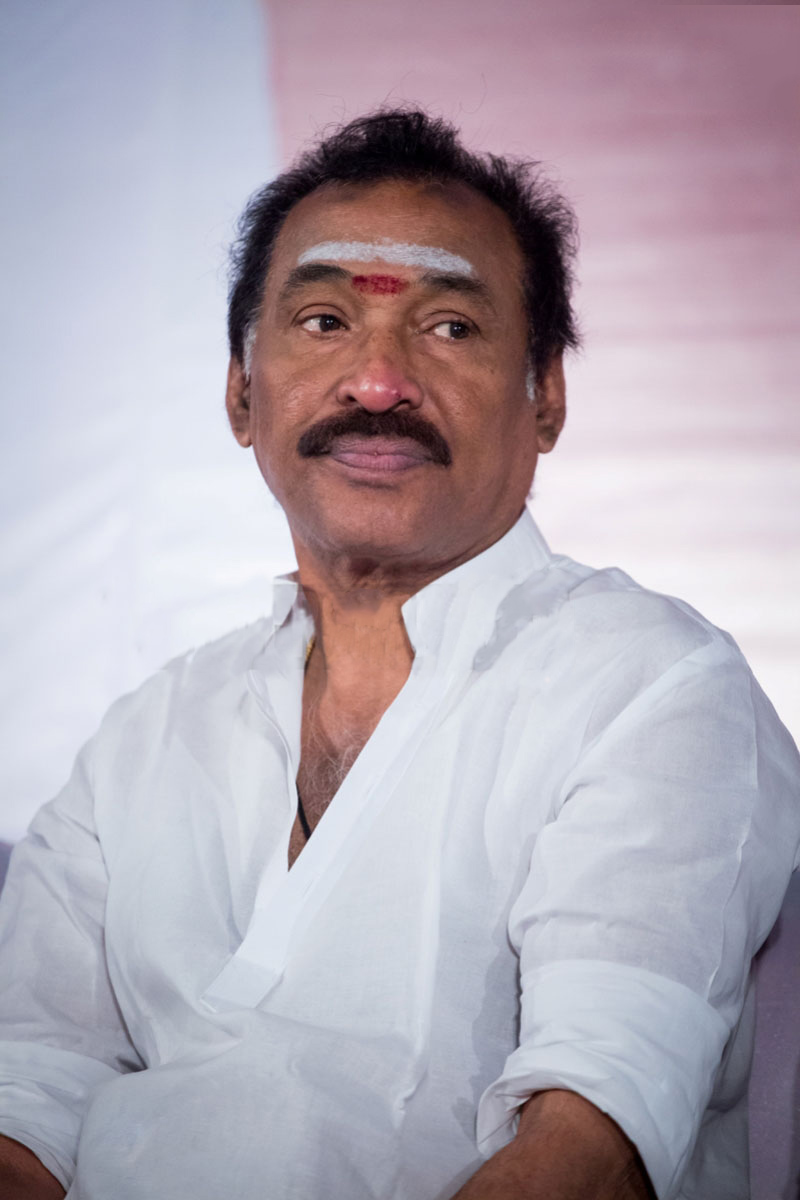
Devanesan Chokkalingam, more popularly known as Deva, is an Indian composer and singer who predominantly works in Tamil cinema. He has composed songs and provided background music for Tamil, Kannada, Telugu, and Malayalam films in a career closing in on four decades. He has composed music for more than 400 films.
Born in 1950 in Mylapore, Chennai, Deva grew up in a financially constrained household and did not receive formal musical training in his early years. He developed an interest in music through exposure to public performances and later taught himself the harmonium while working in the Tamil theatre circuit. He was associated with stage musicians such as Kamesh and Rajamani, initially working in a non-musical capacity before becoming a performer. In 1973, he co-founded a musical troupe with composer Chandrabose.
After an early, partial involvement in film projects, Deva briefly stepped away from cinema. During this period, Deva worked in Doordarshan Podhigai channel and composed songs for the show Vayalum Vaazhvum. He learned piano under Dhanraj Master—who also taught Illayaraja—and studied Indian classical music on the harmonium under J. B. Krishna. By the 1980s, he began composing devotional albums and produced several hundred such works. Deva's brothers Sabesh and Murali meanwhile worked in the musical troupes of Illayaraja and other music directors as instrumentalists. They played a significant role in introducing him to the film industry. Deva often credited his brothers for his career, stating that his recognition as a composer was closely tied to their support and collaboration.
A turning point in his career came in 1985, when veteran composer M. S. Viswanathan publicly praised his work at a felicitation event held at the Tiruverkadu Temple, where Deva was being honoured for composing a large number of devotional albums. During his speech, Viswanathan urged the industry to offer Deva opportunities in cinema, stating that he had the potential to make a significant impact, and also conferred on him the title “Thenisai Thendral” (“breeze of sweet music”). Within months of this event, Deva received his first major film opportunity. He later recalled seeking Viswanathan's guidance at the start of his film career. Deva maintained a close professional and personal association with Viswanathan, who is noted to have followed his work and offered feedback on his compositions. As a mark of respect and gratitude, Deva invited Viswanathan to contribute as a singer in one of his early films, Vaidehi Vanthachu (1991). He has also cited Viswanathan's encouragement and approachability as influential during his early years in the film industry.
Deva made his debut as a full-fledged composer in Tamil cinema with Mattukkara Mannaru (1986). His first major star film, Manasukketha Maharasa, was released in 1989. He was then called to work on the movie Vaigasi Poranthachu. After the release of Vaikaasi Poranthaachu, his name became known throughout the Tamil community and led to further opportunities with leading actors. In 1992, Deva composed music for Annaamalai, starring Rajinikanth and produced by K. Balachander. The film emerged as the highest-grossing Tamil film of the year, despite the simultaneous emergence of A. R. Rahman through Roja. The music of Annaamalai, including its songs and background score, was noted for its alignment with the lead actor's screen image, and its theme music gained lasting popularity, influencing later works. Deva continued his collaboration with Rajinikanth in films such as Baashha (1995) and Arunachalam (1997), where he composed introductory songs and background scores designed to enhance the actor's mass appeal. These compositions were characterised by high-energy rhythms and strong melodic hooks intended to create an immediate audience response.
Throughout the 1990s, Deva was among the most prolific composers in Tamil cinema. In 1996 alone, Deva composed tunes for 36 movies. His scores played a big role in the emergence of actors Ajith Kumar and Vijay, with hits such as Aasai (1995), Kadhal Kottai (1996), Nerrukku Ner (1997), Ninaithen Vandhai (1998), Priyamudan (1998), Vaalee (1999), Kushi (2000) helping them establish themselves as the next-generation superstars. This period is often noted for the parallel prominence of both Deva and A. R. Rahman in Tamil film music.
Deva is widely associated with the popularisation of the Gaana genre in Tamil cinema. Drawing from musical forms prevalent in North Chennai, he incorporated gaana elements into film songs and contributed to their wider acceptance in mainstream cinema. His efforts over several years are noted for helping bring a previously localised musical style into broader commercial circulation.
He is also noted for his collaborative approach within the industry. Deva frequently worked with mentors, contemporaries, and other composers, and invited several of them to contribute as singers in his compositions. Conversely, he himself rendered vocals in numerous songs for other music directors. He is regarded as one of the most prolific music directors in Tamil cinema to have also sung extensively across his own and others’ compositions.
Hub AI
Deva (composer) AI simulator
(@Deva (composer)_simulator)
Deva (composer)
Devanesan Chokkalingam, more popularly known as Deva, is an Indian composer and singer who predominantly works in Tamil cinema. He has composed songs and provided background music for Tamil, Kannada, Telugu, and Malayalam films in a career closing in on four decades. He has composed music for more than 400 films.
Born in 1950 in Mylapore, Chennai, Deva grew up in a financially constrained household and did not receive formal musical training in his early years. He developed an interest in music through exposure to public performances and later taught himself the harmonium while working in the Tamil theatre circuit. He was associated with stage musicians such as Kamesh and Rajamani, initially working in a non-musical capacity before becoming a performer. In 1973, he co-founded a musical troupe with composer Chandrabose.
After an early, partial involvement in film projects, Deva briefly stepped away from cinema. During this period, Deva worked in Doordarshan Podhigai channel and composed songs for the show Vayalum Vaazhvum. He learned piano under Dhanraj Master—who also taught Illayaraja—and studied Indian classical music on the harmonium under J. B. Krishna. By the 1980s, he began composing devotional albums and produced several hundred such works. Deva's brothers Sabesh and Murali meanwhile worked in the musical troupes of Illayaraja and other music directors as instrumentalists. They played a significant role in introducing him to the film industry. Deva often credited his brothers for his career, stating that his recognition as a composer was closely tied to their support and collaboration.
A turning point in his career came in 1985, when veteran composer M. S. Viswanathan publicly praised his work at a felicitation event held at the Tiruverkadu Temple, where Deva was being honoured for composing a large number of devotional albums. During his speech, Viswanathan urged the industry to offer Deva opportunities in cinema, stating that he had the potential to make a significant impact, and also conferred on him the title “Thenisai Thendral” (“breeze of sweet music”). Within months of this event, Deva received his first major film opportunity. He later recalled seeking Viswanathan's guidance at the start of his film career. Deva maintained a close professional and personal association with Viswanathan, who is noted to have followed his work and offered feedback on his compositions. As a mark of respect and gratitude, Deva invited Viswanathan to contribute as a singer in one of his early films, Vaidehi Vanthachu (1991). He has also cited Viswanathan's encouragement and approachability as influential during his early years in the film industry.
Deva made his debut as a full-fledged composer in Tamil cinema with Mattukkara Mannaru (1986). His first major star film, Manasukketha Maharasa, was released in 1989. He was then called to work on the movie Vaigasi Poranthachu. After the release of Vaikaasi Poranthaachu, his name became known throughout the Tamil community and led to further opportunities with leading actors. In 1992, Deva composed music for Annaamalai, starring Rajinikanth and produced by K. Balachander. The film emerged as the highest-grossing Tamil film of the year, despite the simultaneous emergence of A. R. Rahman through Roja. The music of Annaamalai, including its songs and background score, was noted for its alignment with the lead actor's screen image, and its theme music gained lasting popularity, influencing later works. Deva continued his collaboration with Rajinikanth in films such as Baashha (1995) and Arunachalam (1997), where he composed introductory songs and background scores designed to enhance the actor's mass appeal. These compositions were characterised by high-energy rhythms and strong melodic hooks intended to create an immediate audience response.
Throughout the 1990s, Deva was among the most prolific composers in Tamil cinema. In 1996 alone, Deva composed tunes for 36 movies. His scores played a big role in the emergence of actors Ajith Kumar and Vijay, with hits such as Aasai (1995), Kadhal Kottai (1996), Nerrukku Ner (1997), Ninaithen Vandhai (1998), Priyamudan (1998), Vaalee (1999), Kushi (2000) helping them establish themselves as the next-generation superstars. This period is often noted for the parallel prominence of both Deva and A. R. Rahman in Tamil film music.
Deva is widely associated with the popularisation of the Gaana genre in Tamil cinema. Drawing from musical forms prevalent in North Chennai, he incorporated gaana elements into film songs and contributed to their wider acceptance in mainstream cinema. His efforts over several years are noted for helping bring a previously localised musical style into broader commercial circulation.
He is also noted for his collaborative approach within the industry. Deva frequently worked with mentors, contemporaries, and other composers, and invited several of them to contribute as singers in his compositions. Conversely, he himself rendered vocals in numerous songs for other music directors. He is regarded as one of the most prolific music directors in Tamil cinema to have also sung extensively across his own and others’ compositions.
Recent media