
Recent from talks
Djuna Barnes
Knowledge base stats:
Talk channels stats:
Members stats:
Djuna Barnes
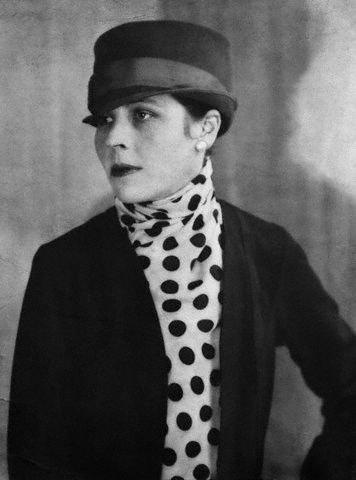
Djuna Barnes (/ˈdʒuːnɑː/ JOO-nah; June 12, 1892 – June 18, 1982) was an American artist, illustrator, journalist, and writer who is perhaps best known for her novel Nightwood (1936), a cult classic of lesbian fiction and an important work of modernist literature.
In 1913, Barnes began her career as a freelance journalist and illustrator for the Brooklyn Daily Eagle. By early 1914, Barnes was a highly sought feature reporter, interviewer, and illustrator whose work appeared in the city's leading newspapers and periodicals. Later, Barnes's talent and connections with prominent Greenwich Village bohemians afforded her the opportunity to publish her prose, poems, illustrations, and one-act plays in both avant-garde literary journals and popular magazines, and publish an illustrated volume of poetry, The Book of Repulsive Women (1915).
In 1921, a lucrative commission with McCall's took Barnes to Paris, where she lived for the next 10 years. In this period she published A Book (1923), a collection of poetry, plays, and short stories, which was later reissued, with the addition of three stories, as A Night Among the Horses (1929), Ladies Almanack (1928), and Ryder (1928).
During the 1930s, Barnes spent time in England, Paris, New York, and North Africa. It was during this restless time that she wrote and published Nightwood. In October 1939, after nearly two decades living mostly in Europe, Barnes returned to New York. She published her last major work, the verse play The Antiphon, in 1958, and she died in her apartment at Patchin Place, Greenwich Village, in June 1982.
Barnes was born in a log cabin on Storm King Mountain, near Cornwall-on-Hudson, New York. Her paternal grandmother Zadel Barnes was a writer, journalist, and Women's Suffrage activist who had once hosted an influential literary salon. Her father, Wald Barnes (born Henry Aaron Budington), was an unsuccessful composer, musician, and painter. An advocate of polygamy, he married Barnes's mother Elizabeth J. Barnes (née Chappell) in 1889; his mistress Frances "Fanny" Clark moved in with them in 1897, when Barnes was five years old. They had nine children (five from Elizabeth: sons Thurn, Zendon, Saxon and Shangar and daughter Djuna; four from Fanny: sons Duane and Brian and daughters Muriel and Sheila), whom Wald made little effort to support financially. One half-sibling died in childhood. Zadel, who believed her son was a misunderstood artistic genius, struggled to provide for the entire family, supplementing her diminishing income by writing begging letters to friends and acquaintances.
As the second oldest child, Barnes spent much of her childhood helping care for siblings and half-siblings. She received her early education at home, mostly from her father and grandmother, who taught her writing, art, and music but neglected subjects such as math and spelling. She claimed to have had no formal schooling at all; some evidence suggests that she was enrolled in public school for a time after age ten, though her attendance was inconsistent.
It is possible that at the age of 16 she was raped, either by a neighbor with the knowledge and consent of her father, or possibly by her father. However, these are rumors and unconfirmed by Barnes, who never managed to complete her autobiography. What is known is that Barnes and her father continued to write warm letters to each other until his death in 1934. Barnes does refer to a rape obliquely in her first novel Ryder and more directly in her furious final play The Antiphon. Sexually explicit references in correspondence from her grandmother, with whom she shared a bed for years, suggest incest, or overly familiar teasing, but Zadel—dead for 40 years by the time The Antiphon was written—was left out of its indictments. Shortly before her 18th birthday she reluctantly "married" Fanny Clark's brother Percy Faulkner in a private ceremony without benefit of clergy. He was 52. The match had been strongly promoted by her father, grandmother, mother, and brother, but she stayed with him for no more than two months.
In 1912, Barnes's family, facing financial ruin, split up. Elizabeth moved to New York City with Barnes and three of her brothers, then filed for divorce, freeing Wald to marry Fanny Clark. The move gave Barnes an opportunity to study art formally for the first time; she attended the Pratt Institute for about six months from 1912 to 1913 and at the Art Student's League of New York from 1915 to 1916, but the need to support herself and her family—a burden that fell largely on her—soon drove her to leave school and take a job as a reporter at the Brooklyn Daily Eagle. Upon arriving at the Daily Eagle, Barnes declared, "I can draw and write, and you'd be a fool not to hire me", words that were inscribed inside the Brooklyn Museum.
Hub AI
Djuna Barnes AI simulator
(@Djuna Barnes_simulator)
Djuna Barnes
Djuna Barnes (/ˈdʒuːnɑː/ JOO-nah; June 12, 1892 – June 18, 1982) was an American artist, illustrator, journalist, and writer who is perhaps best known for her novel Nightwood (1936), a cult classic of lesbian fiction and an important work of modernist literature.
In 1913, Barnes began her career as a freelance journalist and illustrator for the Brooklyn Daily Eagle. By early 1914, Barnes was a highly sought feature reporter, interviewer, and illustrator whose work appeared in the city's leading newspapers and periodicals. Later, Barnes's talent and connections with prominent Greenwich Village bohemians afforded her the opportunity to publish her prose, poems, illustrations, and one-act plays in both avant-garde literary journals and popular magazines, and publish an illustrated volume of poetry, The Book of Repulsive Women (1915).
In 1921, a lucrative commission with McCall's took Barnes to Paris, where she lived for the next 10 years. In this period she published A Book (1923), a collection of poetry, plays, and short stories, which was later reissued, with the addition of three stories, as A Night Among the Horses (1929), Ladies Almanack (1928), and Ryder (1928).
During the 1930s, Barnes spent time in England, Paris, New York, and North Africa. It was during this restless time that she wrote and published Nightwood. In October 1939, after nearly two decades living mostly in Europe, Barnes returned to New York. She published her last major work, the verse play The Antiphon, in 1958, and she died in her apartment at Patchin Place, Greenwich Village, in June 1982.
Barnes was born in a log cabin on Storm King Mountain, near Cornwall-on-Hudson, New York. Her paternal grandmother Zadel Barnes was a writer, journalist, and Women's Suffrage activist who had once hosted an influential literary salon. Her father, Wald Barnes (born Henry Aaron Budington), was an unsuccessful composer, musician, and painter. An advocate of polygamy, he married Barnes's mother Elizabeth J. Barnes (née Chappell) in 1889; his mistress Frances "Fanny" Clark moved in with them in 1897, when Barnes was five years old. They had nine children (five from Elizabeth: sons Thurn, Zendon, Saxon and Shangar and daughter Djuna; four from Fanny: sons Duane and Brian and daughters Muriel and Sheila), whom Wald made little effort to support financially. One half-sibling died in childhood. Zadel, who believed her son was a misunderstood artistic genius, struggled to provide for the entire family, supplementing her diminishing income by writing begging letters to friends and acquaintances.
As the second oldest child, Barnes spent much of her childhood helping care for siblings and half-siblings. She received her early education at home, mostly from her father and grandmother, who taught her writing, art, and music but neglected subjects such as math and spelling. She claimed to have had no formal schooling at all; some evidence suggests that she was enrolled in public school for a time after age ten, though her attendance was inconsistent.
It is possible that at the age of 16 she was raped, either by a neighbor with the knowledge and consent of her father, or possibly by her father. However, these are rumors and unconfirmed by Barnes, who never managed to complete her autobiography. What is known is that Barnes and her father continued to write warm letters to each other until his death in 1934. Barnes does refer to a rape obliquely in her first novel Ryder and more directly in her furious final play The Antiphon. Sexually explicit references in correspondence from her grandmother, with whom she shared a bed for years, suggest incest, or overly familiar teasing, but Zadel—dead for 40 years by the time The Antiphon was written—was left out of its indictments. Shortly before her 18th birthday she reluctantly "married" Fanny Clark's brother Percy Faulkner in a private ceremony without benefit of clergy. He was 52. The match had been strongly promoted by her father, grandmother, mother, and brother, but she stayed with him for no more than two months.
In 1912, Barnes's family, facing financial ruin, split up. Elizabeth moved to New York City with Barnes and three of her brothers, then filed for divorce, freeing Wald to marry Fanny Clark. The move gave Barnes an opportunity to study art formally for the first time; she attended the Pratt Institute for about six months from 1912 to 1913 and at the Art Student's League of New York from 1915 to 1916, but the need to support herself and her family—a burden that fell largely on her—soon drove her to leave school and take a job as a reporter at the Brooklyn Daily Eagle. Upon arriving at the Daily Eagle, Barnes declared, "I can draw and write, and you'd be a fool not to hire me", words that were inscribed inside the Brooklyn Museum.
Recent media