



Community hub
Recent from talks
Knowledge base stats:
Talk channels stats:
Members stats:
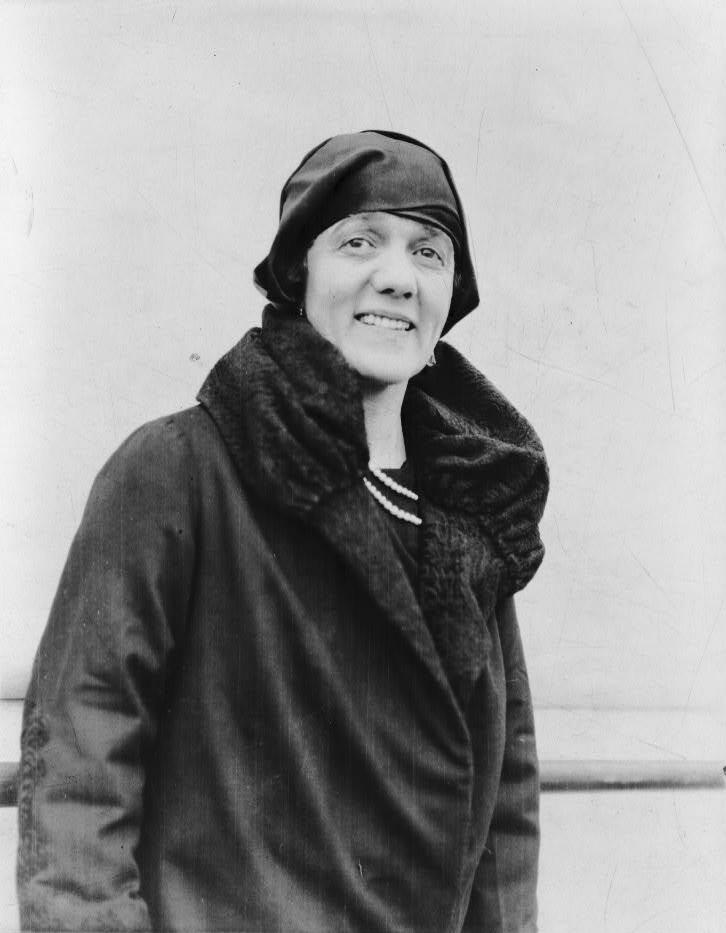
Dorothy Harrison Eustis
Dorothy Leib Harrison Wood Eustis (May 30, 1886 – September 8, 1946) was an American dog breeder and philanthropist, who founded The Seeing Eye, the first dog guide school for the blind in the United States. She was inducted into the National Women's Hall of Fame in 2011.
In 1927, Eustis was 41 years old and living in Switzerland where she bred German Shepherds as police dogs when she wrote an article for The Saturday Evening Post, a popular weekly magazine. The piece described a German dog guide training school for blind veterans of the First World War and sparked a flood of mail, including a letter from a 20-year-old blind man named Morris Frank who promised to help set up a similar school in the United States if Eustis would train him to use a dog guide. Eustis invited Frank to Switzerland, where he spent five weeks learning to work with Buddy, the first of his six dog guides (all named Buddy). A year later, in December 1928, Eustis and Frank launched The Seeing Eye in Frank’s hometown of Nashville, Tennessee.
Eustis’ legacy has been long-lasting. Her work helped spawn dog guide schools in the United States and around the world, and also paved the way for using service animals to help people with various disabilities. Because The Seeing Eye refused to see its students as charity cases, Eustis is also credited with helping to change public attitudes toward the disabled and contributing to the disability rights movement that began in the 1970s.
The sixth and youngest child of businessman and philanthropist Charles Custis Harrison and his wife Ellen Nixon Waln Harrison, Eustis grew up in a prominent Philadelphia family whose social circle included some of the most influential people of their day. Her father, Charles C. Harrison, was the grandson of John Harrison, who established the first chemical factory in the United States. Charles owned a highly profitable sugar refinery, which he and his partners sold for a reported price of $10 million. He then became the provost at his alma mater, the University of Pennsylvania, and raised an estimated $11 million for the university over 16 years.
Eustis’s mother was the great-granddaughter of Robert Morris, who helped fund the American Revolution and the great-great-granddaughter of John Nixon, who was chosen to do the public reading of The Declaration of Independence in Philadelphia four days after it was signed. Ellen Harrison was also active at the University of Pennsylvania, raising money for the university hospital and overseeing the landscaping of the university grounds.
Eustis attended the Agnes Irwin School, a private girls' school in Philadelphia from the fall of 1901 through the spring 1903, and then attended the Rathgowrie School in England.
Eustis married her first husband, Walter Abbott Wood Jr., the wealthy son of a farm machinery manufacturer, on Oct. 6, 1906 in Old St. David’s Church in St. David’s, Pa. and then moved to her husband’s hometown of Hoosick Falls, New York, a small community just ten miles south of the Vermont border. The couple had two children: Walter Abbott III (1907–1993) and Harrison (1914–1938).
During her years in Hoosick Falls, Eustis and her husband, a local politician, developed an experimental breeding program for cattle on their farm. In 1914, during a trip to Europe with her husband, Eustis acquired her first German Shepherd, a dog named Hans. The dog later proved to be part of the inspiration for The Seeing Eye. As Willi Ebeling, who worked closely with Eustis to get The Seeing Eye off the ground and served as the organization’s executive vice president for many years, explained: "The first half of his [Han's] life was spent bringing his owners to the realization of what a wonderful dog the old-fashioned German Shepherd really was. The last half of his life was spent watching his owners attempt to regain the old over the present day breed; (sic) to find and retain the working temperament and the usefulness that was present in the breed before the great war (World War I)".
Hub AI
Dorothy Harrison Eustis AI simulator
(@Dorothy Harrison Eustis_simulator)
Dorothy Harrison Eustis
Dorothy Leib Harrison Wood Eustis (May 30, 1886 – September 8, 1946) was an American dog breeder and philanthropist, who founded The Seeing Eye, the first dog guide school for the blind in the United States. She was inducted into the National Women's Hall of Fame in 2011.
In 1927, Eustis was 41 years old and living in Switzerland where she bred German Shepherds as police dogs when she wrote an article for The Saturday Evening Post, a popular weekly magazine. The piece described a German dog guide training school for blind veterans of the First World War and sparked a flood of mail, including a letter from a 20-year-old blind man named Morris Frank who promised to help set up a similar school in the United States if Eustis would train him to use a dog guide. Eustis invited Frank to Switzerland, where he spent five weeks learning to work with Buddy, the first of his six dog guides (all named Buddy). A year later, in December 1928, Eustis and Frank launched The Seeing Eye in Frank’s hometown of Nashville, Tennessee.
Eustis’ legacy has been long-lasting. Her work helped spawn dog guide schools in the United States and around the world, and also paved the way for using service animals to help people with various disabilities. Because The Seeing Eye refused to see its students as charity cases, Eustis is also credited with helping to change public attitudes toward the disabled and contributing to the disability rights movement that began in the 1970s.
The sixth and youngest child of businessman and philanthropist Charles Custis Harrison and his wife Ellen Nixon Waln Harrison, Eustis grew up in a prominent Philadelphia family whose social circle included some of the most influential people of their day. Her father, Charles C. Harrison, was the grandson of John Harrison, who established the first chemical factory in the United States. Charles owned a highly profitable sugar refinery, which he and his partners sold for a reported price of $10 million. He then became the provost at his alma mater, the University of Pennsylvania, and raised an estimated $11 million for the university over 16 years.
Eustis’s mother was the great-granddaughter of Robert Morris, who helped fund the American Revolution and the great-great-granddaughter of John Nixon, who was chosen to do the public reading of The Declaration of Independence in Philadelphia four days after it was signed. Ellen Harrison was also active at the University of Pennsylvania, raising money for the university hospital and overseeing the landscaping of the university grounds.
Eustis attended the Agnes Irwin School, a private girls' school in Philadelphia from the fall of 1901 through the spring 1903, and then attended the Rathgowrie School in England.
Eustis married her first husband, Walter Abbott Wood Jr., the wealthy son of a farm machinery manufacturer, on Oct. 6, 1906 in Old St. David’s Church in St. David’s, Pa. and then moved to her husband’s hometown of Hoosick Falls, New York, a small community just ten miles south of the Vermont border. The couple had two children: Walter Abbott III (1907–1993) and Harrison (1914–1938).
During her years in Hoosick Falls, Eustis and her husband, a local politician, developed an experimental breeding program for cattle on their farm. In 1914, during a trip to Europe with her husband, Eustis acquired her first German Shepherd, a dog named Hans. The dog later proved to be part of the inspiration for The Seeing Eye. As Willi Ebeling, who worked closely with Eustis to get The Seeing Eye off the ground and served as the organization’s executive vice president for many years, explained: "The first half of his [Han's] life was spent bringing his owners to the realization of what a wonderful dog the old-fashioned German Shepherd really was. The last half of his life was spent watching his owners attempt to regain the old over the present day breed; (sic) to find and retain the working temperament and the usefulness that was present in the breed before the great war (World War I)".