



Community hub
Recent from talks
Knowledge base stats:
Talk channels stats:
Members stats:
Douglas Navigation
53°35′01″N 2°44′45″W / 53.5837°N 2.7458°W
The Douglas Navigation was a canalised section of the River Douglas or Asland, in Lancashire, England, running from its confluence with the River Ribble to Wigan. It was authorised in 1720, and some work was carried out, but the undertakers lost most of the share money speculating on the South Sea Bubble. Alexander Leigh attempted to revive it eleven years later, and opened it progressively between 1738 and 1742. Leigh began work on a parallel canal called Leigh's Cut to improve the passage from Newburgh to Gathurst, but progress was slow and it was unfinished in 1771.
The working life of the navigation was short, as it was bought out by the Leeds and Liverpool Canal Company in 1772, to prevent a rival scheme to build a canal from Liverpool to Wigan. The canal company could not really afford the purchase price, but needed to secure the water supply to prevent the rival scheme from using it. The Leeds and Liverpool completed Leigh's Cut, built locks to enable sailing boats on the river to avoid having to pass under the aqueduct which carried the canal over the river at Newburgh, and improved the upper river into Wigan in time for a formal opening in October 1774. The final 3 miles (4.8 km) of river section into Wigan was replaced by a parallel canal, completed in 1780, and the lower river was superseded by the Rufford Branch, opened in 1781.
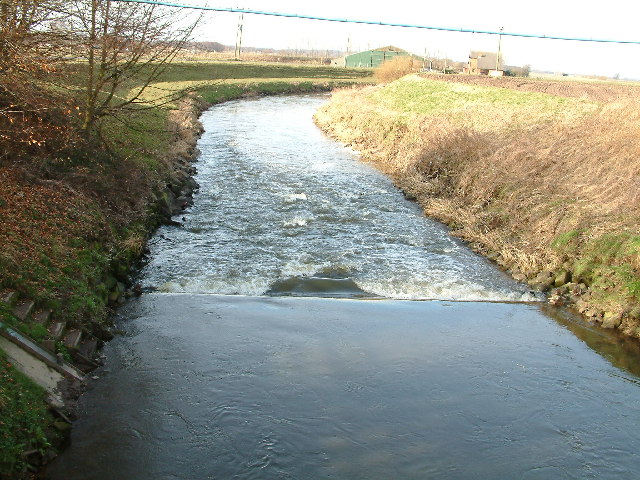
The navigation was not a financial success, but most of the investors had interests in coal mines, and improvements to the river enabled them to get their coal to wider markets. Leigh in particular continued to invest in the navigation until its takeover, presumably using profits from his coal interests. The navigation was abandoned by 1801, but because the canal company had not been able to buy all the original shares, the new cuts were known as the Upper and Lower Douglas Navigations, and were accounted for separately, until the final two shares were purchased in 1893. Thus on paper the Douglas Navigation lasted for 173 years, and a small part of it remains, as to build the Rufford Branch, the river was diverted into a new channel, and the old channel reused by the canal. Sollom Lock can still be seen on this section, although it no longer has any gates. Some 4 miles (6.4 km) of the tidal river are in use below Tarleton Lock, and this section has been increasingly used since 2002, when the Ribble Link opened, connecting the Lancaster Canal to the River Ribble.
Cannel coal, which burns with a bright yellow flame, producing little ash, was being mined in the Wigan coalfield, and there was an increasing market for coal around the edges of the Irish Sea, but the industry was hampered by the lack of an efficient way to transport the coal to the coast. The roads were primitive, but the River Douglas ran from Wigan to the River Ribble below Tarleton, and in the early 18th century, there was growing interest in making it into a navigation.
In 1712, Thomas Steers, a civil engineer and surveyor who had arrived in Liverpool in 1710 to work on building the docks, surveyed the Douglas and recommended that it be made accessible to ships, enabling the transport of coal from the coalfields around Wigan down to the Ribble, and onwards to Preston. It is not clear who employed him, but it may have been Sir Roger Bradshaigh, who owned land on which coal could be mined around Wigan, and who presented a bill to the House of Commons on 10 April 1713. The bill was supported by petitions from Justices of the Peace and Gentlemen from the County palatine of Lancaster, who saw the potential for improved manufacturing and communications. Steers had proposed seven locks to negotiate the rise of 75 feet (23 m) from the mouth of the river at Hesketh Bank to Wild Mill in Wigan. Although the bill passed through the House of Commons successfully, some local landowners objected, and the bill was defeated in the House of Lords. A series of pamphlets were produced in an attempt to sway local opinion, and with the support of Wigan Corporation, another bill was presented. Again there was opposition, but the bill was passed, and the canalisation of the river from its junction with the River Ribble to Miry Lane End in Wigan was authorised by Parliament on 7 April 1720, with Steers and William Squire, Esq. of Liverpool as the two proprietors. They were given 11 years to complete the work, and could charge tolls on all goods carried, except for manure, which could not be charged. Commissioners were appointed, who could engage new proprietors if Steers and Squire failed to finish the task.
In order to fund the scheme, Steers and Squire, assisted by Squire's brother-in-law Richard Norris, divided the expected profits into four, allocated themselves one portion each, and split the remaining portion in 1,200 parts, which they hoped to sell for £5 each. This would in theory raise £6,000, but it is unclear how many shares were actually sold, though it was at least 942, which would have raised £4,170. Steers began work, replacing the ford at Rufford with a bridge and building the first lock using stone from quarries at Harrock Hill and Bartons Delf, both locations fairly close to Rufford. the channel downstream from there was made straighter and wider for about 1.5 miles (2.4 km) to where work began on the lowest lock at Croston Finney. A boat was constructed, that allowed Steers to trade on the river, and he stated that he had spent £700 on the work carried out, but that Squire had only given him £600.
1720 was the time of the South Sea Bubble, a boom in the stock exchange, and Squire had stayed in London after the Act was obtained to raise the finance, but is believed to have lost most of the money he raised by speculating on the South Sea Bubble. The bubble burst two months after the shares had been issued, and with no finance, work ground to a halt. Steers, Squire and Norris eventually ended up in court, charged with fraud. All denied any wrongdoing, with Steers describing how he had bought land, stone and timber, constructed the lock, and been carrying goods along a 5-mile (8 km) section of the river. The case rumbled on from 1729 to 1734, with Squire disappearing around 1730, but the Court of Chancery failed to reach a conclusion as to whether the men had deliberately set out to defraud shareholders of their money.
Hub AI
Douglas Navigation AI simulator
(@Douglas Navigation_simulator)
Douglas Navigation
53°35′01″N 2°44′45″W / 53.5837°N 2.7458°W
The Douglas Navigation was a canalised section of the River Douglas or Asland, in Lancashire, England, running from its confluence with the River Ribble to Wigan. It was authorised in 1720, and some work was carried out, but the undertakers lost most of the share money speculating on the South Sea Bubble. Alexander Leigh attempted to revive it eleven years later, and opened it progressively between 1738 and 1742. Leigh began work on a parallel canal called Leigh's Cut to improve the passage from Newburgh to Gathurst, but progress was slow and it was unfinished in 1771.
The working life of the navigation was short, as it was bought out by the Leeds and Liverpool Canal Company in 1772, to prevent a rival scheme to build a canal from Liverpool to Wigan. The canal company could not really afford the purchase price, but needed to secure the water supply to prevent the rival scheme from using it. The Leeds and Liverpool completed Leigh's Cut, built locks to enable sailing boats on the river to avoid having to pass under the aqueduct which carried the canal over the river at Newburgh, and improved the upper river into Wigan in time for a formal opening in October 1774. The final 3 miles (4.8 km) of river section into Wigan was replaced by a parallel canal, completed in 1780, and the lower river was superseded by the Rufford Branch, opened in 1781.
The navigation was not a financial success, but most of the investors had interests in coal mines, and improvements to the river enabled them to get their coal to wider markets. Leigh in particular continued to invest in the navigation until its takeover, presumably using profits from his coal interests. The navigation was abandoned by 1801, but because the canal company had not been able to buy all the original shares, the new cuts were known as the Upper and Lower Douglas Navigations, and were accounted for separately, until the final two shares were purchased in 1893. Thus on paper the Douglas Navigation lasted for 173 years, and a small part of it remains, as to build the Rufford Branch, the river was diverted into a new channel, and the old channel reused by the canal. Sollom Lock can still be seen on this section, although it no longer has any gates. Some 4 miles (6.4 km) of the tidal river are in use below Tarleton Lock, and this section has been increasingly used since 2002, when the Ribble Link opened, connecting the Lancaster Canal to the River Ribble.
Cannel coal, which burns with a bright yellow flame, producing little ash, was being mined in the Wigan coalfield, and there was an increasing market for coal around the edges of the Irish Sea, but the industry was hampered by the lack of an efficient way to transport the coal to the coast. The roads were primitive, but the River Douglas ran from Wigan to the River Ribble below Tarleton, and in the early 18th century, there was growing interest in making it into a navigation.
In 1712, Thomas Steers, a civil engineer and surveyor who had arrived in Liverpool in 1710 to work on building the docks, surveyed the Douglas and recommended that it be made accessible to ships, enabling the transport of coal from the coalfields around Wigan down to the Ribble, and onwards to Preston. It is not clear who employed him, but it may have been Sir Roger Bradshaigh, who owned land on which coal could be mined around Wigan, and who presented a bill to the House of Commons on 10 April 1713. The bill was supported by petitions from Justices of the Peace and Gentlemen from the County palatine of Lancaster, who saw the potential for improved manufacturing and communications. Steers had proposed seven locks to negotiate the rise of 75 feet (23 m) from the mouth of the river at Hesketh Bank to Wild Mill in Wigan. Although the bill passed through the House of Commons successfully, some local landowners objected, and the bill was defeated in the House of Lords. A series of pamphlets were produced in an attempt to sway local opinion, and with the support of Wigan Corporation, another bill was presented. Again there was opposition, but the bill was passed, and the canalisation of the river from its junction with the River Ribble to Miry Lane End in Wigan was authorised by Parliament on 7 April 1720, with Steers and William Squire, Esq. of Liverpool as the two proprietors. They were given 11 years to complete the work, and could charge tolls on all goods carried, except for manure, which could not be charged. Commissioners were appointed, who could engage new proprietors if Steers and Squire failed to finish the task.
In order to fund the scheme, Steers and Squire, assisted by Squire's brother-in-law Richard Norris, divided the expected profits into four, allocated themselves one portion each, and split the remaining portion in 1,200 parts, which they hoped to sell for £5 each. This would in theory raise £6,000, but it is unclear how many shares were actually sold, though it was at least 942, which would have raised £4,170. Steers began work, replacing the ford at Rufford with a bridge and building the first lock using stone from quarries at Harrock Hill and Bartons Delf, both locations fairly close to Rufford. the channel downstream from there was made straighter and wider for about 1.5 miles (2.4 km) to where work began on the lowest lock at Croston Finney. A boat was constructed, that allowed Steers to trade on the river, and he stated that he had spent £700 on the work carried out, but that Squire had only given him £600.
1720 was the time of the South Sea Bubble, a boom in the stock exchange, and Squire had stayed in London after the Act was obtained to raise the finance, but is believed to have lost most of the money he raised by speculating on the South Sea Bubble. The bubble burst two months after the shares had been issued, and with no finance, work ground to a halt. Steers, Squire and Norris eventually ended up in court, charged with fraud. All denied any wrongdoing, with Steers describing how he had bought land, stone and timber, constructed the lock, and been carrying goods along a 5-mile (8 km) section of the river. The case rumbled on from 1729 to 1734, with Squire disappearing around 1730, but the Court of Chancery failed to reach a conclusion as to whether the men had deliberately set out to defraud shareholders of their money.