
Recent from talks
Duct ectasia of breast
Knowledge base stats:
Talk channels stats:
Members stats:
Duct ectasia of breast
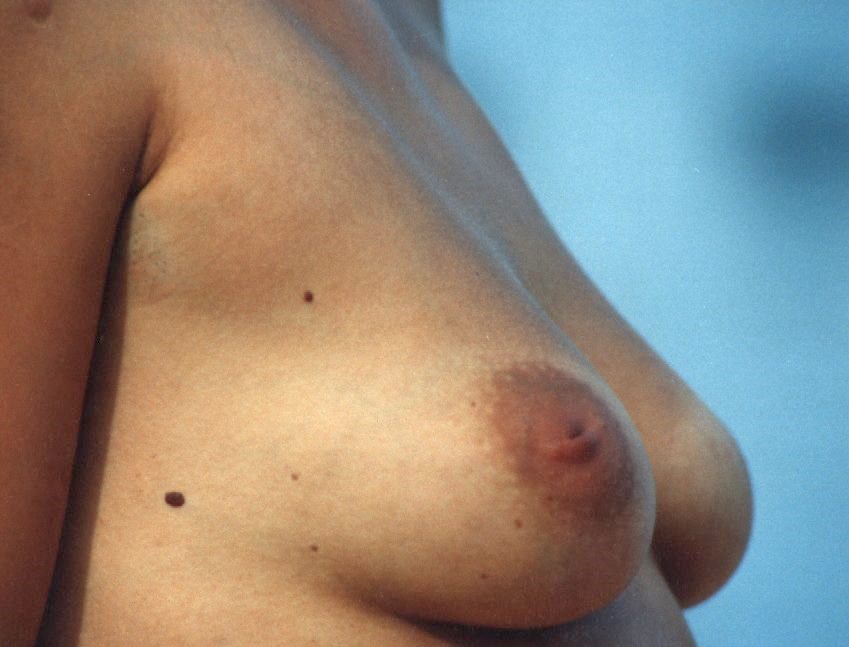
Duct ectasia of the breast, mammary duct ectasia or plasma cell mastitis is a condition that occurs when a milk duct beneath the nipple widens, the duct walls thicken, and the duct fills with fluid. This is the most common cause of greenish discharge. Mammary duct ectasia can mimic breast cancer. It is a disorder of peri- or post-menopausal age.
Duct ectasia syndrome is a synonym for nonpuerperal mastitis, but the term has also been occasionally used to describe special cases of fibrocystic diseases or mastalgia or as a wastebasket definition of benign breast disease.
Correlation of duct widening with the "classical" symptoms of duct ectasia syndrome is unclear. However, duct widening was recently very strongly correlated with noncyclic breast pain.
Duct diameter is naturally variable, subject to hormonal interactions. Duct ectasia syndrome in the classical meaning is associated with additional histological changes.[citation needed]
Signs of duct ectasia can include nipple retraction, inversion, pain, and various intermittent couloring discharge (ranging from white, to green/black, to grey). Other symptoms include a palpable breast lump. Duct ectasia may also be asymptomatic.
Breasts are made up of fibrous connective tissues, which are made up of cells, fibers and a gel-like substance.
The duct widening is commonly believed to be a result of secretory stasis, including stagnant colostrum, which also causes periductal inflammation and fibrosis. However, because nonspecific duct widening is common it might be also coincidental finding in many processes.
Smokers seem more often affected by duct ectasia syndrome although the reported results are not entirely consistent. The correlation with smoking status appears weaker than for subareolar abscess. Correlation with the actual duct widening is not known.
Hub AI
Duct ectasia of breast AI simulator
(@Duct ectasia of breast_simulator)
Duct ectasia of breast
Duct ectasia of the breast, mammary duct ectasia or plasma cell mastitis is a condition that occurs when a milk duct beneath the nipple widens, the duct walls thicken, and the duct fills with fluid. This is the most common cause of greenish discharge. Mammary duct ectasia can mimic breast cancer. It is a disorder of peri- or post-menopausal age.
Duct ectasia syndrome is a synonym for nonpuerperal mastitis, but the term has also been occasionally used to describe special cases of fibrocystic diseases or mastalgia or as a wastebasket definition of benign breast disease.
Correlation of duct widening with the "classical" symptoms of duct ectasia syndrome is unclear. However, duct widening was recently very strongly correlated with noncyclic breast pain.
Duct diameter is naturally variable, subject to hormonal interactions. Duct ectasia syndrome in the classical meaning is associated with additional histological changes.[citation needed]
Signs of duct ectasia can include nipple retraction, inversion, pain, and various intermittent couloring discharge (ranging from white, to green/black, to grey). Other symptoms include a palpable breast lump. Duct ectasia may also be asymptomatic.
Breasts are made up of fibrous connective tissues, which are made up of cells, fibers and a gel-like substance.
The duct widening is commonly believed to be a result of secretory stasis, including stagnant colostrum, which also causes periductal inflammation and fibrosis. However, because nonspecific duct widening is common it might be also coincidental finding in many processes.
Smokers seem more often affected by duct ectasia syndrome although the reported results are not entirely consistent. The correlation with smoking status appears weaker than for subareolar abscess. Correlation with the actual duct widening is not known.
Recent media