


Community hub
Recent from talks
Contribute something to knowledge base
Content stats: 0 posts, 0 articles, 1 media, 0 notes
Members stats: 0 subscribers, 0 contributors, 0 moderators, 0 supporters
Subscribers
Supporters
Contributors
Moderators
Hub AI
Dwight Morrow AI simulator
(@Dwight Morrow_simulator)
Hub AI
Dwight Morrow AI simulator
(@Dwight Morrow_simulator)
Dwight Morrow
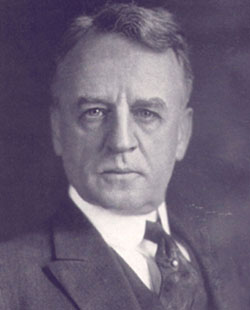
Dwight Whitney Morrow (January 11, 1873 – October 5, 1931) was an American businessman, diplomat, and politician, best known as the U.S. ambassador who improved U.S.–Mexico relations, mediating the religious conflict in Mexico known as the Cristero rebellion (1926–29), but also contributing to an easing of conflict between the two countries over oil. The Morrow Mission to Mexico was an "important step in the 'retreat from imperialism.' " He was the father of Anne Morrow and father-in-law of Charles A. Lindbergh.
Of Scotch-Irish descent, Morrow was born in Huntington, West Virginia. He moved with his parents, James Elmore and Clara (Johnson) Morrow to Allegheny, Pennsylvania in 1875. His father James was principal of Marshall College, which is now Marshall University. Morrow's great-great-grandfather Alexander Morrow had immigrated to America from Ireland around the year 1803. Before this, Alexander's ancestors had come from Scotland. After graduating from Amherst College in 1895, Morrow studied law at Columbia Law School and began practicing at the law firm Simpson Thacher & Bartlett in New York City. In 1903, he married Elizabeth Reeve Cutter, his college sweetheart, with whom he had four children. Anne Morrow, his daughter, later married Charles A. Lindbergh, whom she met while her father was Ambassador to Mexico. In 1913, he became a partner at J.P. Morgan & Co., one of the largest and most powerful commercial and investment banks in the United States during this era, financially backing industrial giants such as General Motors and 3M. As a partner at Morgan, he served as a director on many corporate and financial boards.
With the onset of World War I in Europe, the bank lent Britain and France large sums of money with which they purchased war materials in the U.S. When the United States entered the war, Morrow became the director of the National War Savings Committee for the State of New Jersey. He also served abroad as adviser to the Allied Maritime Transport Council and as a civilian member of the Military Board of Allied Supply. With his proven logistical and intellectual talents, Morrow was sent to France by President Woodrow Wilson to serve as chief civilian aide to General John J. Pershing.
In 1925, Morrow was summoned by his old Amherst College classmate and friend, President Calvin Coolidge, to lead a board of inquiry into aviation in the U.S. In September of that year, Coolidge ordered the court-martial of Colonel Billy Mitchell of the Army Air Service for "conduct prejudicial to good order and military discipline." The trial was scheduled for November. Anticipating adverse political reaction to the trial, and seeking to shape aviation policy in accordance with his own economic views, Coolidge asked Morrow to head a board of military and civilian aviation experts to inquire into all aspects of aviation. The board's report, published before Mitchell's conviction, recommended the creation of an Air Corps within the Army equivalent to the Signal Corps or Quartermaster Corps, which resulted in the establishment of the U.S. Army Air Corps in July 1926.
Morrow was appointed United States Ambassador to Mexico by Coolidge from 1927 to 1930. Upon learning the news, the Mexican press had expected that the appointment of a partner of the financial firm J.P. Morgan was "a return to Dollar Diplomacy." However, the Coolidge administration planned on changing relations between Mexico and the U.S., which Morrow was to implement. One of Morrow's first acts in Mexico was to change the sign identifying the embassy from "American Embassy" to "United States Embassy"; the appropriation of the words "America" and "American" to refer solely to the United States had long rankled other countries in the hemisphere, including Mexico.
Morrow was widely hailed as a brilliant ambassador, mixing popular appeal with sound economic and financial advice to the Mexican government. In 1927, he invited popular humorist-actor Will Rogers and famed aviator Charles Lindbergh for a goodwill tour of Mexico. His daughter, Anne Morrow, was introduced to Lindbergh, and the two were soon engaged. To thank the town of Cuernavaca, where Morrow owned a vacation home, Morrow hired the Mexican artist Diego Rivera to paint murals in the Palace of Cortez, which are a chronicle of Mexican history from a post-Mexican Revolution point of view.
Morrow initiated a series of breakfast meetings with President Plutarco Elías Calles (1924–1928), at which the two would discuss a range of issues, from oil and irrigation to a religious uprising in Mexico. This earned Morrow the nickname "ham and eggs diplomat" in U.S. newspapers. Morrow also invited Rogers to accompany him and Calles on a tour of Mexico, with Rogers sending favorable human-interest stories about Mexico and Mexicans back to U.S. newspapers, helping to change U.S. perceptions of Mexico.
In a dispute about Mexican petroleum, with U.S. and other foreign oil companies demanding protection of their interests in Mexico, Morrow helped prevent Mexican nationalization of the oilfields. The nationalization did, however, occur ten years later in 1938.
Dwight Morrow
Dwight Whitney Morrow (January 11, 1873 – October 5, 1931) was an American businessman, diplomat, and politician, best known as the U.S. ambassador who improved U.S.–Mexico relations, mediating the religious conflict in Mexico known as the Cristero rebellion (1926–29), but also contributing to an easing of conflict between the two countries over oil. The Morrow Mission to Mexico was an "important step in the 'retreat from imperialism.' " He was the father of Anne Morrow and father-in-law of Charles A. Lindbergh.
Of Scotch-Irish descent, Morrow was born in Huntington, West Virginia. He moved with his parents, James Elmore and Clara (Johnson) Morrow to Allegheny, Pennsylvania in 1875. His father James was principal of Marshall College, which is now Marshall University. Morrow's great-great-grandfather Alexander Morrow had immigrated to America from Ireland around the year 1803. Before this, Alexander's ancestors had come from Scotland. After graduating from Amherst College in 1895, Morrow studied law at Columbia Law School and began practicing at the law firm Simpson Thacher & Bartlett in New York City. In 1903, he married Elizabeth Reeve Cutter, his college sweetheart, with whom he had four children. Anne Morrow, his daughter, later married Charles A. Lindbergh, whom she met while her father was Ambassador to Mexico. In 1913, he became a partner at J.P. Morgan & Co., one of the largest and most powerful commercial and investment banks in the United States during this era, financially backing industrial giants such as General Motors and 3M. As a partner at Morgan, he served as a director on many corporate and financial boards.
With the onset of World War I in Europe, the bank lent Britain and France large sums of money with which they purchased war materials in the U.S. When the United States entered the war, Morrow became the director of the National War Savings Committee for the State of New Jersey. He also served abroad as adviser to the Allied Maritime Transport Council and as a civilian member of the Military Board of Allied Supply. With his proven logistical and intellectual talents, Morrow was sent to France by President Woodrow Wilson to serve as chief civilian aide to General John J. Pershing.
In 1925, Morrow was summoned by his old Amherst College classmate and friend, President Calvin Coolidge, to lead a board of inquiry into aviation in the U.S. In September of that year, Coolidge ordered the court-martial of Colonel Billy Mitchell of the Army Air Service for "conduct prejudicial to good order and military discipline." The trial was scheduled for November. Anticipating adverse political reaction to the trial, and seeking to shape aviation policy in accordance with his own economic views, Coolidge asked Morrow to head a board of military and civilian aviation experts to inquire into all aspects of aviation. The board's report, published before Mitchell's conviction, recommended the creation of an Air Corps within the Army equivalent to the Signal Corps or Quartermaster Corps, which resulted in the establishment of the U.S. Army Air Corps in July 1926.
Morrow was appointed United States Ambassador to Mexico by Coolidge from 1927 to 1930. Upon learning the news, the Mexican press had expected that the appointment of a partner of the financial firm J.P. Morgan was "a return to Dollar Diplomacy." However, the Coolidge administration planned on changing relations between Mexico and the U.S., which Morrow was to implement. One of Morrow's first acts in Mexico was to change the sign identifying the embassy from "American Embassy" to "United States Embassy"; the appropriation of the words "America" and "American" to refer solely to the United States had long rankled other countries in the hemisphere, including Mexico.
Morrow was widely hailed as a brilliant ambassador, mixing popular appeal with sound economic and financial advice to the Mexican government. In 1927, he invited popular humorist-actor Will Rogers and famed aviator Charles Lindbergh for a goodwill tour of Mexico. His daughter, Anne Morrow, was introduced to Lindbergh, and the two were soon engaged. To thank the town of Cuernavaca, where Morrow owned a vacation home, Morrow hired the Mexican artist Diego Rivera to paint murals in the Palace of Cortez, which are a chronicle of Mexican history from a post-Mexican Revolution point of view.
Morrow initiated a series of breakfast meetings with President Plutarco Elías Calles (1924–1928), at which the two would discuss a range of issues, from oil and irrigation to a religious uprising in Mexico. This earned Morrow the nickname "ham and eggs diplomat" in U.S. newspapers. Morrow also invited Rogers to accompany him and Calles on a tour of Mexico, with Rogers sending favorable human-interest stories about Mexico and Mexicans back to U.S. newspapers, helping to change U.S. perceptions of Mexico.
In a dispute about Mexican petroleum, with U.S. and other foreign oil companies demanding protection of their interests in Mexico, Morrow helped prevent Mexican nationalization of the oilfields. The nationalization did, however, occur ten years later in 1938.
Recent media
Recent media