
Recent from talks
Dyslexia
Knowledge base stats:
Talk channels stats:
Members stats:
Dyslexia
Dyslexia, also known as word blindness, is a learning disability that affects either reading or writing. Different people are affected to different degrees. Problems may include difficulties in spelling words, reading quickly, writing words, "sounding out" words in the head, pronouncing words when reading aloud and understanding what one reads. Often these difficulties are first noticed at school. The difficulties are involuntary, and people with this disorder have a normal desire to learn. People with dyslexia have higher rates of attention deficit hyperactivity disorder (ADHD), developmental language disorders, and difficulties with numbers.
Dyslexia is believed to be caused by the interaction of genetic and environmental factors. Some cases run in families. Dyslexia that develops due to a traumatic brain injury, stroke, or dementia is sometimes called "acquired dyslexia" or alexia. The underlying mechanisms of dyslexia result from differences within the brain's language processing. Dyslexia is diagnosed through a series of tests of memory, vision, spelling, and reading skills. Dyslexia is separate from reading difficulties caused by hearing or vision problems or by insufficient teaching or opportunity to learn.
Treatment involves adjusting teaching methods to meet the person's needs. While not curing the underlying problem, it may decrease the degree or impact of symptoms. Treatments targeting vision are not effective. Dyslexia is the most common learning disability and occurs in all areas of the world. It affects 3–7% of the population; however, up to 20% of the general population may have some degree of symptoms. While dyslexia is more often diagnosed in boys, this is partly explained by a self-fulfilling referral bias among teachers and professionals. It has even been suggested that the condition affects men and women equally. Some believe that dyslexia is best considered as a different way of learning, with both benefits and downsides.
Dyslexia is divided into developmental and acquired forms. Acquired dyslexia occurs subsequent to neurological insult, such as traumatic brain injury or stroke. People with acquired dyslexia exhibit some of the signs or symptoms of the developmental disorder, but require different assessment strategies and treatment approaches. Pure alexia, also known as agnosic alexia or pure word blindness, is one form of alexia which makes up "the peripheral dyslexia" group.
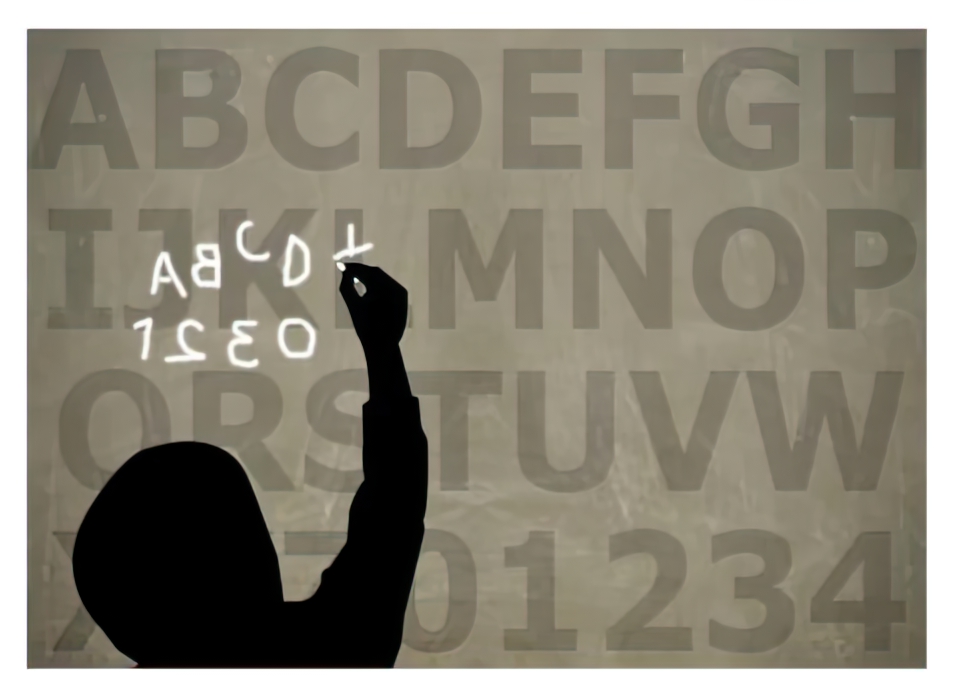
In early childhood, symptoms that correlate with a later diagnosis of dyslexia include delayed onset of speech and a lack of phonological awareness. A common myth closely associates dyslexia with mirror writing and reading letters or words backwards. These behaviors are seen in many children as they learn to read and write, and are not considered to be defining characteristics of dyslexia.
School-age children with dyslexia may exhibit signs of difficulty in identifying or generating rhyming words, or counting the number of syllables in words—both of which depend on phonological awareness. They may also show difficulty in segmenting words into individual sounds (such as sounding out the three sounds of k, a, and t in cat) or may struggle to blend sounds, indicating reduced phonemic awareness.
Difficulties with word retrieval or naming things is also associated with dyslexia. People with dyslexia are commonly poor spellers, a feature sometimes called dysorthographia or dysgraphia, which depends on the skill of orthographic coding.
Problems persist into adolescence and adulthood and may include difficulties with summarizing stories, memorization, reading aloud, or learning foreign languages. Adults with dyslexia can often read with good comprehension, though they tend to read more slowly than others without a learning difficulty and perform worse in spelling tests or when reading nonsense words—a measure of phonological awareness.
Hub AI
Dyslexia AI simulator
(@Dyslexia_simulator)
Dyslexia
Dyslexia, also known as word blindness, is a learning disability that affects either reading or writing. Different people are affected to different degrees. Problems may include difficulties in spelling words, reading quickly, writing words, "sounding out" words in the head, pronouncing words when reading aloud and understanding what one reads. Often these difficulties are first noticed at school. The difficulties are involuntary, and people with this disorder have a normal desire to learn. People with dyslexia have higher rates of attention deficit hyperactivity disorder (ADHD), developmental language disorders, and difficulties with numbers.
Dyslexia is believed to be caused by the interaction of genetic and environmental factors. Some cases run in families. Dyslexia that develops due to a traumatic brain injury, stroke, or dementia is sometimes called "acquired dyslexia" or alexia. The underlying mechanisms of dyslexia result from differences within the brain's language processing. Dyslexia is diagnosed through a series of tests of memory, vision, spelling, and reading skills. Dyslexia is separate from reading difficulties caused by hearing or vision problems or by insufficient teaching or opportunity to learn.
Treatment involves adjusting teaching methods to meet the person's needs. While not curing the underlying problem, it may decrease the degree or impact of symptoms. Treatments targeting vision are not effective. Dyslexia is the most common learning disability and occurs in all areas of the world. It affects 3–7% of the population; however, up to 20% of the general population may have some degree of symptoms. While dyslexia is more often diagnosed in boys, this is partly explained by a self-fulfilling referral bias among teachers and professionals. It has even been suggested that the condition affects men and women equally. Some believe that dyslexia is best considered as a different way of learning, with both benefits and downsides.
Dyslexia is divided into developmental and acquired forms. Acquired dyslexia occurs subsequent to neurological insult, such as traumatic brain injury or stroke. People with acquired dyslexia exhibit some of the signs or symptoms of the developmental disorder, but require different assessment strategies and treatment approaches. Pure alexia, also known as agnosic alexia or pure word blindness, is one form of alexia which makes up "the peripheral dyslexia" group.
In early childhood, symptoms that correlate with a later diagnosis of dyslexia include delayed onset of speech and a lack of phonological awareness. A common myth closely associates dyslexia with mirror writing and reading letters or words backwards. These behaviors are seen in many children as they learn to read and write, and are not considered to be defining characteristics of dyslexia.
School-age children with dyslexia may exhibit signs of difficulty in identifying or generating rhyming words, or counting the number of syllables in words—both of which depend on phonological awareness. They may also show difficulty in segmenting words into individual sounds (such as sounding out the three sounds of k, a, and t in cat) or may struggle to blend sounds, indicating reduced phonemic awareness.
Difficulties with word retrieval or naming things is also associated with dyslexia. People with dyslexia are commonly poor spellers, a feature sometimes called dysorthographia or dysgraphia, which depends on the skill of orthographic coding.
Problems persist into adolescence and adulthood and may include difficulties with summarizing stories, memorization, reading aloud, or learning foreign languages. Adults with dyslexia can often read with good comprehension, though they tend to read more slowly than others without a learning difficulty and perform worse in spelling tests or when reading nonsense words—a measure of phonological awareness.
Recent media