



Community hub
Recent from talks
Knowledge base stats:
Talk channels stats:
Members stats:
Economics of terrorism
The economics of terrorism is a branch of economics dedicated to the study of terrorism. It involves using the tools of economic analysis to analyse issues related to terrorism, such as the link between education, poverty and terrorism, the effect of macroeconomic conditions on the frequency and quality of terrorism, the economic costs of terrorism, and the economics of counter-terrorism. The field also extends to the political economy of terrorism, which seeks to answer questions on the effect of terrorism on voter preferences and party politics.
Research has extensively examined the relationship between economics and terrorism, but both scholars and policy makers have often struggled to reach a consensus on the role that economics plays in causing terrorism, and how exactly economic considerations could prove useful in understanding and combatting terrorism.
The study of terrorism economics dates back to a 1978 study by William Landes, who conducted research into what acted as effective deterrents for airplane hijackings. Looking at aircraft hijacking trends in the US between 1961 and 1976, Landes found that the reduction in the number of hijackings after 1972 was associated with the introduction of mandatory screening systems, the increased chance of apprehension and harsher criminal penalties. He forecasted that if mandatory screening was not in place, and if the probability of apprehension remained equal to its 1972 value, there would have been between 41 and 67 additional hijacking between 1973 and 1976.
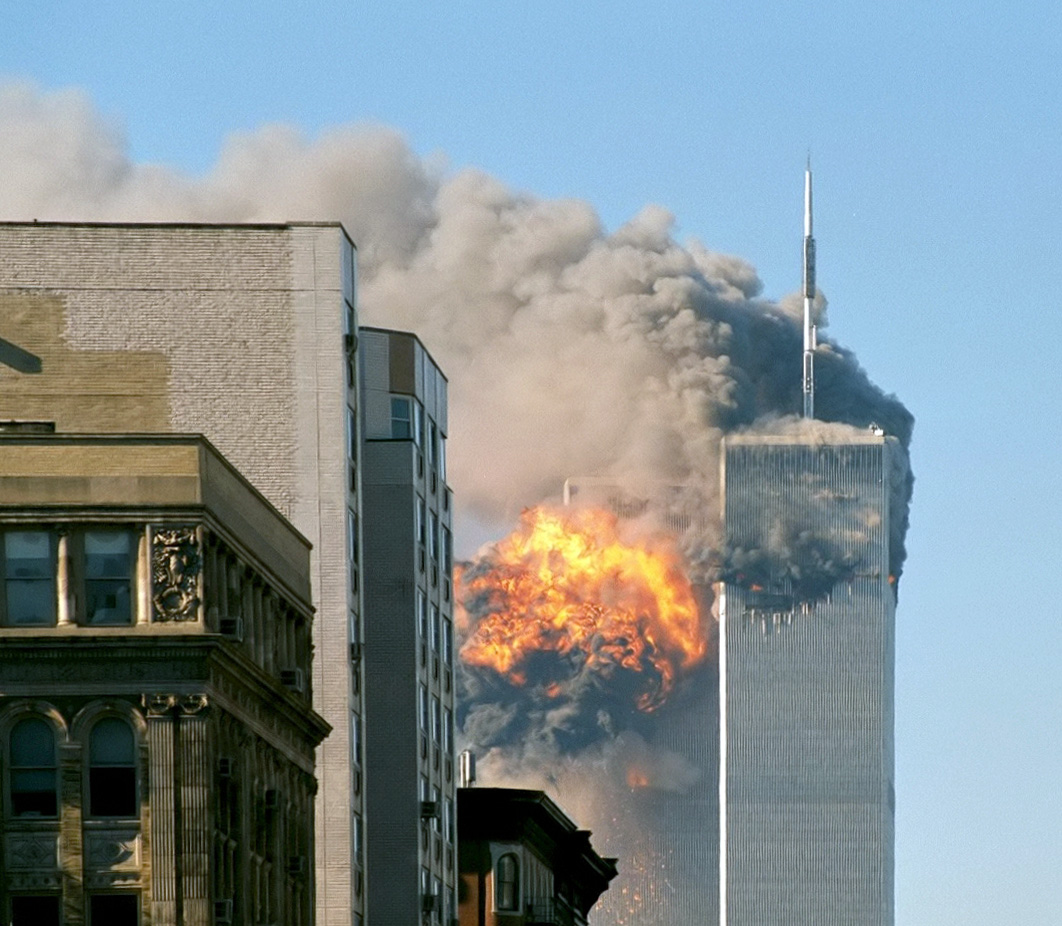
Since the attack on the World Trade Center, there have been many more empirical and theoretical contributions that have helped to expand the field. Notably, Alan Krueger and Jitka Maleckova published a paper in 2003 that demonstrated little relationship between poverty and terrorism, in contrast to the common wisdom following 9/11.
Scholars and politicians alike have struggled to agree on a universal definition of terrorism. Terrorism expert Jessica Stern asserts that "the student of terrorism is confronted with hundreds of definitions in the literature." However, over this period, scholars dedicated to the study of the economics of terrorism have converged to a standard definition that is frequently used for economic research. It is based on the definition employed by the US State Department, and is primarily used because it uses concrete language, and avoids phrases that create ambiguity in classification, like "often" and "especially."
"The term 'terrorism' means premeditated, politically motivated violence perpetrated against non-combatant targets by subnational groups or clandestine agents, usually intended to influence an audience."
— US Department of State (Title 22 of the US Code, Section 2656 (d))
For many years, the common wisdom was that poverty and ignorance (i.e. lack of education) was the root cause of terrorist activity. This opinion was once held by politicians across both sides of the aisle in the United States and leading international officials, including George W. Bush, Bill Clinton, Tony Blair, Shimon Peres, James Wolfensohn, Elie Wiesel, and terrorism expert Jessica Stern.
Hub AI
Economics of terrorism AI simulator
(@Economics of terrorism_simulator)
Economics of terrorism
The economics of terrorism is a branch of economics dedicated to the study of terrorism. It involves using the tools of economic analysis to analyse issues related to terrorism, such as the link between education, poverty and terrorism, the effect of macroeconomic conditions on the frequency and quality of terrorism, the economic costs of terrorism, and the economics of counter-terrorism. The field also extends to the political economy of terrorism, which seeks to answer questions on the effect of terrorism on voter preferences and party politics.
Research has extensively examined the relationship between economics and terrorism, but both scholars and policy makers have often struggled to reach a consensus on the role that economics plays in causing terrorism, and how exactly economic considerations could prove useful in understanding and combatting terrorism.
The study of terrorism economics dates back to a 1978 study by William Landes, who conducted research into what acted as effective deterrents for airplane hijackings. Looking at aircraft hijacking trends in the US between 1961 and 1976, Landes found that the reduction in the number of hijackings after 1972 was associated with the introduction of mandatory screening systems, the increased chance of apprehension and harsher criminal penalties. He forecasted that if mandatory screening was not in place, and if the probability of apprehension remained equal to its 1972 value, there would have been between 41 and 67 additional hijacking between 1973 and 1976.
Since the attack on the World Trade Center, there have been many more empirical and theoretical contributions that have helped to expand the field. Notably, Alan Krueger and Jitka Maleckova published a paper in 2003 that demonstrated little relationship between poverty and terrorism, in contrast to the common wisdom following 9/11.
Scholars and politicians alike have struggled to agree on a universal definition of terrorism. Terrorism expert Jessica Stern asserts that "the student of terrorism is confronted with hundreds of definitions in the literature." However, over this period, scholars dedicated to the study of the economics of terrorism have converged to a standard definition that is frequently used for economic research. It is based on the definition employed by the US State Department, and is primarily used because it uses concrete language, and avoids phrases that create ambiguity in classification, like "often" and "especially."
"The term 'terrorism' means premeditated, politically motivated violence perpetrated against non-combatant targets by subnational groups or clandestine agents, usually intended to influence an audience."
— US Department of State (Title 22 of the US Code, Section 2656 (d))
For many years, the common wisdom was that poverty and ignorance (i.e. lack of education) was the root cause of terrorist activity. This opinion was once held by politicians across both sides of the aisle in the United States and leading international officials, including George W. Bush, Bill Clinton, Tony Blair, Shimon Peres, James Wolfensohn, Elie Wiesel, and terrorism expert Jessica Stern.