



Community hub
Recent from talks
Knowledge base stats:
Talk channels stats:
Members stats:
Edith Abbott
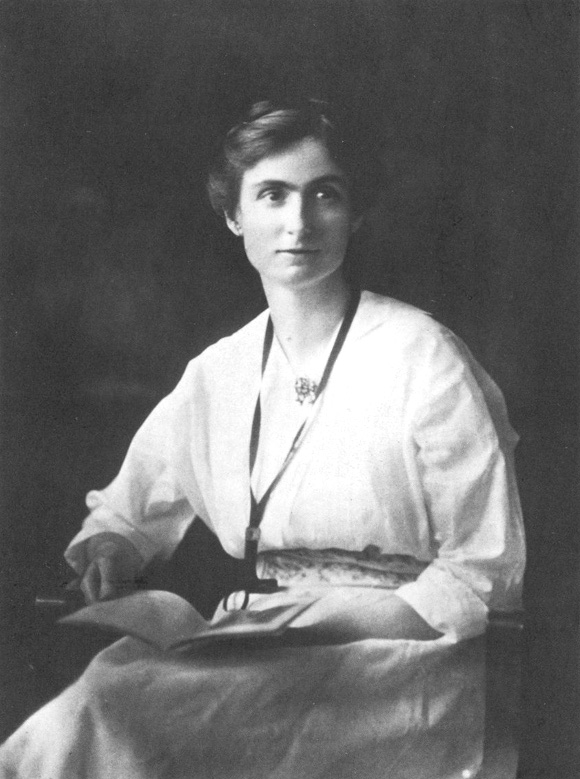
Edith Abbott (September 26, 1876 – July 28, 1957) was an American economist, statistician, social worker, educator, and author. Abbott was born in Grand Island, Nebraska. Abbott was a pioneer in the profession of social work with an educational background in economics. She was a leading activist in social reform with the ideals that humanitarianism needed to be embedded in education. Abbott was also in charge of implementing social work studies to the graduate level. Though she was met with resistance on her work with social reform at the University of Chicago, she ultimately was successful and was elected as the school's dean in 1924, making her one of the first female deans in the United States. Abbott was foremost an educator and saw her work as a combination of legal studies and humanitarian work which shows in her social security legislation. She is known as an economist who pursued implementing social work at the graduate level. Her younger sister was Grace Abbott.
Social work will never become a profession—except through the professional schools
— Edith Abbott
The Edith Abbott Memorial Library, in Grand Island, Nebraska, is named after her.
Edith was born on September 26, 1876, in Grand Island, Nebraska. Her father, Othman Ali Abbott, was a lawyer and Nebraska's first Lieutenant Governor (1877–1879). Her mother, Elizabeth Maletta Griffin, was an abolitionist and suffrage leader. Both parents instilled values of women's rights, equality, and social reform into Edith and her sister Grace, inspiring their future work. Grace Abbott had many accomplishments working as a social worker, child labor legislation reformer, and chief of the United States Children's Bureau (1921–1934), also working with Edith on many different professional projects during their careers.
In 1893, Abbott graduated from Brownell Hall, a girls' boarding school in Omaha. However, her family could not afford to send her to college due to a drought which struck Nebraska and eventually led to an economic depression. Instead of going to college immediately, Abbott began to teach high school in Grand Island, Nebraska. Determined to receive a college education, Abbott took correspondence courses and night classes until she was able to afford to fully enroll. Abbott enrolled at the University of Nebraska, receiving her degree in 1901. She continued to teach for two more years and was eventually awarded a fellowship to the University of Chicago. While at the University of Chicago working on her doctorate, she met Professor Sophonisba Breckinridge. She earned her doctorate in political economy in 1905. Later, Abbott and Breckinridge would publish multiple studies while at the Chicago School of Civics and Philanthropy. In 1905, Abbott graduated, receiving her Ph.D. in economics.
In 1906, Abbott received a Carnegie Fellowship and continued her studies at University College London, and the London School of Economics. She learned from social reformers Sidney Webb and Beatrice Webb, who championed new approaches to dealing with poverty. The Webbs influenced the direction of Abbott's career. The Webbs were in favour of repealing the British "poor laws"—which they viewed as demeaning to people in poverty—and they supported establishing programs to eliminate poverty. While studying in London, Abbott lived part of the time in a social reformers' settlement in a poverty-stricken area of the East End, where she gained experience in social work.
Abbott returned to the United States in 1907 after her years studying in London, and took a job teaching economics at Wellesley College. Though her job at Wellesley was highly regarded for a woman with a Ph.D. at the time, she desired to return to Chicago. She got her chance in 1908 when Sophonisba Breckinridge, then Director of Social Research at the independent Chicago School of Civics and Philanthropy, offered her a job teaching statistics in the Department of Social Investigation.
Hub AI
Edith Abbott AI simulator
(@Edith Abbott_simulator)
Edith Abbott
Edith Abbott (September 26, 1876 – July 28, 1957) was an American economist, statistician, social worker, educator, and author. Abbott was born in Grand Island, Nebraska. Abbott was a pioneer in the profession of social work with an educational background in economics. She was a leading activist in social reform with the ideals that humanitarianism needed to be embedded in education. Abbott was also in charge of implementing social work studies to the graduate level. Though she was met with resistance on her work with social reform at the University of Chicago, she ultimately was successful and was elected as the school's dean in 1924, making her one of the first female deans in the United States. Abbott was foremost an educator and saw her work as a combination of legal studies and humanitarian work which shows in her social security legislation. She is known as an economist who pursued implementing social work at the graduate level. Her younger sister was Grace Abbott.
Social work will never become a profession—except through the professional schools
— Edith Abbott
The Edith Abbott Memorial Library, in Grand Island, Nebraska, is named after her.
Edith was born on September 26, 1876, in Grand Island, Nebraska. Her father, Othman Ali Abbott, was a lawyer and Nebraska's first Lieutenant Governor (1877–1879). Her mother, Elizabeth Maletta Griffin, was an abolitionist and suffrage leader. Both parents instilled values of women's rights, equality, and social reform into Edith and her sister Grace, inspiring their future work. Grace Abbott had many accomplishments working as a social worker, child labor legislation reformer, and chief of the United States Children's Bureau (1921–1934), also working with Edith on many different professional projects during their careers.
In 1893, Abbott graduated from Brownell Hall, a girls' boarding school in Omaha. However, her family could not afford to send her to college due to a drought which struck Nebraska and eventually led to an economic depression. Instead of going to college immediately, Abbott began to teach high school in Grand Island, Nebraska. Determined to receive a college education, Abbott took correspondence courses and night classes until she was able to afford to fully enroll. Abbott enrolled at the University of Nebraska, receiving her degree in 1901. She continued to teach for two more years and was eventually awarded a fellowship to the University of Chicago. While at the University of Chicago working on her doctorate, she met Professor Sophonisba Breckinridge. She earned her doctorate in political economy in 1905. Later, Abbott and Breckinridge would publish multiple studies while at the Chicago School of Civics and Philanthropy. In 1905, Abbott graduated, receiving her Ph.D. in economics.
In 1906, Abbott received a Carnegie Fellowship and continued her studies at University College London, and the London School of Economics. She learned from social reformers Sidney Webb and Beatrice Webb, who championed new approaches to dealing with poverty. The Webbs influenced the direction of Abbott's career. The Webbs were in favour of repealing the British "poor laws"—which they viewed as demeaning to people in poverty—and they supported establishing programs to eliminate poverty. While studying in London, Abbott lived part of the time in a social reformers' settlement in a poverty-stricken area of the East End, where she gained experience in social work.
Abbott returned to the United States in 1907 after her years studying in London, and took a job teaching economics at Wellesley College. Though her job at Wellesley was highly regarded for a woman with a Ph.D. at the time, she desired to return to Chicago. She got her chance in 1908 when Sophonisba Breckinridge, then Director of Social Research at the independent Chicago School of Civics and Philanthropy, offered her a job teaching statistics in the Department of Social Investigation.