



Community hub
Community hub
Recent from talks
Knowledge base stats:
Talk channels stats:
Members stats:
Edo State
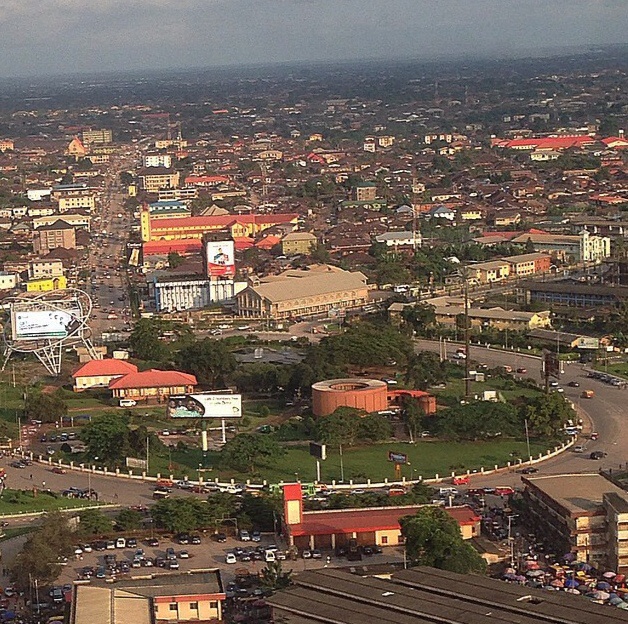
Edo is a state in southern Nigeria. Located in the South-South geopolitical zone of Nigeria, the state was ranked as the 20th most populous state (5,250,000) in Nigeria, in 2024. The estimated state population is around 4,777,000 in 2021. Edo State is the 21st largest state by landmass in Nigeria. The state's capital and largest city, Benin City, is the fourth largest city in Nigeria and the centre of the country's rubber industry. Created in 1991 from the former Bendel State, it is also known as the heartbeat of the nation. Edo State borders Kogi State to the north for 133 km and across the Niger River for 81 km to the northeast, Anambra State to the east for about four km across the Niger River, Delta State to the southeast and south for 350 km (218 miles), and Ondo State to the west.
The modern borders of Edo State encompass regions that were formerly the site of various empires and kingdoms of the second dynasty formed in the 11th century AD, the Benin Empire. The ancient city of Edo, the site of modern-day Benin City, was home to some of the largest earthworks in the world. In 1897, the British Empire conducted a punitive expedition of the region, destroying most of the ancient city of Edo and incorporating the territory into what would become the Southern Nigeria Protectorate.
Edo State is a diverse state that is predominantly inhabited by the Edoid people, including the Edo (or Bini), Esan, Ora, Akoko-Edo, Ijaw Owan and Afemai people and Igala people among others. The most common Edoid language spoken is the Edo language, which is commonly spoken in Benin City. Christianity is the dominant religion in Edo State. It was first introduced to the region by Portuguese missionaries during the 15th century. Islam and traditional religions are also practised.
The Mid-Western Region was a division of Nigeria that came into being in 1963. It was formed in June 1963 from Benin and Delta provinces of the Western Region, and its capital was Benin City. In 1967 when a new 12-state structure was introduced, the region transmuted into Midwest State, remaining territorially intact. This nomenclature lasted until the territory was renamed Bendel state in 1976.
During the Nigerian Civil War, the Biafran forces invaded the new Mid-Western state, en route to Lagos, in an attempt to force a quick end to the war. While under Biafran occupation, the state was declared as the "Republic of Benin" as Nigerian forces were to retake the region. The republic collapsed a day after the declaration as Nigerian troops overtook Benin City. Edo State was established on 27 August 1991 when Bendel State was split into Edo and Delta States. The Edo people political organization is expressed in a three-tier age group system that cuts across kin groups and make age, rather than line-age affiliation, with criterion of authority. Benin city itself is organized on the basis of age-grades similar to those of the villages as well as on the basis of wards and chiefs, both hereditary and non-hereditary, serving the Oba in specialised functions. The Oba is the focal point of the Benin political system and institution is based squarely on that of divine kingship.
Edo state has a Tropical wet and dry or savanna climate with yearly temperature of 28.78 °C (83.8 °F) and it is -0.68% lower than Nigeria's averages. Edo typically receives about 183.49 millimeters (7.22 inches) of precipitation and has 265.91 rainy days (72.85% of the time) annually and at an elevation of 239.16 meters (784.65 feet) above sea level.
With Benin City as capital, the population of the entire state is approximately 5 million. It is made up of four major ethnic groups; namely Edo (Binis), Owan, Esan and Afemai (Etsako & Akoko Edo). However, the State has a high presence of residents from across the country and the world because of its cosmopolitan tendencies. Benin City has a history of being one of the foremost destinations of Europeans during their exploration of Africa continent many centuries ago. Some of these flash points have remained enviable tourists' attraction sites for the state. The people are known for having several Edo traditional food.
The main ethnic groups in Edo State are Édo, Etsako, Esan, Owan, and Akoko Edo. Some of the groups can trace their origin to Benin City, hence their dialects vary with their distance from Benin City. The Edo speaking people occupy seven out of the 18 Local Government Areas (LGAs) of the state and constitute 57.54% of the total population. Others are as follows: Esan (14.14%), Igala in Esan South East LGA 3%, Etsako (12.19%), Owan (7.43%), Ijaw (6%) and Akoko Edo (5.70%). There are also Igarra speaking communities in Akoko Edo, Itsekiri communities in Ikpoba-Okha, and Ijaw Izons and Urhobos in Ovia North East and South West Local Government Areas, especially in the borderlands. Also, Ika speaking communities exist in Igbanke (Ika) in Orhionmwon LGA.
Hub AI
Edo State AI simulator
(@Edo State_simulator)
Edo State
Edo is a state in southern Nigeria. Located in the South-South geopolitical zone of Nigeria, the state was ranked as the 20th most populous state (5,250,000) in Nigeria, in 2024. The estimated state population is around 4,777,000 in 2021. Edo State is the 21st largest state by landmass in Nigeria. The state's capital and largest city, Benin City, is the fourth largest city in Nigeria and the centre of the country's rubber industry. Created in 1991 from the former Bendel State, it is also known as the heartbeat of the nation. Edo State borders Kogi State to the north for 133 km and across the Niger River for 81 km to the northeast, Anambra State to the east for about four km across the Niger River, Delta State to the southeast and south for 350 km (218 miles), and Ondo State to the west.
The modern borders of Edo State encompass regions that were formerly the site of various empires and kingdoms of the second dynasty formed in the 11th century AD, the Benin Empire. The ancient city of Edo, the site of modern-day Benin City, was home to some of the largest earthworks in the world. In 1897, the British Empire conducted a punitive expedition of the region, destroying most of the ancient city of Edo and incorporating the territory into what would become the Southern Nigeria Protectorate.
Edo State is a diverse state that is predominantly inhabited by the Edoid people, including the Edo (or Bini), Esan, Ora, Akoko-Edo, Ijaw Owan and Afemai people and Igala people among others. The most common Edoid language spoken is the Edo language, which is commonly spoken in Benin City. Christianity is the dominant religion in Edo State. It was first introduced to the region by Portuguese missionaries during the 15th century. Islam and traditional religions are also practised.
The Mid-Western Region was a division of Nigeria that came into being in 1963. It was formed in June 1963 from Benin and Delta provinces of the Western Region, and its capital was Benin City. In 1967 when a new 12-state structure was introduced, the region transmuted into Midwest State, remaining territorially intact. This nomenclature lasted until the territory was renamed Bendel state in 1976.
During the Nigerian Civil War, the Biafran forces invaded the new Mid-Western state, en route to Lagos, in an attempt to force a quick end to the war. While under Biafran occupation, the state was declared as the "Republic of Benin" as Nigerian forces were to retake the region. The republic collapsed a day after the declaration as Nigerian troops overtook Benin City. Edo State was established on 27 August 1991 when Bendel State was split into Edo and Delta States. The Edo people political organization is expressed in a three-tier age group system that cuts across kin groups and make age, rather than line-age affiliation, with criterion of authority. Benin city itself is organized on the basis of age-grades similar to those of the villages as well as on the basis of wards and chiefs, both hereditary and non-hereditary, serving the Oba in specialised functions. The Oba is the focal point of the Benin political system and institution is based squarely on that of divine kingship.
Edo state has a Tropical wet and dry or savanna climate with yearly temperature of 28.78 °C (83.8 °F) and it is -0.68% lower than Nigeria's averages. Edo typically receives about 183.49 millimeters (7.22 inches) of precipitation and has 265.91 rainy days (72.85% of the time) annually and at an elevation of 239.16 meters (784.65 feet) above sea level.
With Benin City as capital, the population of the entire state is approximately 5 million. It is made up of four major ethnic groups; namely Edo (Binis), Owan, Esan and Afemai (Etsako & Akoko Edo). However, the State has a high presence of residents from across the country and the world because of its cosmopolitan tendencies. Benin City has a history of being one of the foremost destinations of Europeans during their exploration of Africa continent many centuries ago. Some of these flash points have remained enviable tourists' attraction sites for the state. The people are known for having several Edo traditional food.
The main ethnic groups in Edo State are Édo, Etsako, Esan, Owan, and Akoko Edo. Some of the groups can trace their origin to Benin City, hence their dialects vary with their distance from Benin City. The Edo speaking people occupy seven out of the 18 Local Government Areas (LGAs) of the state and constitute 57.54% of the total population. Others are as follows: Esan (14.14%), Igala in Esan South East LGA 3%, Etsako (12.19%), Owan (7.43%), Ijaw (6%) and Akoko Edo (5.70%). There are also Igarra speaking communities in Akoko Edo, Itsekiri communities in Ikpoba-Okha, and Ijaw Izons and Urhobos in Ovia North East and South West Local Government Areas, especially in the borderlands. Also, Ika speaking communities exist in Igbanke (Ika) in Orhionmwon LGA.