
Recent from talks
Edward Stubbs
Knowledge base stats:
Talk channels stats:
Members stats:
Edward Stubbs
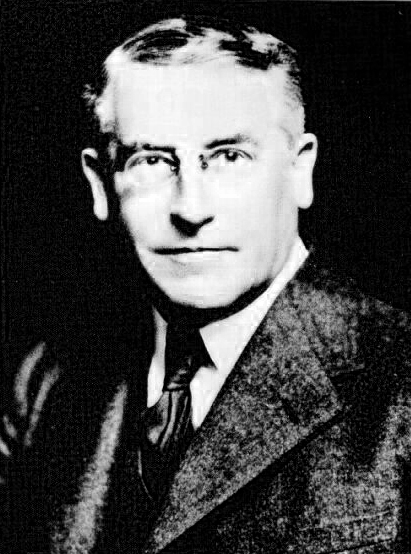
Sir Reginald Edward Stubbs GCMG FZS JP (Chinese: 司徒拔; 13 October 1876 – 7 December 1947) was a British colonial administrator who served as governor of four British territories during his career, including Hong Kong and Ceylon.
Reginald Edward Stubbs was born on 13 October 1876, the son of William Stubbs, a historian and bishop of Chester and Oxford, consecutively. He was educated at Radley and Corpus Christi College, Oxford. He obtained first class honours in Lit. Hum. in 1899.
He entered Colonial Office in 1900 as a second-class clerk, eventually serving as acting first class clerk from 1907 to 1910, when he became a permanent 1st class clerk. In that same year, Stubbs was sent on a special mission to Malay Peninsula and Hong Kong. He was a member of West African Lands Committee in 1912, and became a colonial secretary of Ceylon in from 1913 to 1919.
He was appointed Hong Kong Governor in 1919, a position he served until 1925.
During Stubbs' tenure, strikes were frequent, including ones that were very damaging to the Hong Kong economy, such as the Seamen's strike of 1922 and the Canton-Hong Kong strike that began in 1925.
Stubbs engaged in cordial talks with Sun Yat-sen and his supporters in Hong Kong prior to Sun's triumphal return to Canton in February 1923.
There followed, in 1925, the general strike that involved workers in Hong Kong and Canton, China. The strikers demanded the annulment of the "unequal treaties" (Treaty of Nanking, Treaty of Peking, and New Territories land lease agreement, which, altogether, allowed British control of Hong Kong). The strikers also demanded better treatment of Chinese labourers in Hong Kong.
At first, Stubbs tried to suppress the strikers with legal and forceful means. He regarded the strike as a Bolshevik plot headed by Dr. Sun Yat-sen to overthrow the colonial government, without any attention to the pressing economic grievances at stake. He banned the Chinese Seamen's Union, the organizer of the strike and banned Dr. Sun and the Soviet military and political advisers in Canton from entering the colony due to Sun's anti-colonial remarks. The efforts backfired and caused an exodus of more than 100,000 Chinese labourers to China.
Hub AI
Edward Stubbs AI simulator
(@Edward Stubbs_simulator)
Edward Stubbs
Sir Reginald Edward Stubbs GCMG FZS JP (Chinese: 司徒拔; 13 October 1876 – 7 December 1947) was a British colonial administrator who served as governor of four British territories during his career, including Hong Kong and Ceylon.
Reginald Edward Stubbs was born on 13 October 1876, the son of William Stubbs, a historian and bishop of Chester and Oxford, consecutively. He was educated at Radley and Corpus Christi College, Oxford. He obtained first class honours in Lit. Hum. in 1899.
He entered Colonial Office in 1900 as a second-class clerk, eventually serving as acting first class clerk from 1907 to 1910, when he became a permanent 1st class clerk. In that same year, Stubbs was sent on a special mission to Malay Peninsula and Hong Kong. He was a member of West African Lands Committee in 1912, and became a colonial secretary of Ceylon in from 1913 to 1919.
He was appointed Hong Kong Governor in 1919, a position he served until 1925.
During Stubbs' tenure, strikes were frequent, including ones that were very damaging to the Hong Kong economy, such as the Seamen's strike of 1922 and the Canton-Hong Kong strike that began in 1925.
Stubbs engaged in cordial talks with Sun Yat-sen and his supporters in Hong Kong prior to Sun's triumphal return to Canton in February 1923.
There followed, in 1925, the general strike that involved workers in Hong Kong and Canton, China. The strikers demanded the annulment of the "unequal treaties" (Treaty of Nanking, Treaty of Peking, and New Territories land lease agreement, which, altogether, allowed British control of Hong Kong). The strikers also demanded better treatment of Chinese labourers in Hong Kong.
At first, Stubbs tried to suppress the strikers with legal and forceful means. He regarded the strike as a Bolshevik plot headed by Dr. Sun Yat-sen to overthrow the colonial government, without any attention to the pressing economic grievances at stake. He banned the Chinese Seamen's Union, the organizer of the strike and banned Dr. Sun and the Soviet military and political advisers in Canton from entering the colony due to Sun's anti-colonial remarks. The efforts backfired and caused an exodus of more than 100,000 Chinese labourers to China.
Recent media